

The Zulu Kingdom beckons travelers with an irresistible blend of history, culture, and breathtaking landscapes. Steeped in centuries of tradition and valor, this region in KwaZulu-Natal offers more than just a destination—it provides an immersive journey into the heart of South Africa’s indigenous heritage. For those with a passion for cultural discovery, the Zulu Kingdom stands as a living museum where ancient customs meet the vibrancy of modern community life. Visitors can explore verdant landscapes, experience the rhythms of traditional music and dance, and witness rituals that have been preserved through generations.
What makes the Zulu Kingdom so alluring is its seamless integration of historical significance and natural beauty. Every village, kraal, and open plain tells a story of a people who have withstood the tests of time, war, and transformation. The legacy of renowned leaders and warriors, most notably King Shaka, has shaped not only the military strategies of the past but also the cultural identity that persists today. In a region where folklore intermingles with everyday life, travelers have the unique opportunity to observe traditional ceremonies, savor authentic cuisine, and engage with warm, welcoming communities. This immersive experience offers a rare glimpse into the spirit of a people whose pride, resilience, and artistry continue to inspire. Embark on this journey, and discover why the Zulu Kingdom is not just a historical site but a vibrant, living celebration of heritage and tradition.
Historical Background
The origins of the Zulu Kingdom trace back to a period of dynamic social and political transformation in southern Africa. Emerging as a small clan, the Zulu evolved under visionary leadership and relentless ambition. The rise of King Shaka in the early 19th century marked a pivotal turning point in the region’s history. Shaka’s innovative military tactics and disciplined regimental structure transformed the Zulu into a formidable force, capable of uniting disparate groups and defending against rival clans and colonial incursions. His emphasis on strategy, training, and strict hierarchy not only solidified the kingdom’s power but also redefined warfare in the region.
Under Shaka’s reign, the Zulu Kingdom expanded its territory and influence, instituting reforms that affected social organization and cultural practices. His legacy, though controversial in its militaristic dimensions, is revered for instilling a sense of pride and unity among the Zulu people. The kingdom’s history is replete with tales of bravery, sacrifice, and strategic ingenuity that echo through the generations. As colonial powers later sought to impose their own systems, the Zulu Kingdom stood as a resilient symbol of indigenous identity and resistance. Its influence can be seen in the continued celebration of warrior ethos and traditional customs that shape community life today. For travelers, this historical tapestry offers a profound insight into a society that has mastered the art of survival and cultural preservation amid external pressures and modern challenges.
Cultural Significance
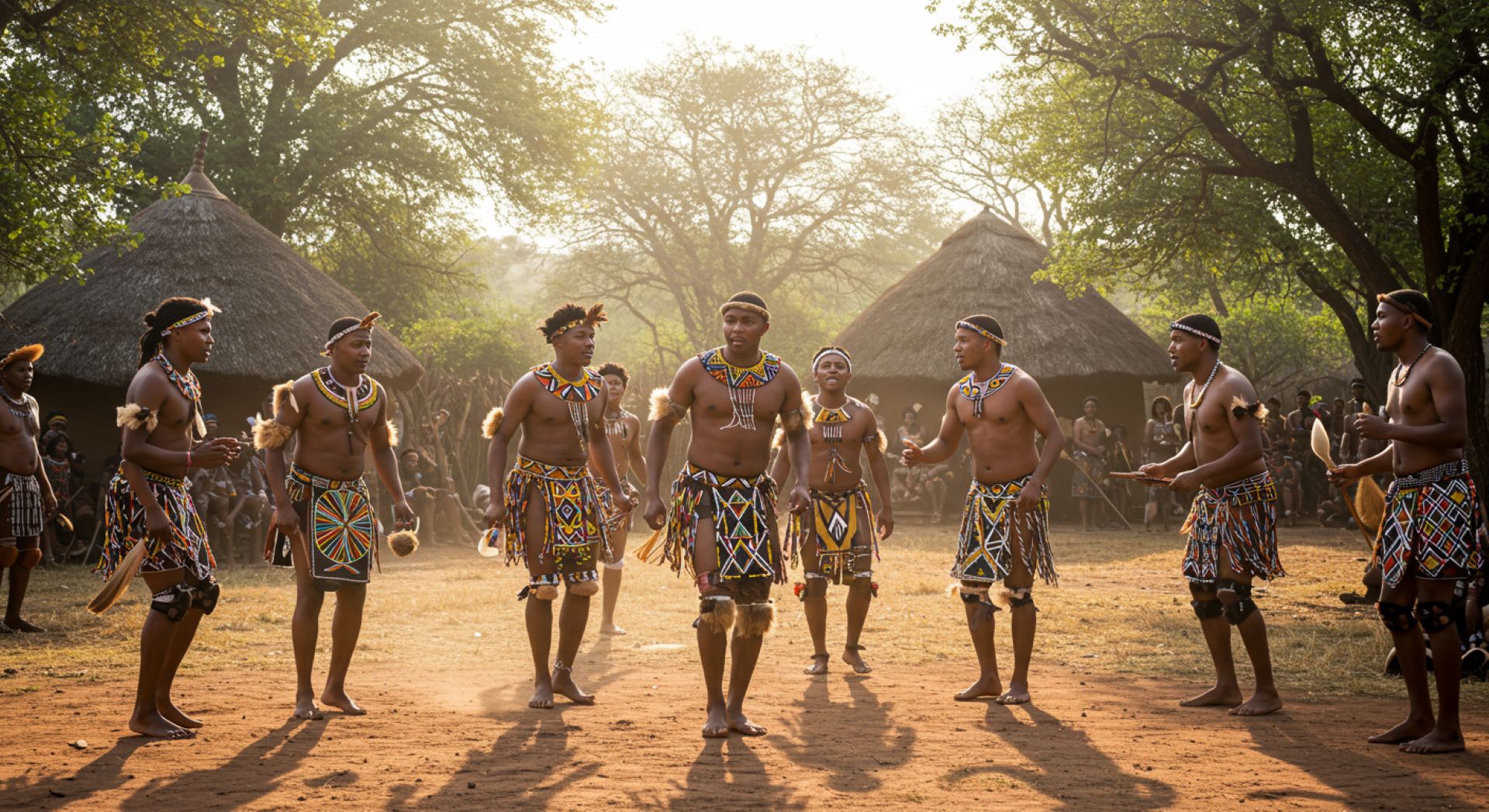
At the core of the Zulu Kingdom’s enduring appeal is its vibrant cultural heritage, which remains as dynamic today as it was in the days of ancient chieftains. Traditional music and dance are not merely performances but integral expressions of community identity and ancestral reverence. Drums, imbued with spiritual significance, set the tempo for ceremonies and celebrations that unite the people, while rhythmic dances narrate centuries-old stories of triumph and tribulation. The distinctive beadwork and intricate crafts, passed down through generations, serve as visual symbols of both personal identity and collective memory.
Cultural festivals and ceremonies, such as the celebrated Reed Dance, draw visitors into an authentic experience of communal life. These events offer a rare opportunity to witness the artistry and communal spirit of the Zulu people, showcasing a blend of ancient ritual and modern interpretation. Museums and cultural centers across KwaZulu-Natal curate exhibits that detail the evolution of the Zulu society—from the formation of the kingdom to its influential role in South African history. These institutions provide context to the enduring traditions, ensuring that the stories of valor, community, and resilience are not forgotten.
For the modern traveler, engaging with Zulu culture is an invitation to observe firsthand a living tradition. Whether it is through a local dance performance or an interactive craft workshop, the immersive experiences available allow visitors to appreciate the depth of Zulu heritage. This rich cultural landscape, layered with history and personal narratives, forms the backbone of the region’s identity and offers an enriching journey into a world where the past and present are inextricably linked.
Significant Landmarks
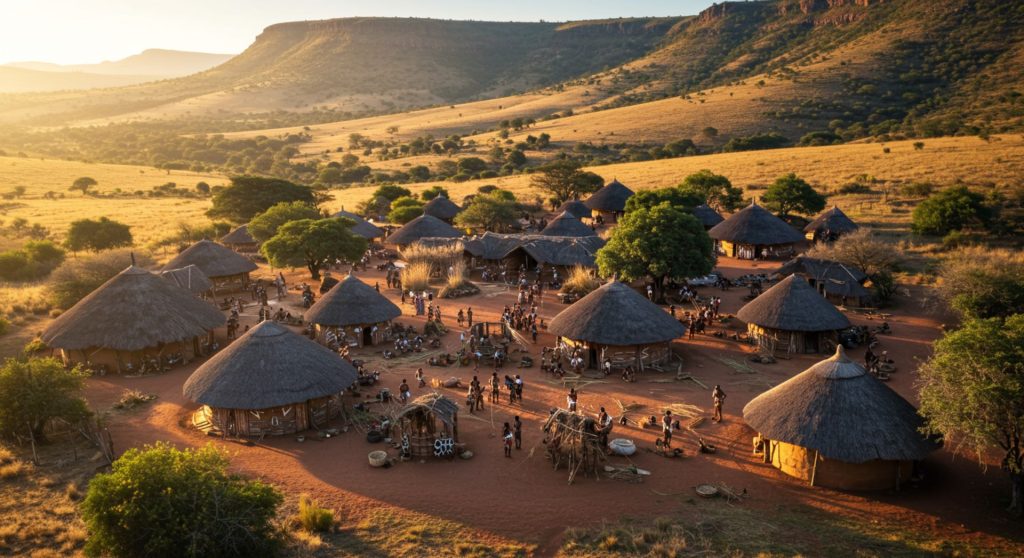
The Zulu Kingdom is dotted with landmarks that narrate its storied past and vibrant present, each offering travelers a window into the region’s historical and cultural evolution. One of the most iconic sites is the recreated royal kraal, where traditional structures and living history displays provide insight into the architectural styles and communal lifestyles that defined the kingdom. Visitors can wander through meticulously reconstructed homesteads and ceremonial grounds, where knowledgeable guides recount the rituals and daily practices that once animated the royal court.
Equally compelling are the historical battlefields scattered throughout the region. Sites such as those commemorating the battles of Isandlwana and Rorke’s Drift serve as somber reminders of the intense conflicts that shaped not only the fate of the Zulu Kingdom but also the broader narrative of South African history. These landmarks are preserved as memorials, inviting travelers to reflect on the cost of conflict and the resilience of a people determined to preserve their cultural identity in the face of adversity.
For those seeking a deeper immersion, cultural villages and heritage centers such as Shakaland offer interactive experiences. Here, visitors can witness reenactments of traditional military drills, learn about the intricate social structures of the kingdom, and even partake in workshops on beadwork and storytelling. Museums in the region further contextualize these experiences, housing artifacts that range from ancient weaponry to ceremonial regalia, each piece contributing to the rich mosaic of Zulu heritage.
Practical travel information is readily available at these landmarks. Many sites are accessible via well-maintained roads and are often accompanied by guided tours that explain the historical context in clear and engaging terms. Whether you choose to explore on your own or as part of an organized group, these landmarks are designed to be both educational and accessible. As you traverse the paths once walked by legendary warriors and revered elders, the layers of history unfold before you, inviting a reflective exploration of the legacy that continues to influence contemporary Zulu society.
Local Traditions and Customs
The traditions and customs of the Zulu people are as diverse as they are deeply rooted in history, offering travelers a rare glimpse into a living culture that celebrates community and continuity. Central to this vibrant tapestry is the emphasis on respect for ancestors—a cornerstone of Zulu belief that informs daily practices and communal rituals. Ancestral veneration is evident in the regular observance of ceremonies, where offerings and prayers are made to honor those who came before, reinforcing a bond between the past and present.
Among the most celebrated traditions is the annual Reed Dance, an event that symbolizes purity, unity, and the transition of young women into adulthood. This colorful ceremony not only serves as a rite of passage but also reinforces community values, as it is attended by local dignitaries and elders who share in the collective pride of cultural heritage. In addition to grand ceremonies, everyday practices such as storytelling, traditional medicine, and communal feasting play a crucial role in preserving customs that have been handed down through generations.
Travelers are encouraged to engage with these traditions respectfully. Observing a traditional dance performance, participating in a craft workshop, or simply conversing with local elders can provide invaluable insights into the Zulu worldview. Understanding local customs—such as the importance of greetings, the nuances of non-verbal communication, and the cultural significance of certain rituals—enhances the experience and fosters a deeper connection with the community.
The preservation of these customs is a testament to the resilience of the Zulu identity. In modern times, many community initiatives and cultural festivals are dedicated to sustaining traditional practices while welcoming contemporary influences. By engaging with local traditions, visitors not only enrich their travel experience but also contribute to the ongoing effort to honor and preserve a heritage that has shaped the very soul of the region.
Natural Beauty and Geography
The natural landscape of the Zulu Kingdom is as captivating as its cultural heritage, offering travelers a diverse array of sceneries that range from rugged highlands to lush coastal plains. The region’s geography is marked by rolling hills, expansive grasslands, and dramatic cliffs that provide a stunning backdrop to centuries-old traditions. This varied terrain not only enhances the aesthetic appeal but also supports a rich biodiversity that is celebrated in local lore and modern conservation efforts.
The coastal regions of KwaZulu-Natal, with their sandy beaches and turquoise waters, invite visitors to relax and unwind while also offering opportunities for water-based activities. Inland, the verdant valleys and meandering rivers create a picturesque setting for hiking, bird watching, and wildlife viewing. National parks and game reserves dot the landscape, providing sanctuary for a wide range of indigenous species. For nature enthusiasts, guided tours through these protected areas reveal a delicate balance between human activity and ecological preservation.
The dramatic escarpments and rocky outcrops in the region offer yet another dimension to the travel experience. These natural features have served as both strategic defensive positions in historical conflicts and as sources of inspiration for local legends and folklore. Many trails lead to scenic overlooks that afford panoramic views of the sprawling countryside—a reminder of the land’s enduring beauty and resilience. Outdoor activities, from trekking to photography, are popular among visitors, each offering a unique way to engage with the environment.
Efforts to preserve the natural heritage of the Zulu Kingdom are evident in community-led conservation projects and eco-tourism initiatives. These programs not only protect the environment but also empower local communities by creating sustainable tourism opportunities. As travelers traverse the diverse landscapes, they are invited to experience a harmonious blend of nature and culture—a reminder that the beauty of the Zulu Kingdom is not confined to its historical monuments, but extends to every hill, river, and sunset that paints the sky in brilliant hues.
Culinary Experience
A journey through the Zulu Kingdom is incomplete without sampling its distinctive culinary offerings, which reflect both the simplicity and richness of local traditions. Zulu cuisine is characterized by its earthy, robust flavors and a deep connection to the land. Traditional dishes are often prepared using locally sourced ingredients and time-honored cooking methods, resulting in meals that are both hearty and deeply satisfying.
One staple dish that embodies this culinary heritage is umngqusho—a savory blend of samp and beans that has sustained communities for generations. Equally popular are meals prepared over open flames in communal gatherings, where the art of shisanyama (barbecue) transforms a simple meal into a festive celebration. The flavors are further enhanced by the use of indigenous spices and locally grown produce, lending each dish a unique regional character.
Local eateries and roadside markets provide travelers with authentic dining experiences that go beyond the conventional. Whether it is a bustling market stall serving freshly cooked delicacies or a modest restaurant where recipes have been handed down through families, every meal tells a story of cultural pride and communal bonding. For those looking to experience Zulu hospitality at its finest, sharing a meal in a local home offers an intimate glimpse into daily life and tradition.
Practical Travel Tips
For travelers planning a journey to the Zulu Kingdom, a bit of preparation goes a long way in ensuring a smooth and enriching experience. The best time to visit is during the spring and early autumn months when the weather is pleasantly mild, and the natural landscapes are at their most vibrant. It is advisable to book accommodations well in advance, especially during local festivals and peak travel seasons, as the region can become quite busy.
Understanding and respecting local customs is essential for a meaningful visit. Simple greetings in the local language and an interest in learning about Zulu traditions can foster positive interactions with residents. When visiting cultural sites or rural communities, modest attire and a respectful demeanor are appreciated. Travelers should also be mindful of local health advisories and ensure that they have the appropriate vaccinations and travel insurance before embarking on their trip.
Transportation within KwaZulu-Natal is generally reliable, with well-maintained roads connecting major landmarks. Renting a car provides the flexibility to explore off-the-beaten-path sites, though guided tours are recommended for those wishing to gain deeper historical and cultural insights. Local tour operators are well-versed in the nuances of the region and can offer tailored itineraries that highlight both famous attractions and hidden gems. Finally, carrying local currency (the South African Rand) in small denominations is practical for transactions at markets and smaller establishments, ensuring a hassle-free travel experience.
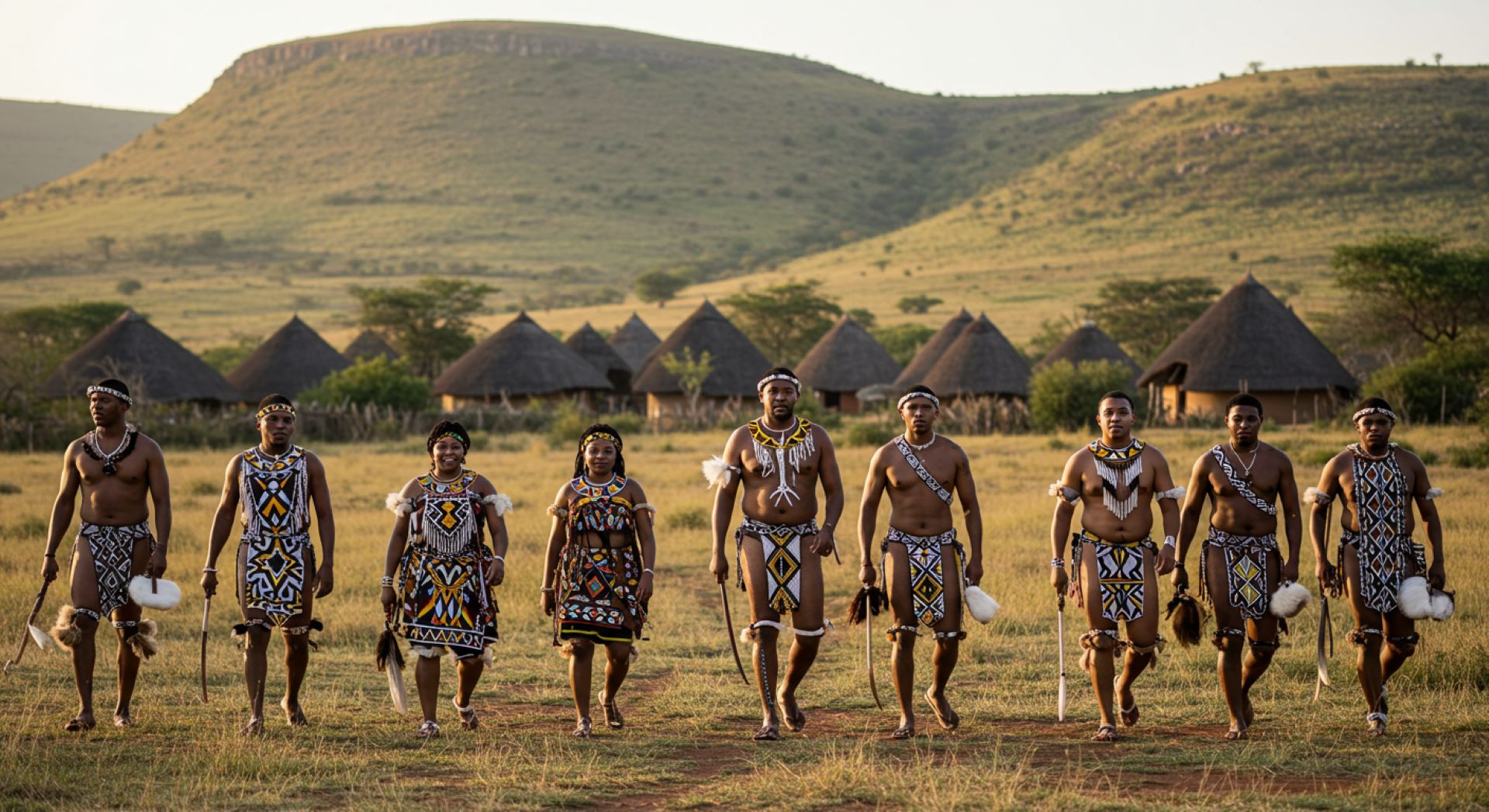
The Zulu Kingdom stands as a testament to the enduring power of tradition and the beauty of cultural heritage. From its storied past and the legacy of influential leaders to its vibrant festivals and breathtaking landscapes, the region offers travelers an enriching experience that transcends the ordinary. Each step through the villages, each taste of traditional cuisine, and each encounter with local customs invites visitors to witness the resilience and pride of a people deeply connected to their history.
In exploring the Zulu Kingdom, travelers are not merely observing history—they are becoming part of an ongoing narrative where every story, every ritual, and every shared smile underscores a living culture that thrives against the backdrop of a rapidly changing world. Whether you are drawn by the promise of historical insights, the allure of cultural celebrations, or the simple joy of immersing yourself in nature’s splendor, this region offers a uniquely rewarding journey. Embrace the opportunity to discover a world where heritage and modernity coexist in perfect harmony, and leave with memories that celebrate the human spirit and the timeless beauty of the Zulu Kingdom.
Elisha Roodt
Reporting from the frontlines of the South African tourism renaissance. Bridging the gap between regional stories and global audiences through elite narrative strategy.