

South Africa is renowned for its sweeping savannahs, rugged coastlines, and majestic mountains. Yet beneath its surface lies an often-overlooked dimension of natural beauty: the country’s caves and subterranean landscapes. From ancient archaeological sites to crystal-studded caverns, South Africa’s underground world offers a captivating journey into both natural history and human heritage. For adventurous travellers seeking mystery and wonder, these hidden realms are a testament to the country’s geological richness and cultural depth.
The Allure of the Underground
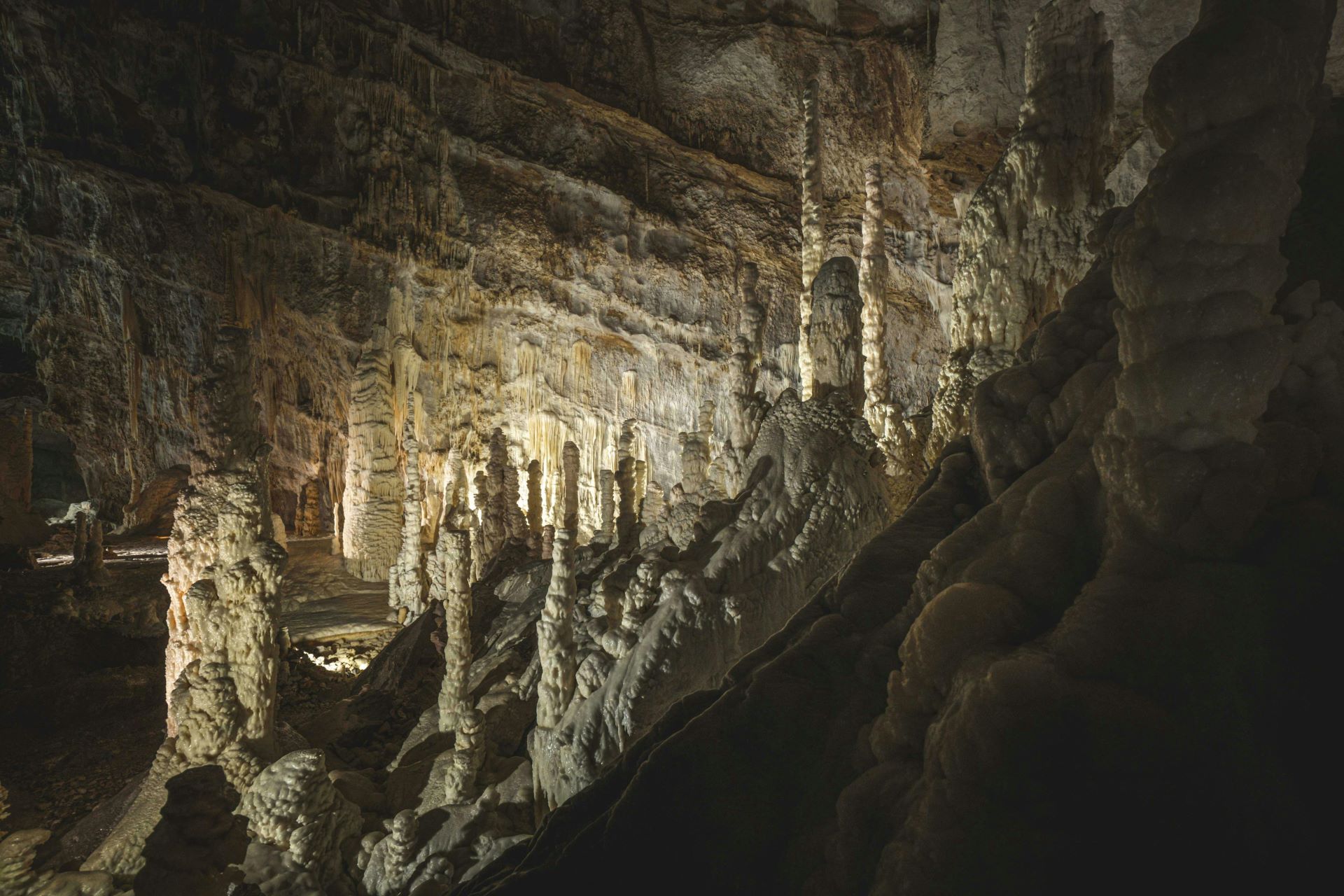
Caves have long captured the human imagination. Their darkened chambers, echoing passages, and intricate formations evoke curiosity and awe. In South Africa, the fascination is heightened by the unique combination of geological diversity and human history. The country’s karst landscapes, sculpted by millions of years of water erosion, have produced extensive limestone networks filled with stalactites, stalagmites, and rare mineral deposits. Beyond the visual spectacle, these spaces are archives of time, preserving fossils, rock art, and remnants of early human life.
Exploring these subterranean realms is more than a thrill—it is an intimate encounter with the natural and cultural evolution of southern Africa. Each cave is a living museum, silently narrating stories that span millennia.
Cradle of Humankind: Sterkfontein and Surrounding Caves
Perhaps no caves in South Africa are more globally significant than those in the Cradle of Humankind, a UNESCO World Heritage Site near Johannesburg. Sterkfontein, Swartkrans, and Kromdraai form part of this fossil-rich network, revealing some of the oldest hominid remains ever discovered. Walking through these caves is akin to stepping into prehistory. Fossils of Australopithecus and early Homo species sit alongside ancient stone tools, offering profound insights into our evolutionary journey.
Sterkfontein Caves, often referred to as the “Cradle of Mankind,” allow visitors to explore both the main chamber and the extensive network of tunnels where paleontologists have worked for decades. Guides, often experts in anthropology, share captivating narratives about each discovery, highlighting the painstaking process of excavation and preservation. Beyond the educational aspect, the caves’ sheer scale and subterranean beauty are mesmerizing, with high ceilings and intricate limestone formations that shimmer under carefully positioned lighting.
Swartkrans and Kromdraai, while less frequented, offer equally compelling experiences. The atmosphere in these caves is more intimate, allowing visitors to sense the rawness of the landscape and the ancient footsteps that echo through time. Visiting the Cradle of Humankind is a reminder of South Africa’s pivotal role in human history and its responsibility as a steward of these remarkable sites.
Natural Marvels: Cango Caves and the Garden Route
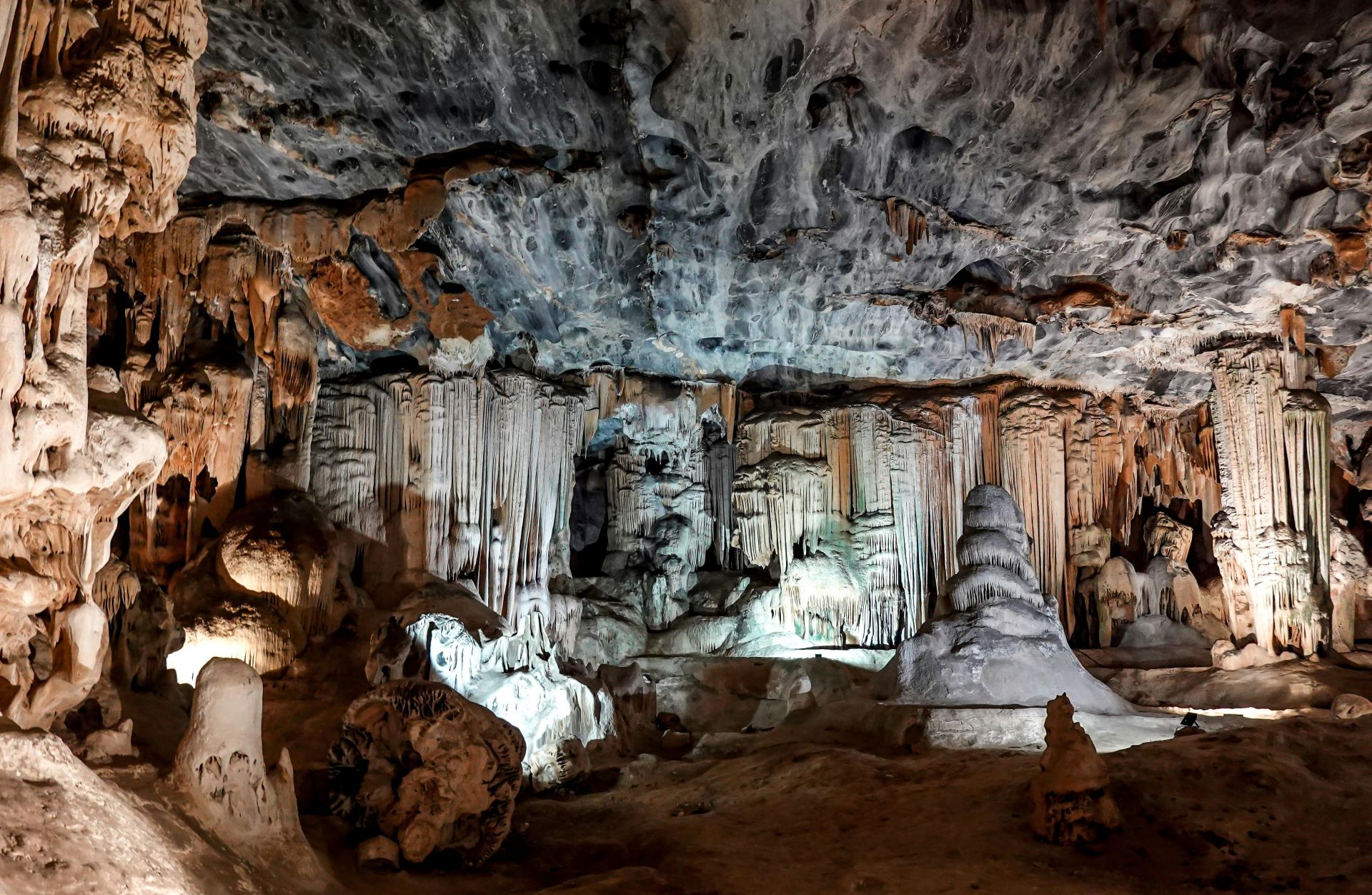
Moving southwards to the Western Cape, the Cango Caves near Oudtshoorn offer a contrasting spectacle: a labyrinth of monumental halls, towering stalagmites, and delicate stalactites. The limestone formations here are not only massive but intricately detailed, with some formations resembling gothic cathedrals, draped curtains, and even fantastical creatures.
Cango Caves are divided into two primary routes. The standard route provides a leisurely exploration suitable for families and casual visitors, highlighting the grandeur and scale of the formations. For the more adventurous, the heritage tour ventures into narrow passages and steep chambers, offering a physically engaging challenge and a sense of intimate discovery. Local guides recount both the geological history of the caves and folklore surrounding their discovery, adding layers of storytelling to the visual spectacle.
Oudtshoorn itself, famous for its ostrich farms, is enriched by the proximity of these caves. Combining a visit to Cango Caves with a tour of the surrounding Klein Karoo landscape provides travellers with a diverse immersion in both natural wonder and local culture.
Echoes of the Past: Wonderwerk Cave in the Northern Cape
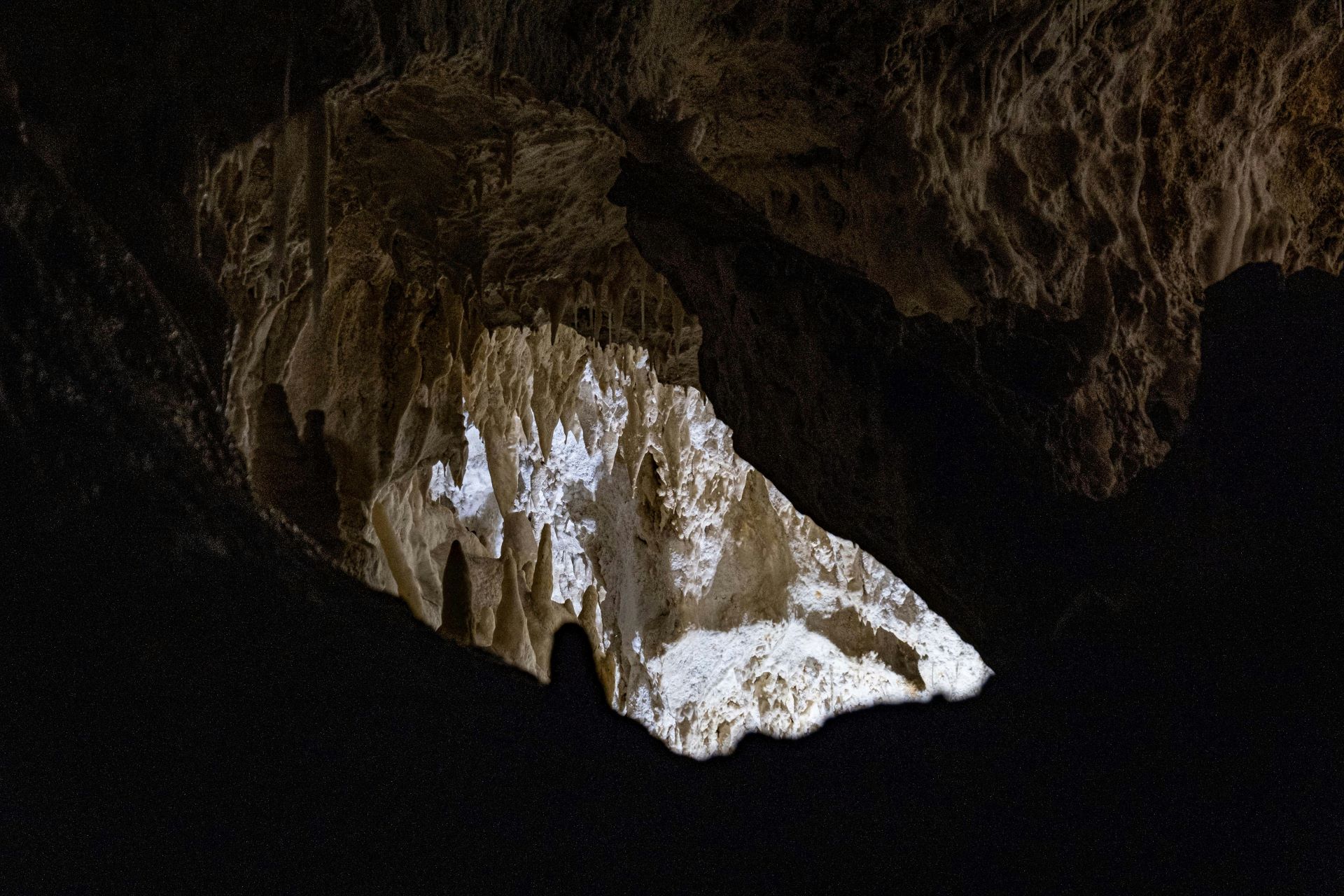
In the arid expanse of the Northern Cape lies Wonderwerk Cave, a remarkable archaeological site that offers a window into South Africa’s Stone Age past. Unlike the polished grandeur of Cango Caves, Wonderwerk’s charm lies in its historical significance rather than visual spectacle. Excavations here have unearthed artefacts dating back nearly two million years, including ancient hearths and stone tools.
Wonderwerk Cave demonstrates the ingenuity of early humans in adapting to their environment. The site’s stratigraphy—distinct layers of sediment accumulated over millennia—has provided scientists with unparalleled insight into climatic and environmental changes in the region. Visitors can witness the profound link between geology and anthropology, understanding how early humans used caves not just as shelters but as vital hubs for survival, social interaction, and technological development.
For history enthusiasts, a guided visit to Wonderwerk is a pilgrimage into the earliest chapters of human life in southern Africa, an experience both intellectually stimulating and deeply humbling.
Subterranean Beauty: Sudwala Caves in Mpumalanga
Further east, in the lush landscapes of Mpumalanga, the Sudwala Caves offer another dimension of underground exploration. These caves, formed over three billion years ago, are among the oldest known dolomite caves in the world. Sudwala’s chambers are rich with stalactites, stalagmites, and flowstone formations that create an almost otherworldly atmosphere.
The cave tours emphasize the dramatic natural features, such as the Cathedral Chamber, where vast ceilings and shimmering mineral deposits inspire awe. Beyond their aesthetic value, Sudwala Caves also hold cultural significance. Local legends tell of early human inhabitants and the use of caves as hideouts during conflicts, blending natural and historical narratives.
Sudwala also hosts events and musical performances, taking advantage of its exceptional acoustics. The experience of listening to live music in a prehistoric cave chamber is surreal, adding a contemporary cultural layer to an ancient setting.
Adventure and Speleology: Exploring the Untamed
For those seeking a more extreme encounter with South Africa’s underground realms, adventure caving—or speleology—offers a thrilling alternative. Regions such as the Drakensberg and the Magaliesberg boast lesser-known cave networks that require climbing, crawling, and technical expertise. These explorations are not for the faint-hearted but provide unparalleled access to raw, untouched chambers, underground rivers, and complex limestone formations.
Specialized tour operators provide guided experiences, combining rigorous safety protocols with intimate knowledge of the terrain. Adventure cavers often encounter unique geological phenomena, including rare mineral deposits and fossilized remains, along with the quiet thrill of solitude in spaces untouched by the general public. These experiences are a reminder that the underground world is not just a tourist attraction—it is a living, evolving environment deserving of respect and care.
Preserving the Subterranean Heritage
South Africa’s caves are fragile ecosystems. Human activity, pollution, and unregulated tourism can irreversibly damage formations and disturb archaeological sites. Conservation efforts are therefore critical. Many cave sites operate under strict visitor regulations, including limited group sizes, controlled lighting, and guided tours to prevent inadvertent harm.
Beyond formal conservation, these sites offer an opportunity to educate the public about geological and cultural preservation. Visiting responsibly—adhering to guidelines, refraining from touching delicate formations, and supporting local conservation initiatives—ensures that these underground wonders can be appreciated by generations to come.
Practical Tips for Travellers
Exploring South Africa’s caves requires preparation. Comfortable footwear, layered clothing, and headlamps for certain tours are essential. Seasonal variations can affect accessibility and the internal climate of caves, so checking with local guides in advance is advisable. Many caves are accompanied by informative visitor centres, offering background on geology, archaeology, and local culture, enhancing the experience beyond the visual spectacle.
Travel itineraries can also be enriched by pairing cave visits with surface attractions: hiking in the Drakensberg, wildlife safaris in Mpumalanga, or cultural tours in the Cradle of Humankind. This combination provides a holistic view of South Africa, both above and below ground.
The Lasting Appeal
South Africa’s caves and underground wonders are more than geological curiosities; they are portals into the past, arenas of adventure, and repositories of natural artistry. From the fossil-rich chambers of the Cradle of Humankind to the crystal grandeur of Cango and Sudwala Caves, these spaces offer travellers an intimate connection to the land’s history, both human and geological.
Each cave presents a unique narrative, a combination of visual splendor, scientific significance, and cultural storytelling. For visitors willing to venture below the surface, South Africa’s underground world is a realm of discovery, mystery, and profound wonder—a testament to the richness that lies hidden beneath the familiar landscapes above.
Elisha Roodt
Reporting from the frontlines of the South African tourism renaissance. Bridging the gap between regional stories and global audiences through elite narrative strategy.