

A Symbol of Majesty in the South African Wild
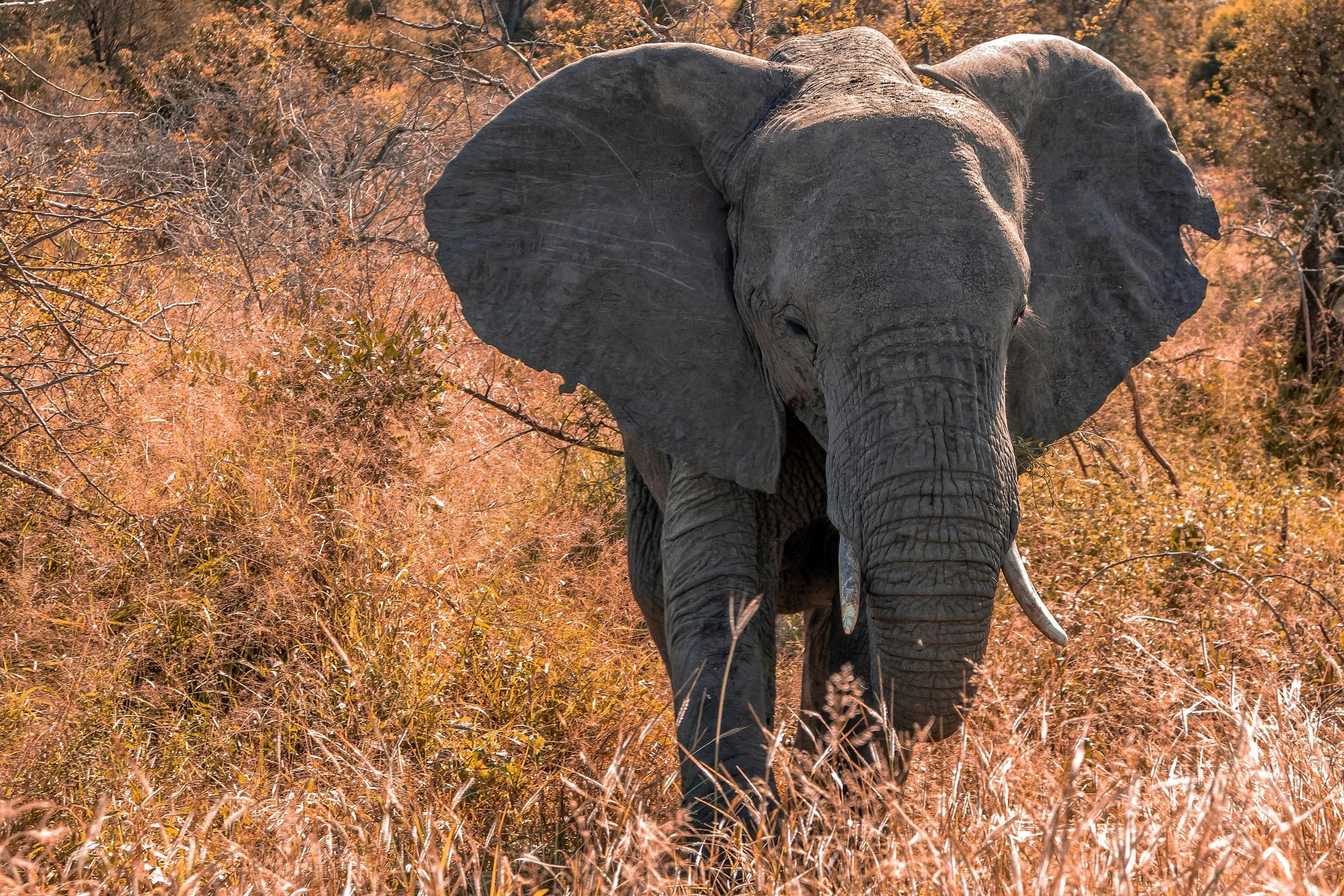
There is a moment—if you are fortunate—when the world seems to pause. The crunch of dry grass beneath massive feet, the faint rustle of ears flapping to cool an immense body, and the low, resonant rumble that is felt more than heard. It is in this moment that the true scale of South Africa’s elephants reveals itself. They are at once immense and surprisingly delicate, giants with the strength to uproot a tree but the gentleness to guide a newborn calf through a treacherous river crossing.
In South Africa, elephants are more than an attraction; they are symbols of heritage, endurance, and an ancient bond between humanity and nature. Yet in a country where wildlife tourism is both a lifeline for conservation and a multi-billion-rand industry, how we choose to encounter these animals matters deeply. Increasingly, travellers are recognising that the most memorable elephant experiences are those rooted in respect, protection, and an understanding of their complex place in the ecosystem.
Whether you are a first-time visitor to the African bush or a seasoned safari-goer, the allure of these magnificent creatures lies not only in their size but in the narratives that surround them—the stories of survival, social bonds, and the delicate balance between humans and wildlife. South Africa, with its diverse landscapes, progressive conservation programs, and network of private and public reserves, offers a unique setting to experience elephants in ways that are as ethical as they are unforgettable.
The Shift Towards Ethical Wildlife Tourism
For decades, elephant tourism in South Africa—like in many parts of the world—struggled with a moral dilemma. Early attractions often prioritised close human contact over animal welfare, with riding experiences, unnatural performances, or cramped enclosures forming the basis of an “up close” encounter. While such offerings drew crowds, they did so at the expense of the very creatures they purported to celebrate.
In recent years, however, the tide has turned. A global conversation about animal ethics, amplified by documentaries, conservation campaigns, and the voices of travellers themselves, has redefined what it means to have a meaningful wildlife experience. South Africa’s leading conservationists and ethical tourism operators have responded by creating sanctuaries, guided bush walks, and reserve-based safaris that allow visitors to witness elephants living as nature intended—roaming, foraging, socialising, and sometimes simply dozing under the midday sun.
The evolution of ethical tourism is part of a larger transformation in the way humans relate to wildlife. Travelers are increasingly seeking experiences that offer insight and connection rather than domination. The rewards are profound: observing an elephant making its way through the bush at its own pace, listening to the low hums that communicate between family members, or watching a calf cautiously test the water of a river—these moments offer a depth of understanding that no staged encounter can replicate.
Ethical tourism is not simply about avoiding harm; it is about actively contributing to the well-being of wildlife. In South Africa, the most reputable operators ensure that their activities support habitat preservation, contribute to anti-poaching efforts, and provide education for visitors that can have a ripple effect beyond the safari itself.
Understanding the Elephant’s Role in the South African Landscape
To appreciate why ethical encounters are so crucial, it’s worth understanding the vital role elephants play in South Africa’s ecosystems. Known as “ecosystem engineers,” elephants actively shape their environments. Their feeding habits can clear thick bush, allowing smaller species to thrive. By digging for water in dry riverbeds, they create access points that benefit countless other animals during the dry season.
Elephants also disperse seeds across vast distances. The fruit they consume passes through their digestive systems, often germinating in fertile locations far from the parent tree. In this way, elephants help maintain biodiversity, contributing to the regeneration of forests and the balance of savanna ecosystems. They are a keystone species; their presence affects almost every other species within their habitat, from insects to apex predators.
Yet this ecological influence is a double-edged sword. In areas where elephant populations are confined due to fencing and habitat loss, their impact can become overly concentrated, leading to vegetation loss and biodiversity imbalance. Ethical tourism often aligns with responsible population management—an intricate balance between conservation needs and ecological stability.
Understanding the ecological and social complexity of elephant herds adds an additional layer to a visitor’s experience. Observing a matriarch leading her herd through a corridor of acacia trees is not just a visual spectacle; it is an insight into millennia of evolutionary adaptation, social structure, and survival strategies. When travellers witness this, it fosters a deeper respect for both the animals and the land they inhabit.
National Parks: The Benchmark for Ethical Viewing
South Africa’s national parks remain the gold standard for observing elephants ethically. Kruger National Park, sprawling over nearly 20,000 square kilometres, is home to thousands of elephants living in vast, varied habitats. Visitors explore in guided open-top vehicles or self-drive along the park’s network of gravel and tar roads, maintaining safe distances while still enjoying breathtaking sightings.
Kruger is not only vast but meticulously managed. Rangers monitor elephant movements, herd compositions, and health conditions, sharing this knowledge with guides and conservation scientists alike. Viewing protocols are clear: no approaching breeding herds, no loud noises, and no attempts to force interaction. This framework ensures that elephants can roam and behave naturally, while visitors experience the thrill of observation in a manner that is both safe and responsible.
Other parks, such as Addo Elephant National Park in the Eastern Cape, provide equally rich opportunities. Addo’s story is a testament to the power of conservation; once home to just 11 elephants in the 1930s, the park now protects over 600 individuals, thanks to decades of careful management. Visitors to Addo often find themselves at waterholes at dawn or dusk, watching as elephants bathe, forage, or playfully splash young calves. These moments are spontaneous and authentic, and because the park is designed to minimise human interference, the elephants’ behaviour is never staged for the camera.
Even smaller parks, such as Pilanesberg National Park in the North West Province, offer quality encounters. Nestled within a volcanic crater, Pilanesberg provides varied terrain that encourages natural elephant activity. Visitors here may witness bulls sparring, matriarchs navigating tricky river crossings, or extended family units communicating in low rumbles—a nuanced symphony of social interaction.
National parks offer scale and diversity, but their ethical value lies in the structure of visitation. Rules, permits, and ranger oversight collectively create an environment where elephants retain autonomy, and tourists gain a rich, guilt-free experience.
Private Reserves and Intimate Safaris
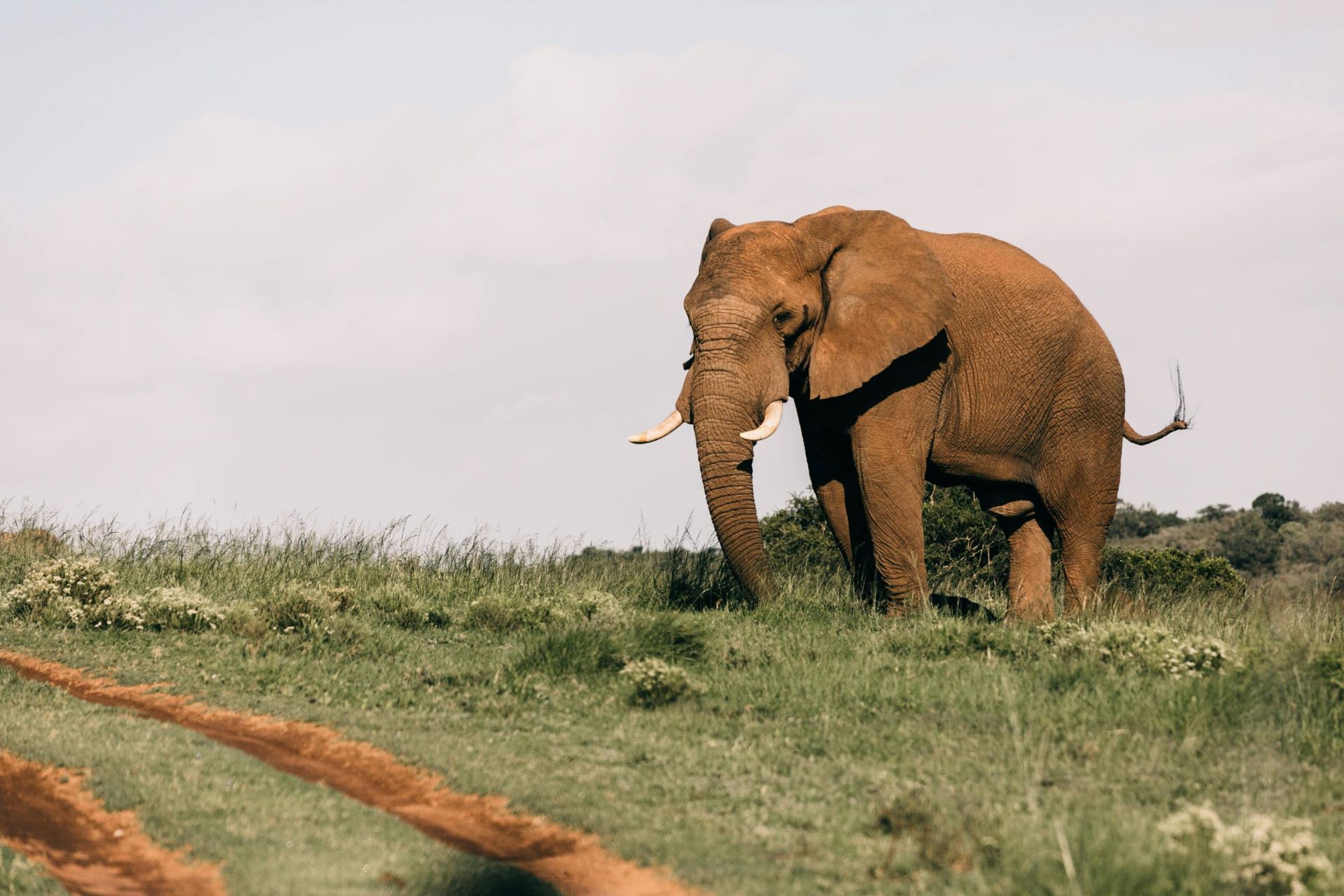
While national parks offer scale and variety, South Africa’s private reserves provide intimacy. Many are adjacent to larger parks, with unfenced boundaries that allow free movement of wildlife. Guided game drives and walking safaris are conducted in small groups, often led by highly trained rangers and trackers whose deep knowledge transforms each sighting into a story.
In places like Sabi Sands Game Reserve, Shamwari Private Game Reserve, and Kapama Game Reserve, travellers can follow the same elephant family over several days, observing the subtle dynamics of herd life. These reserves often limit the number of vehicles in a sighting area, ensuring that elephants do not experience stress from crowds.
Walking safaris are particularly special. Accompanied by a ranger who understands the elephants’ language of movement and scent, visitors gain an intimate understanding of the animals without ever imposing upon them. The quiet of the bush, punctuated by distant trumpets or the soft brush of grass against tusks, allows for moments of reflection that transcend ordinary tourism.
Private reserves also often integrate conservation research into their operations. Guests may be introduced to initiatives tracking elephant health, monitoring breeding success, or even supporting anti-poaching patrols. In doing so, a safari becomes more than a spectacle; it becomes a participatory act of stewardship.
Sanctuaries and Rehabilitation Centres: Safe Havens for Rescued Elephants
Beyond wild reserves, South Africa is home to sanctuaries caring for elephants rescued from harmful situations—circuses, logging operations, or neglect. Facilities such as The Elephant Sanctuary in Hartbeespoort, Knysna Elephant Park, and The Elephant Experience near Hazyview provide controlled but natural environments where elephants receive lifelong care.
These sanctuaries walk a delicate line between visitor engagement and the welfare of their residents. Ethical operators avoid exploitative activities like riding, instead focusing on guided walks alongside elephants, educational talks, and supervised feeding sessions that teach visitors about the animals’ biology, history, and individual personalities.
Many of these elephants have endured trauma, which can manifest in behavioural quirks or initial mistrust. Visitors learn to observe rather than touch, to appreciate personality rather than performance. This type of encounter, while less adrenaline-driven than traditional safaris, often leaves a more lasting emotional imprint.
Sanctuaries also serve an educational purpose for children and families. By seeing elephants up close without the veneer of entertainment, young visitors develop empathy and an understanding of the ethical responsibilities that come with wildlife tourism. It plants a seed of conservation-minded thinking that may shape future travel and consumer behaviour.
Cultural Context and Community Engagement
Elephants are not only biological marvels; they are integral to the cultural tapestry of South Africa. In many African traditions, elephants symbolize wisdom, memory, and leadership. Folktales, art, and music often portray elephants as wise guides or guardians of the land. Understanding this cultural dimension enriches any encounter, grounding the spectacle of wildlife in a narrative of heritage and respect.
Communities bordering reserves often live alongside elephants, negotiating the challenges of crop damage, property loss, and human-wildlife conflict. Progressive conservation initiatives aim to reconcile these tensions, offering compensation schemes, community tourism programs, and employment opportunities that benefit local people. When tourists choose operators that engage with these communities, their experience contributes to both conservation and socio-economic development.
This intersection of culture, ecology, and tourism reflects a holistic approach to ethical encounters: it is not only about observing elephants responsibly, but also about supporting the broader systems—ecological, social, and economic—that allow these animals to thrive.
Photography, Patience, and Presence
For many travellers, photography is an integral part of the experience. Yet ethical wildlife photography requires prioritising the subject over the shot. Telephoto lenses, patience, and safe distances allow for remarkable images without causing distress.
Beyond the lens lies the deeper experience of presence. Watching the choreography of a herd, the playful interactions of calves, or the careful guidance of a matriarch offers insights that photographs cannot fully capture. Ethical encounters encourage observation over intrusion, mindfulness over haste, and reverence over possession. In this context, time becomes a measure of engagement rather than consumption.
Traveller Responsibility: Making Ethical Choices
Ethical elephant encounters ultimately rely on informed choices. Travellers should research operators, understand viewing guidelines, and avoid experiences that involve riding, performances, or close human contact. Questions to consider include: Are elephants allowed to roam freely? Are interactions supervised and educational? Does the operator contribute to local conservation or community development?
Choosing ethically ensures that each experience supports conservation, rather than exploitation. It also signals market demand for responsible tourism, encouraging more operators to adopt best practices. Every trip, every booking, and every interaction can contribute to a sustainable future for South Africa’s elephants.
Planning Your Ethical Elephant Safari
Practical considerations enhance the ethical experience. Timing, transportation, and accommodation choices matter. Early morning or late afternoon drives are ideal, as elephants are more active and temperatures are cooler. Opting for eco-lodges and camps that prioritize sustainability and minimal ecological footprint ensures that your presence aligns with conservation values.
Respecting park rules, listening to ranger instructions, and limiting noise ensures that elephants retain autonomy. Small group sizes and minimal vehicle numbers reduce stress on wildlife, creating an environment where animals behave naturally and visitors gain authentic insights.
Additionally, supporting local guides, purchasing handicrafts, and contributing to community programs provides tangible benefits to people living alongside wildlife. Ethical tourism thus becomes a cycle: visitors learn and connect, communities benefit, and elephants remain protected.
Encountering the Giants on Their Terms
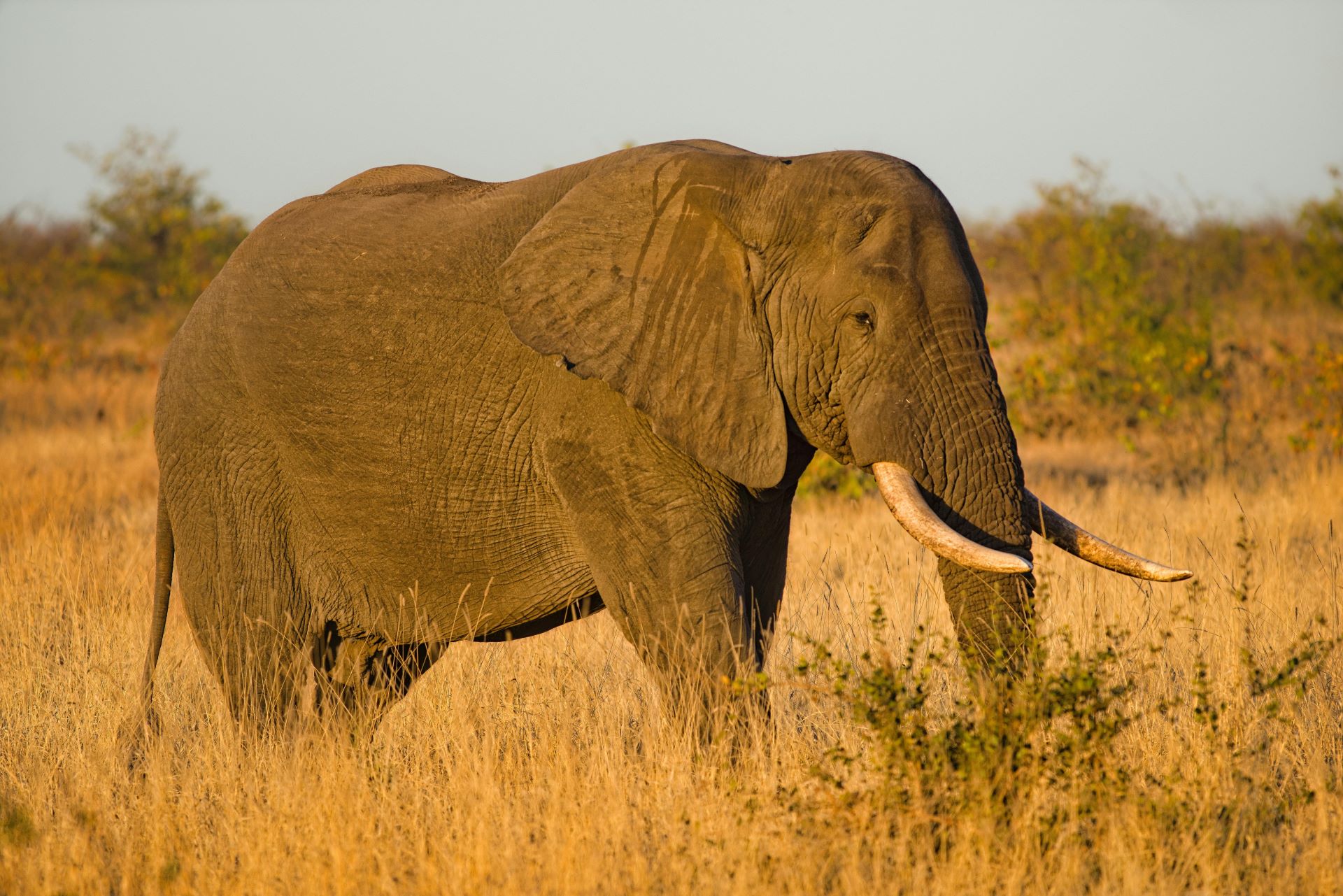
There is a profound difference between seeing an elephant and truly encountering one. The former may happen in an instant—a roadside glimpse before the animal disappears into the bush. The latter is slower, richer, and more meaningful. It is a mutual exchange of presence, conducted on the elephant’s terms.
South Africa offers a wealth of opportunities for these encounters. Whether in the sweeping plains of Kruger, the rolling hills of Addo, or the intimate spaces of a sanctuary, the most impactful experiences respect the autonomy and welfare of the animals. Travellers leave not only with memories but with a renewed understanding of the wild and their role in protecting it.
By making informed, ethical choices, visitors ensure that the next generation can also witness elephants in their full glory—roaming free, interacting naturally, and continuing to shape the landscapes and cultures of South Africa. These encounters are not simply tourism; they are acts of reverence, stewardship, and connection to one of the planet’s most extraordinary species.
Elisha Roodt
Reporting from the frontlines of the South African tourism renaissance. Bridging the gap between regional stories and global audiences through elite narrative strategy.