

Beyond the Ordinary Holiday
Family travel often brings to mind sandy beaches, sunny poolsides, and sightseeing checklists. While there’s joy in those simpler pleasures, there is another dimension to travelling with children that can turn a holiday into something transformative: educational travel. It’s a way of exploring where every day is filled not only with excitement and new discoveries, but with moments that expand young minds, strengthen family bonds, and create stories your children will tell long after they’ve grown up.
South Africa, with its rich tapestry of cultures, languages, landscapes, and wildlife, is an ideal setting for such journeys. Here, history is tangible, nature is raw and alive, and every corner of the country offers experiences that go beyond tourism — encouraging curiosity, empathy, and understanding. Whether you are tracking the Big Five in a national park, walking through centuries-old streets, or meeting local artisans, your family can step into living lessons in history, biology, geography, and cultural studies without ever opening a textbook.
This is a country where learning is experiential and immersive. And that’s the magic of educational travel: it allows you and your children to not just visit a place, but to live it.
The Concept of Educational Travel
Educational travel isn’t about forcing children into structured learning while on holiday — no blackboards or pop quizzes here. It’s about embracing opportunities to engage with the world in ways that naturally provoke curiosity and invite questions. Every activity, from tasting a new food to listening to a local storyteller, becomes a gateway to deeper understanding.
In South Africa, such opportunities come naturally. The country’s diversity means that lessons are embedded in its very fabric: the migration patterns of whales along the coast; the rock art of ancient San people in the Drakensberg mountains; the living history of Robben Island; the engineering feats behind the Table Mountain Cableway. When children witness these things firsthand, knowledge takes on meaning, and learning feels less like memorisation and more like adventure.
Wildlife Encounters – Nature as a Classroom
For many families, South Africa’s wildlife is the starting point — and for good reason. The country’s national parks and private game reserves are living laboratories of ecology and conservation.
Kruger National Park – The Big Five and Beyond
Kruger National Park is perhaps South Africa’s most iconic wildlife destination. Spanning nearly 20,000 square kilometres, it offers families the chance to witness elephants, lions, leopards, rhinos, and buffalo in their natural habitats. But beyond the thrill of spotting the Big Five, Kruger is an ideal space to learn about ecosystems, predator-prey relationships, and conservation challenges.
Guided drives often include ranger talks where children can learn about animal tracking, the role each species plays in the food chain, and the importance of preserving biodiversity. Many lodges offer junior ranger programmes, where kids can participate in short nature walks, learn how to identify bird calls, and discover the medicinal uses of local plants.
Marine Biology on the Coast
South Africa’s coastline is just as rich in wildlife. Hermanus, known as one of the world’s best whale-watching destinations, offers opportunities to see southern right whales breaching just metres from shore between June and November. Boat tours and coastal walks double as lessons in marine biology, with guides explaining migration patterns, breeding habits, and the impact of ocean currents on marine life.
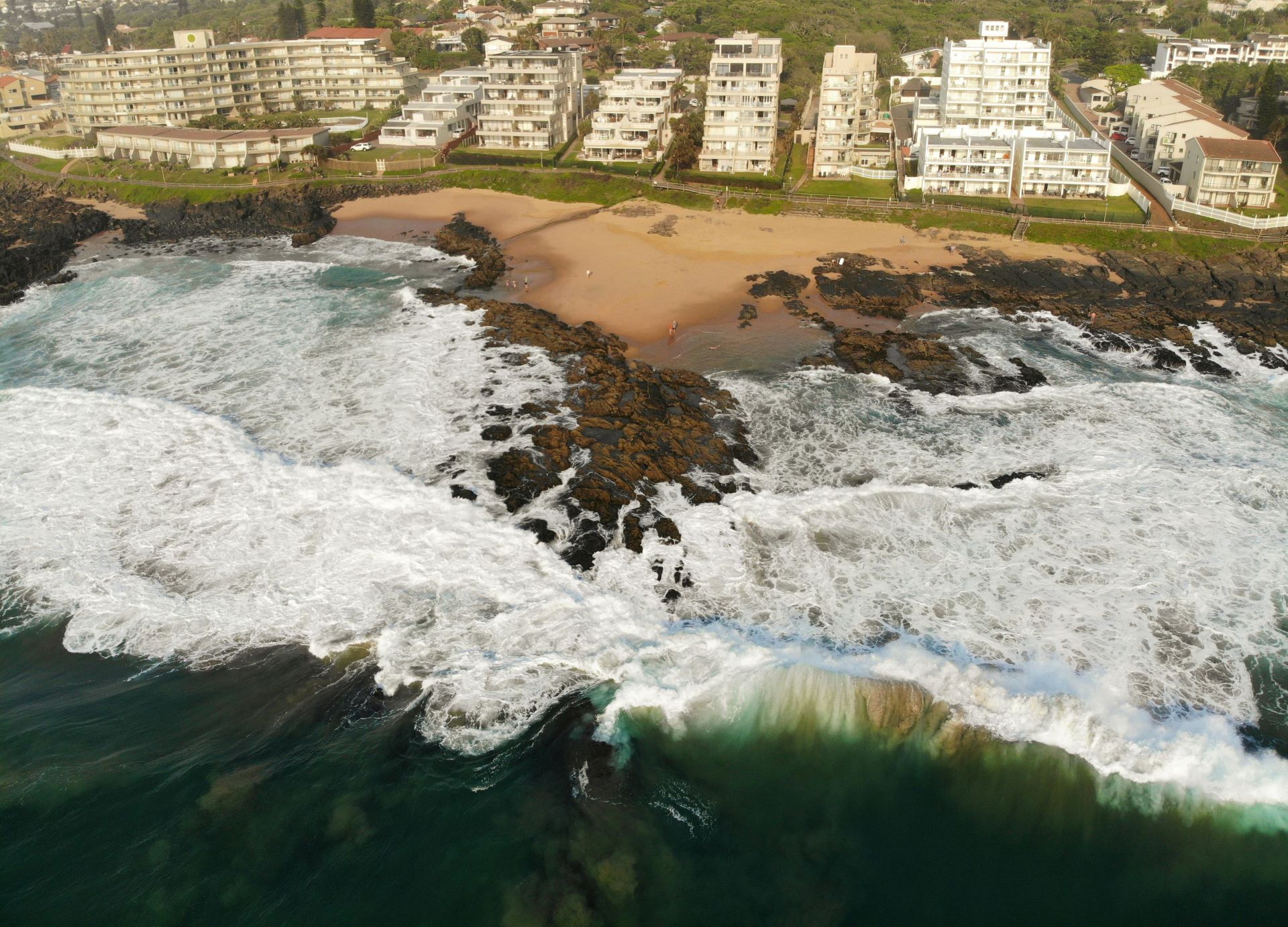
Along the Eastern Cape’s Wild Coast, children can explore tidal pools, studying starfish, anemones, and small fish up close. In places like uShaka Sea World in Durban, interactive marine exhibits can supplement these natural encounters with more structured learning.
Living History – Stepping into the Past
One of the most powerful aspects of educational travel in South Africa is the ability to walk through history. Here, the past is not confined to museum walls; it’s woven into landscapes, architecture, and the voices of local communities.
Robben Island – Lessons in Resilience and Justice
A visit to Robben Island, where Nelson Mandela spent 18 of his 27 years in prison, offers a profound history lesson. Former inmates often lead the tours, giving personal accounts that bring history to life in a way no textbook ever could. Children and teens gain an understanding of South Africa’s struggle for democracy, the injustices of apartheid, and the enduring power of forgiveness and resilience.
The Cradle of Humankind – Our Shared Origins
Just outside Johannesburg lies the Cradle of Humankind, a UNESCO World Heritage Site where some of the oldest hominid fossils have been discovered. At the Maropeng Visitor Centre, interactive exhibits walk visitors through the story of human evolution, while guided tours of the Sterkfontein Caves show the very place where groundbreaking discoveries were made. For children, it’s an eye-opening reminder that the story of humanity begins here, in Africa.
Cultural Immersion – Meeting South Africa’s People
Educational travel is as much about connecting with people as it is about seeing places. South Africa’s cultural diversity offers families countless ways to engage meaningfully with local communities.
Homestays and Cultural Villages
In KwaZulu-Natal, a visit to a traditional Zulu homestead can reveal the customs, crafts, and oral traditions of one of South Africa’s largest ethnic groups. Children can try beadwork, watch traditional dancing, or learn basic Zulu phrases. In the Eastern Cape, Xhosa cultural experiences introduce families to rural village life, storytelling, and traditional food preparation.
These immersive experiences foster cross-cultural understanding, showing children that there are many ways to live, think, and celebrate life.
Geography Lessons in Motion
From the jagged peaks of the Drakensberg Mountains to the red dunes of the Kalahari Desert, South Africa is a vast and varied classroom for geography lovers.
A hike in the Drakensberg is a lesson in geology, glaciation, and weather patterns. In the semi-arid Karoo, children can learn about adaptation and survival in harsh environments. The Garden Route, with its forests, lagoons, and cliffs, provides opportunities to talk about ecosystems, coastal erosion, and conservation.
Making it Fun – The Art of Disguised Learning
The most successful educational travel experiences weave learning seamlessly into play. Activities such as treasure hunts through historic towns, wildlife photography challenges, or cooking classes using local ingredients keep children engaged without them feeling they are in a “lesson.”
Cape Town’s V&A Waterfront, for instance, combines fun attractions with learning opportunities — from the Two Oceans Aquarium to historical walking tours of the harbour. Similarly, the Cango Caves near Oudtshoorn make geology fascinating through adventurous guided tours into their cavernous chambers.
Practical Tips for Planning
Blending inspiration with reality means thinking about timing, logistics, and pacing. The best educational trips balance structured activities with free time, allowing children to absorb what they’ve experienced without feeling rushed.
Seasonal considerations matter too: wildlife viewing is best in the dry winter months (May to September), while whale watching peaks from June to November. For cultural festivals, research local calendars — attending events like the Cape Town Minstrel Carnival or a Zulu Reed Dance can add an extra dimension to your trip.
Accommodation choices can also shape your experience. Staying in smaller, locally owned lodges or guesthouses often brings you closer to community life and gives you more opportunities for authentic interaction.

A Journey That Lasts a Lifetime
Educational travel in South Africa offers families the chance to experience the world in its rawest, richest forms — to be humbled by nature, moved by history, and inspired by human resilience. More than just a holiday, it’s an investment in your children’s understanding of the world and their place in it.
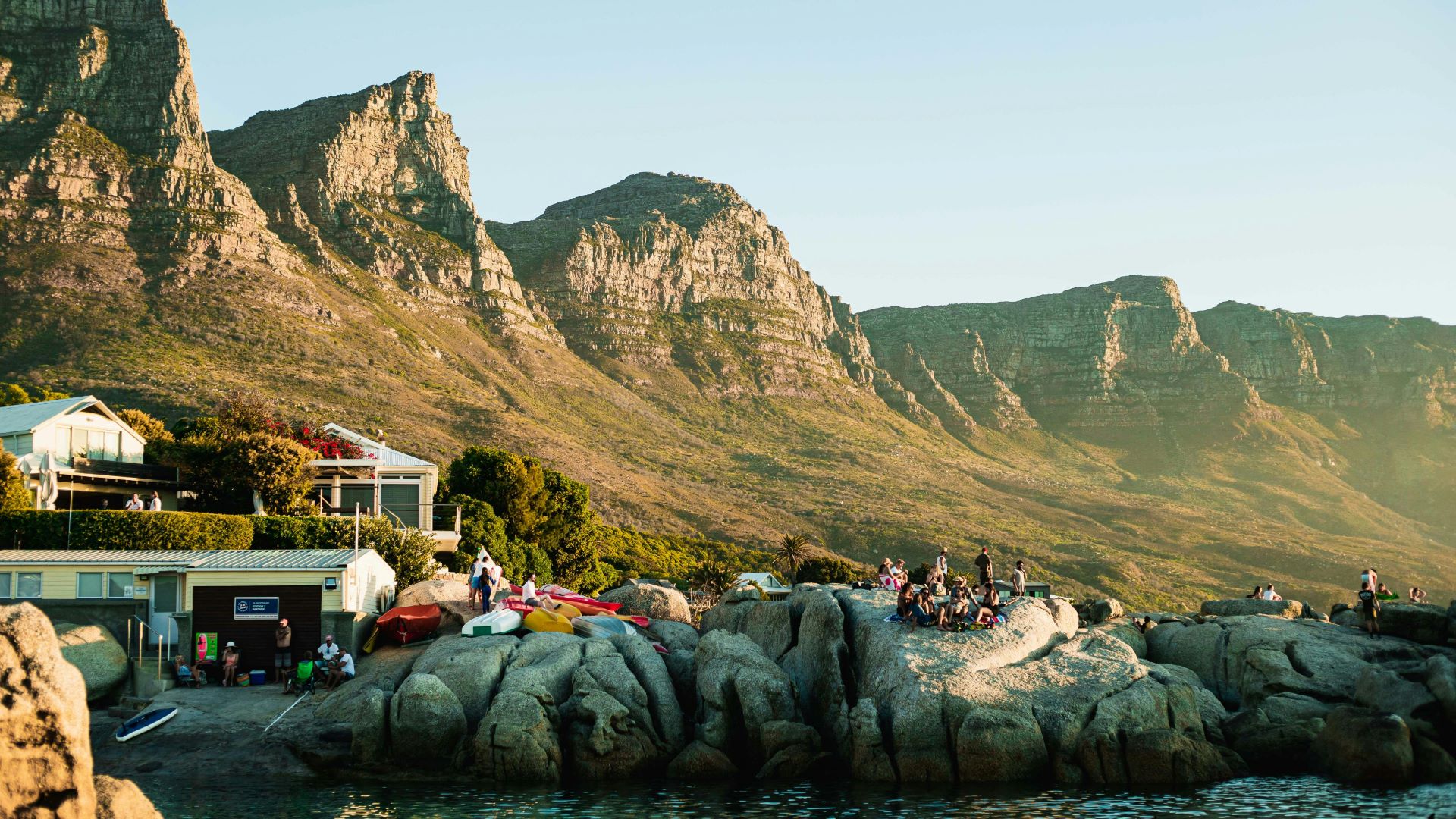
When your family returns home, the souvenirs will be more than trinkets or photographs; they will be the stories, insights, and perspectives gained along the way. And perhaps, years later, when your children are grown, they will remember standing in the shadow of Table Mountain, hearing the crash of the Atlantic, and realising — even if they couldn’t yet put it into words — that learning is everywhere, and the world is the greatest classroom of all.
Gerald Ferreira
Reporting from the frontlines of the South African tourism renaissance. Bridging the gap between regional stories and global audiences through elite narrative strategy.