

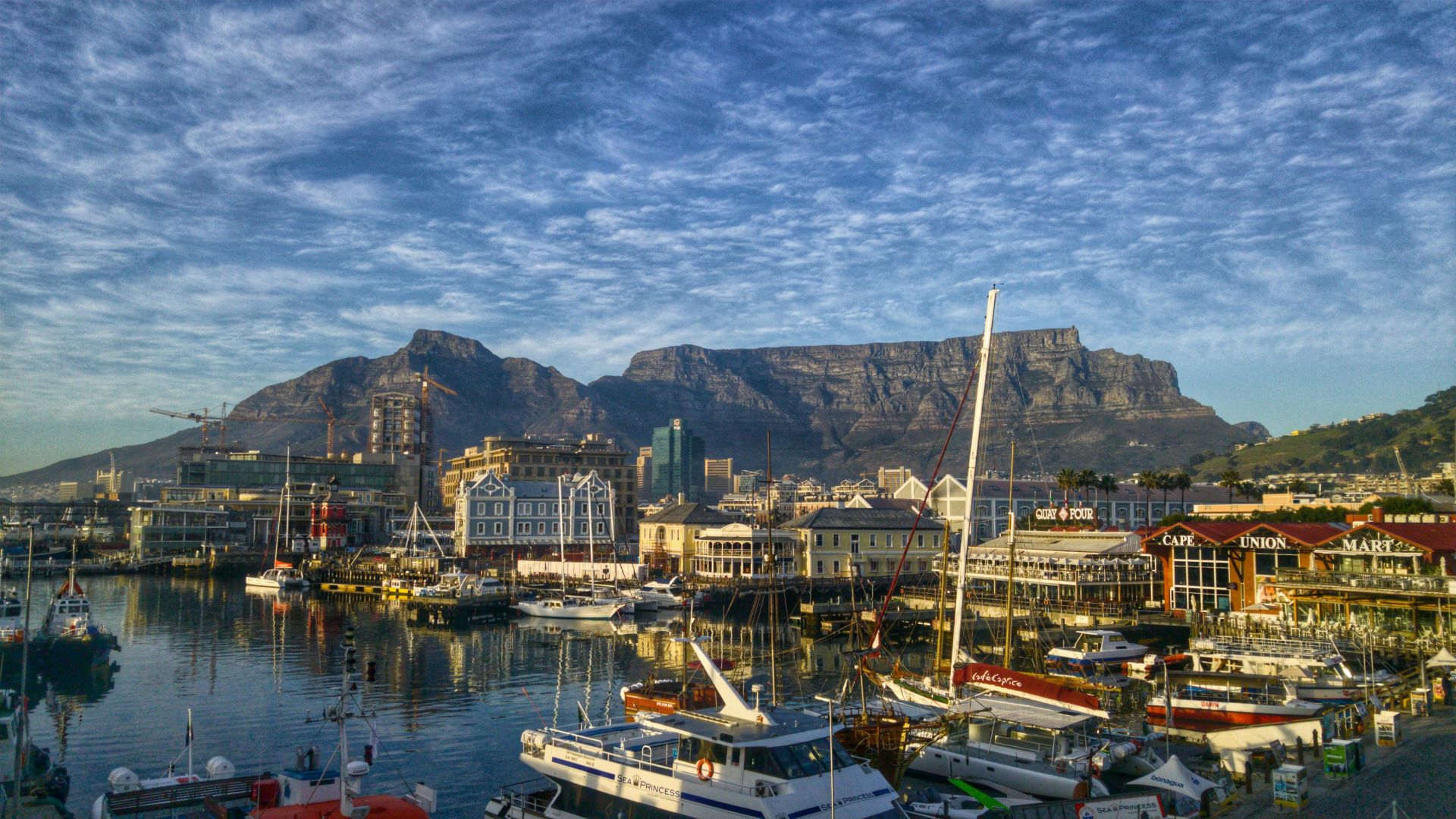
Cape Town is a city of contrasts. Towering Table Mountain casts its shadow over the bustling streets below, where the ocean laps at the edges of the city and colourful murals breathe life into quiet alleyways. Among these layers of culture, creativity, and natural beauty lies a thriving coffee scene that has evolved far beyond the standard café experience. For locals and travellers alike, exploring Cape Town through its coffee culture is not just about a caffeine fix—it’s a journey into artistry, community, and the city’s hidden corners. From specialty roasters to intimate laneway cafés, every cup tells a story of dedication, craft, and flavour.
The Origins of Coffee Culture in South Africa
South Africa has a long history with coffee, dating back to the Dutch East India Company in the 17th century. While tea once dominated colonial tables, coffee gradually seeped into local culture, cultivated first as a status symbol in elite households and later embraced by urban populations. By the late 20th century, instant coffee had become the norm, and cafés served as convenient spots for quick espresso shots rather than hubs of craft.
The turn of the millennium saw a dramatic shift. Global influences and a growing appreciation for artisanal experiences sparked a coffee revolution in Cape Town. Local roasters began sourcing high-quality beans directly from South African farms, experimenting with single-origin coffees and innovative brewing methods. This era marked the birth of specialty coffee in the city—an era defined by precision, sustainability, and an appreciation for the subtle complexities in every cup.
Specialty Coffee: A Craft Transformed
Specialty coffee is no longer just a trend—it is a commitment. In Cape Town, baristas are trained to the highest international standards, employing methods that highlight the unique characteristics of each bean. Pour-overs, siphons, AeroPress, and cold brews have replaced generic espresso machines, each technique offering a different taste profile and aroma.
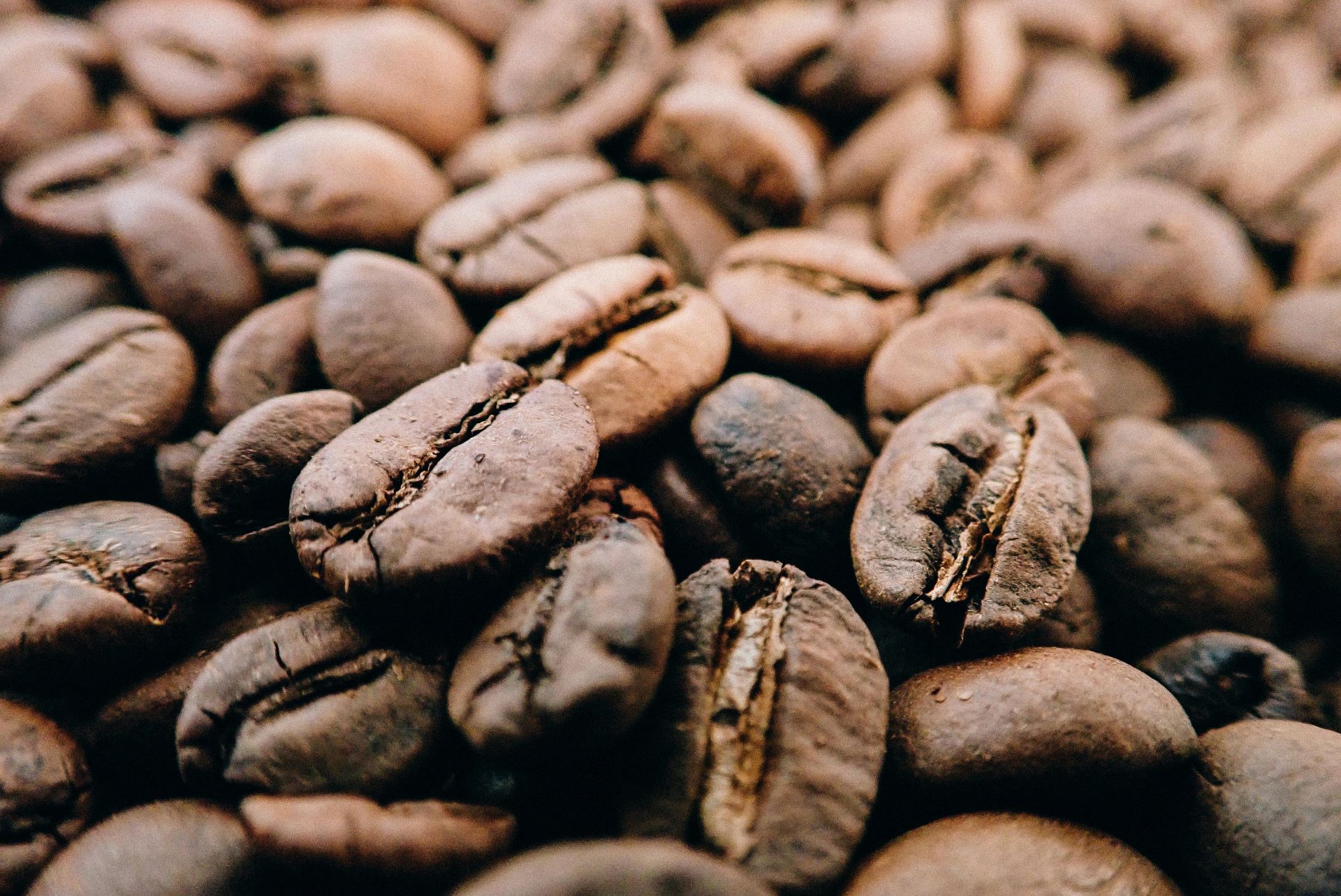
Local roasters focus on beans from South African farms, particularly the Western Cape, Mpumalanga, and KwaZulu-Natal. These beans, grown in diverse climates and altitudes, produce flavours ranging from nutty and chocolatey to bright and fruity, often carrying hints of bergamot, caramel, or citrus. This attention to detail ensures that each cup is not just a drink—it’s an experience, a microcosm of South Africa’s landscapes and soil, meticulously delivered to the diner’s palate.
Hidden Cafes: Where Discovery Becomes Part of the Experience
Part of the allure of Cape Town’s coffee culture lies in its hidden cafés. These are not always easy to find; they are tucked into laneways, courtyards, and converted warehouses, often overshadowed by the more prominent tourist hubs. Finding them feels like uncovering a secret, and the reward is a space brimming with authenticity.
In De Waterkant, narrow streets reveal minimalist cafés where sunlight filters through industrial windows, casting patterns on polished concrete floors. In Woodstock, a former industrial district now transformed into a creative hub, cafés occupy repurposed spaces that celebrate the city’s artistic roots. Here, you’ll find locally sourced pastries, hand-crafted furniture, and espresso that rivals the best European cafés. Each spot tells its own story—sometimes whispered through the music playing softly in the background, sometimes through the carefully curated décor or the barista’s dedication.
The Old Biscuit Mill in Woodstock is one such destination, blending artisanal coffee with craft markets and galleries. A morning coffee here is a multisensory experience: the smell of freshly ground beans mingles with the scent of baked goods, while the chatter of locals and tourists creates a vibrant rhythm. Similarly, Observatory, often referred to as “Obs” by locals, offers a bohemian charm where every café is unique. Students, artists, and creatives mingle over espresso and filter coffee, sharing ideas and inspiration.
Baristas as Local Artisans
In Cape Town, baristas are artists. Their role extends far beyond simply preparing coffee—they educate, inspire, and craft every cup as an individual creation. Watching a barista in action is akin to observing a painter: every movement is deliberate, every pour precise, and every cup a canvas.
Latte art has become an emblem of this culture, with intricate leaf patterns, hearts, and even 3D foam designs delighting patrons and making for perfect photo opportunities. But it’s more than aesthetics. Baristas in Cape Town often take their craft to the next level, offering tastings, coffee workshops, and origin stories for the beans. They introduce patrons to concepts like acidity, body, and terroir, transforming a simple cup of coffee into an educational experience.
Sustainability is also central to the city’s coffee ethos. Many cafés adopt zero-waste practices, partner with ethical bean suppliers, and encourage reusable cups. For locals and tourists alike, this adds a layer of intentionality to their coffee habit—a small but meaningful way to engage with Cape Town’s community-minded spirit.
Instagram-Worthy Spots and the Art of Ambience
Cape Town’s cafés are as visually stunning as they are delicious. From vintage furniture and rustic brickwork to tropical plants and bright murals, every corner is designed for both comfort and aesthetics. Establishments like Truth Coffee, with its steampunk-inspired interior, have become globally renowned, not just for the coffee but for the immersive environment.
Foxcroft in Constantia blends sophistication with approachable warmth, offering an interior that’s as photogenic as the perfectly layered cappuccinos. In addition to interiors, outdoor spaces often steal the show. Sunlit patios, leafy courtyards, and garden nooks provide serene escapes from the city’s bustle. Patrons linger, sip, and photograph their surroundings, capturing memories that go beyond social media—moments that connect them to Cape Town’s unique atmosphere.
Culinary Collaborations and South African Flavours
Cape Town’s coffee culture intersects seamlessly with the local culinary scene. Cafés often collaborate with nearby bakeries, chocolatiers, and farmers, ensuring that every bite and sip highlights South African ingredients and craftsmanship. Pastries may feature indigenous ingredients like rooibos, marula, or fynbos honey, while sandwiches and brunch offerings embrace seasonal, locally sourced produce.
This fusion of coffee and cuisine creates a multi-layered experience. For tourists, it’s an introduction to the country’s diverse flavours. For locals, it’s a daily reminder of Cape Town’s rich culinary and cultural heritage. Coffee here is never isolated—it is part of a larger sensory exploration of the city, one that celebrates both tradition and innovation.
Tourist Engagement: Coffee as a Cultural Lens
For visitors, Cape Town’s cafés offer more than coffee—they provide a lens through which to experience the city. Casual conversations with baristas and locals can reveal hidden alleys, street art, and cultural hotspots that guidebooks often overlook. A simple walk from café to café can transform into a curated journey of discovery, allowing tourists to experience the city as residents do.
Café tours have grown in popularity, with guides taking guests to the city’s most iconic and obscure coffee spots. These tours often include tastings, demonstrations, and storytelling sessions about coffee origins, roasting processes, and brewing techniques. The result is an immersive experience that combines gastronomy, education, and tourism seamlessly.
Events, Festivals, and Coffee Community
Cape Town’s coffee culture is bolstered by events and festivals celebrating everything from specialty beans to latte art competitions. The Cape Town Coffee Festival, for instance, attracts baristas, roasters, and enthusiasts from across the country and beyond, creating a space for learning, collaboration, and showcasing innovation.
Pop-up cafés and seasonal events also add to the vibrancy of the city. Rooftop coffee mornings, market collaborations, and interactive tasting sessions foster community and invite both locals and tourists to participate. These events emphasize the social aspect of coffee, highlighting its role as a connector and a platform for cultural exchange.

Coffee as a Portal to Cape Town
Cape Town’s coffee culture is a reflection of the city itself—diverse, creative, and deeply rooted in community. From hidden laneways to specialty roasters, every cup offers a story, every café a unique encounter. The city’s baristas are more than artisans; they are storytellers, educators, and curators of experiences that go beyond the beverage.
For tourists, exploring Cape Town through its coffee scene offers a deeper understanding of local life, creativity, and culture. For locals, it is a ritual, a moment of pause, and a connection to a broader community. And for the city as a whole, it represents a blend of history, innovation, and artistry—a symbol of Cape Town’s enduring charm and vibrancy.
Whether you’re sipping a silky flat white in De Waterkant, enjoying a nitro cold brew in Woodstock, or capturing latte art at an Instagram-worthy café in Green Point, Cape Town invites you to savour not just coffee, but a culture, a lifestyle, and a story unique to South Africa’s Mother City.
Elisha Roodt
Reporting from the frontlines of the South African tourism renaissance. Bridging the gap between regional stories and global audiences through elite narrative strategy.