

In South Africa, jazz is more than just a genre—it is a ledger of history, resistance, identity, and innovation. From the bustling vibrancy of Sophiatown in the 1930s–50s, through the exile years under apartheid, to the cosmopolitan beat of Cape Town’s clubs today, the evolution of South African jazz reflects social upheaval, cross-cultural dialogue, and the resilience of creative expression. This article traces that journey: mapping how township rhythms, colonial legacies, creole traditions and foreign influences intertwined to birth Cape Jazz, and how today’s artists keep that flame alive in Cape Town’s intimate venues and grand stages.
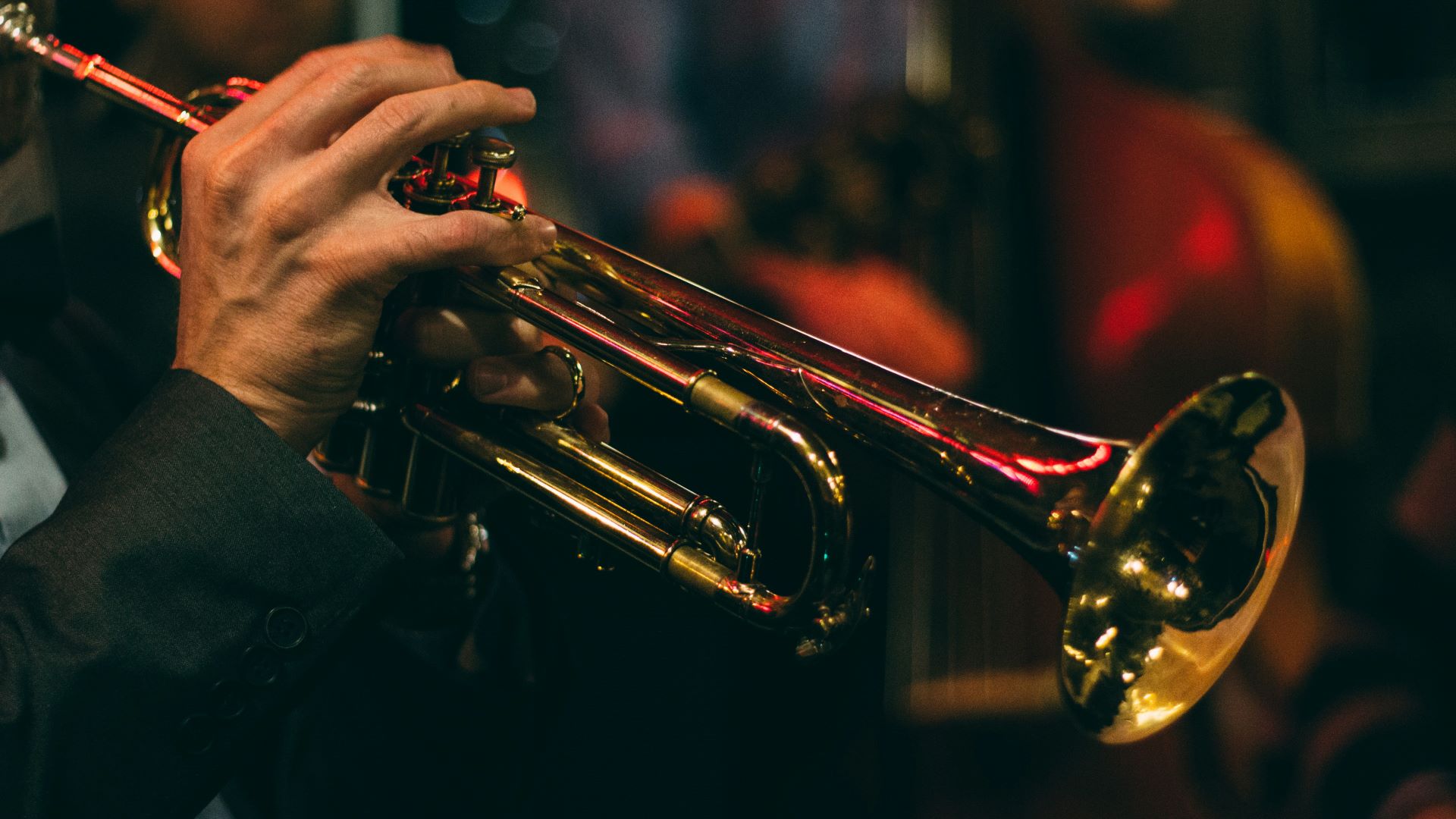
The Soil: Early Seeds in Sophiatown and Beyond
Sophiatown: A Cradle of Sound and Defiance
Sophiatown, west of Johannesburg’s center, was home to a multi-racial, multi-lingual community—a rare space where Black Africans, Coloureds, Indians mixed, where jazz, lively debate, and politics met. It was here that African youth, many self-taught, absorbed swing and big-band records from abroad, listened to radio transmissions, picked up brass instruments, and developed what would become township jazz.
Bands such as the Jazz Maniacs, inspired by bands like Count Basie and Duke Ellington, fused those influences with Indigenous musical forms: marabi rhythms, call-and-response patterns, local melodies. The setting of Sophiatown’s shebeens and halls—places where liquor laws, pass laws, and racial segregation were daily burdens—set the stage for a music that was both escape and resistance.
Emergence of Marabi, Swing & Early Forms
Parallel to the jazz imported in shellac and over the airwaves was a home-grown sound: marabi, with its cyclical chord structures (often I-IV-I-V progressions), repetitive piano patterns, danceable groove. It arose in townships where the only light sometimes was that of the moon and the only gathering place was the shebeen. Marabi set the rhythmic foundation for later developments.
Then came African swing bands, vocal quartets, male and female singers adopting harmonies and styles from the US, but adjusting them to local languages, experiences, traumas and joys. Figures like Dolly Rathebe, Miriam Makeba (in her earliest days with groups like the Manhattan Brothers and The Skylarks), and Dorothy Masuka were already bringing voice into this musical conversation.
From Sophiatown to Cape Town: Migration, Suppression, and Sound Transfer
Displacement, Apartheid, and the Scattering of Musicians
With growing enforcement of segregation and apartheid laws in the 1950s, township cultures were under pressure. In 1955 Sophiatown was demolished, its people forcibly removed. Many musicians were uprooted. The assault was more than physical; it fragmented social networks, severed informal apprenticeship systems, shut down performance spaces.
Yet, paradoxically, these hardships helped spread the music. Musicians dispersed to townships like Soweto, or to Cape Town. Some went into exile, taking their sound abroad but always retaining intimate connection to the rhythms and messages of back home.
Cape Town’s Unique Mix: Creole, Malay, Coloured Traditions
Cape Town, with its history of colonial trade, slavery, the Cape Malay community, "Coloured" identity, and proximity to the sea, offered a different crucible for jazz. Here, local folk forms—string bands, choir hymns, Malay vocal styles, Asian percussion influences—combined with foreign jazz to produce distinctive local expressions.
One of the most seminal works: “Mannenberg” (by Abdullah Ibrahim & co) famously captured the Cape Flats township feel—gong, sax, guitar, groove—all grounded in the lived experience of displacement (District Six, forced removals) and longing for home.
The Carnival style known as Klopse, or Tweede Nuwe Jaar (Second New Year), with its painted faces, processions, drumming (goema/ghomma drums), street bands, also contributed strongly to the rhythmic character of Cape Jazz.
Iconic Figures: Carriers of the Sound
Abdullah Ibrahim (Dollar Brand)
Born in Cape Town (1934), Ibrahim absorbed not only jazz records but also marabi, Cape Malay melodies and church music. His formative period included groups like the Tuxedo Slickers, then forming the Dollar Brand Trio. His international exposure (in Europe, exile) sharpened his creative voice. “Manenberg”, “African Piano”, and many other works show the fusion of experimental, political, and traditional elements.
Hugh Masekela
Hailing from Kwa-Guqa (Eastern Cape), but finding his musical ground in Sophiatown’s constant ferment. Trumpeter, activist, bandleader. His early exposure in Sophiatown, later exile, collaborations—Masekela carried the township sound to the world stage.
Others: Vocalists, Saxophonists & Bands
Women played pivotal roles: Miriam Makeba, Thandi Klaasen, Dorothy Masuka among them. Their voices narrated stories of love, oppression, identity. Instruments like saxophone (Kippie Moeketsi, Basil Coetzee), trombone (Jonas Gwangwa), drums, bassists and guitarists all added hues to the growing tapestry.
Musical Styles & Evolution: From Marabi to Cape Jazz
Marabi → Kwela → Mbaqanga → Township Jazz
The Birth of Cape Jazz
Cape Jazz as its own sub-style is rooted in the Creole/Coloured musical traditions around Cape Town: Malay vocal inflections, minstrel show heritage, goema drip, townships of the Cape Flats, and jazz structures introduced via swing and bebop. Artists like Ibrahim, Robbie Jansen, Basil Coetzee, Monty Weber, Paul Michaels, Winston “Mankunku” Ngozi helped solidify its sound.
The song “Mannenberg” (1974) is often considered a touchstone—a Cape Jazz anthem. Its freeness, its invocation of place, its defiance.
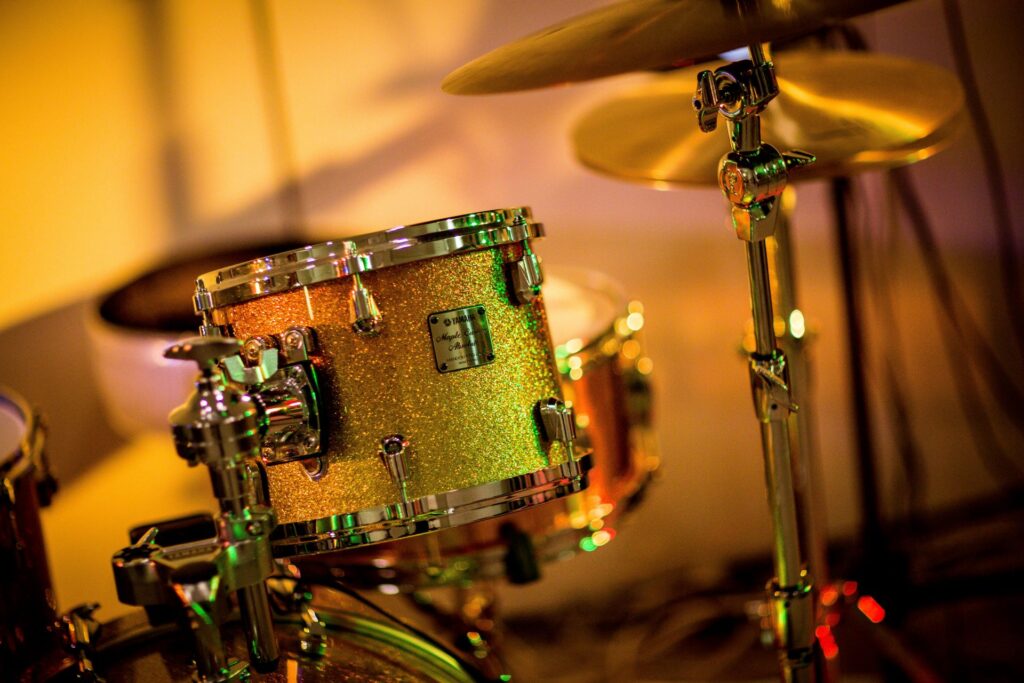
Venues, Clubs & Spaces: Where the Music Lived
Shebeens, Sophiatown Bars & Underground Halls
In the early decades, jazz in South Africa was not nurtured in large concert halls, but in informal settings—shebeens (illegal or semi-legal drinking places), back yards, spaza-type gathering spots. These spaces were fertile: musicians tested boundaries, new rhythms were born, improvisation was encouraged. Sophiatown’s vibrant nightlife was legendary for this.
Cape Town Clubs & the Club Circuit
As Cape Jazz matured, Cape Town’s clubs—township halls, smaller jazz venues, Cape Flats community spaces—became hubs. Musicians often played late into the night; small combos, collective ensembles, horns, drums, bass, guitar. The listening was intimate, the energy raw.
Post-Apartheid and the Festivals
After 1994, with legal barriers falling, new opportunities opened. The Cape Town International Jazz Festival, founded in 2000, became “Africa’s Grandest Gathering”—bringing together local and international acts, giving platform to younger musicians etc.
Modern venues also include art spaces, galleries, experimental performance spaces in Cape Town where Cape Jazz is reinterpreted, mashed up with electronic music, hip-hop, soul. These help keep the tradition alive and evolving.
The Politics of Sound: Jazz as Resistance & Identity
Music in South Africa has always been political. Under segregation and apartheid, the act of performance, of mingling audiences, of writing songs about displacement, yearning, injustice—all were acts of defiance.
Artists were surveilled, banned, exiled. Sophiatown was destroyed; District Six erased. But their songs, their rhythms survived, often abroad. Diaspora musicians carried the sound to Europe, America; while in exile they recorded, taught, collaborated—and sometimes upon return, used their visibility to contribute to the struggle.
Lyrics switched between English, Afrikaans, indigenous languages; sometimes coded, sometimes overt. Improvisation itself became metaphor: the right to speak, the right to resist, the right to preserve identity.
Sonics & Characteristics: What Makes Cape Jazz Distinct
Cape Town’s Clubs Today: Channels of Continuity and Innovation
The Club Scene & Emerging Artists
In Cape Town now, there are intimate jazz clubs (bars, cafés, small theatres) where young artists reinterpret Cape Jazz, mashups with contemporary genres, experiment. Pianists, saxophonists, vocalists find homes in these spaces, allowing forms to shift without losing roots.
Festivals & Big-Stage Exposure
Festivals like the Cape Town International Jazz Festival, Jazzathon, Coastal Jazz Fest spotlight big names but also open stage for newcomers. These platforms reinforce heritage and allow cross-pollination: collaborations with electronic producers, hip-hop artists etc.
Recording, Global Reach, and Digital Platforms
Record labels, online streaming, social media allow Cape Jazz to reach global ears. Expat communities, world-music circuits, academic interest all help. Musicians who left during apartheid often returned or influenced from abroad, bringing innovations back.
Challenges, Tensions & the Future
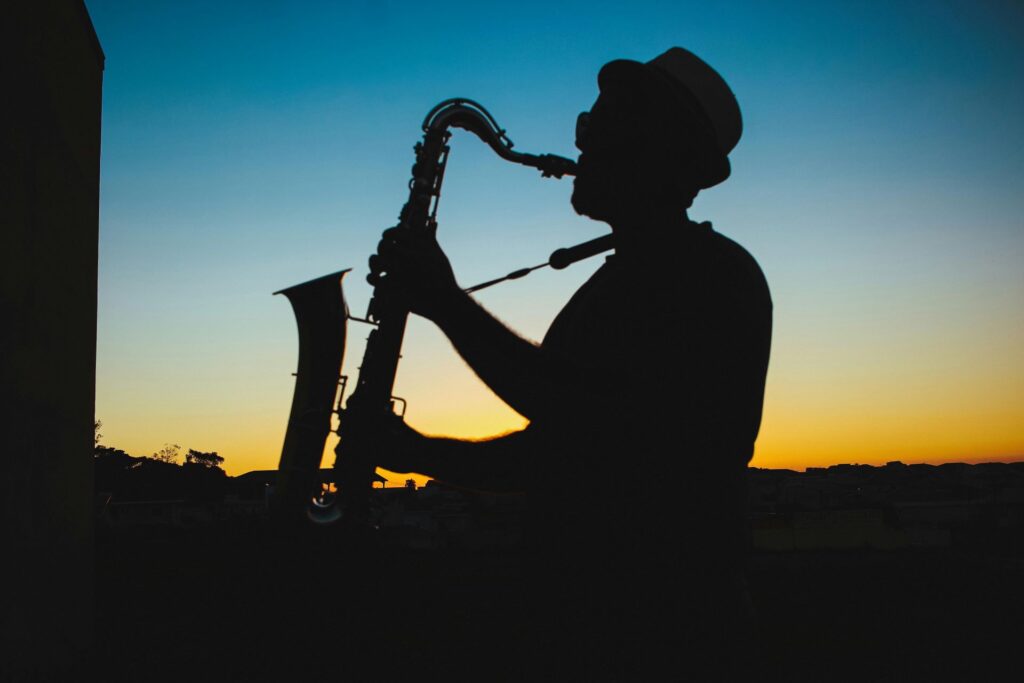
Rhythm, Memory, Home
Tracing the roots of South African jazz—from marabi in the shebeens of Sophiatown, through the migration into Cape Town’s creole and Malay musical traditions, through the fierce energies of resistance and exile—we arrive at today’s Cape Jazz: a genre anchored in place but restless in spirit. Cape Town’s clubs are more than stages; they are living archives. They honour the memories of past masters, the voices of those displaced, the yearning for home, the joy of community.
In Cape Jazz, every note is a conversation across time. Every solo carries echoes of a clarinet in Sophiatown, a goema drum in the Cape Flats, a piano in exile, a trumpet calling others home. As long as there are players with hands on brass and keys, voices raised in song, feet tapping in the clubs, the beat continues—both township and jazz, both roots and wings.
Herman
Reporting from the frontlines of the South African tourism renaissance. Bridging the gap between regional stories and global audiences through elite narrative strategy.