

South Africa is one of those destinations that people think they understand long before they arrive. News headlines, second-hand stories, dated guidebooks and well-meaning warnings often paint a picture that feels complete, even authoritative. And yet, the moment visitors land, start driving, eating, talking and exploring, the country quietly dismantles many of those assumptions.
This article is not about pretending South Africa is perfect. It is about replacing caricature with context. Travel decisions are shaped by perception, and perception is often built on half-truths. For international tourists, those half-truths can mean missed experiences, unnecessary fear, or a version of South Africa that exists more on social media than on the ground.
What follows is a clear-eyed look at the most common misconceptions international visitors bring with them, and the reality they usually encounter once they arrive.
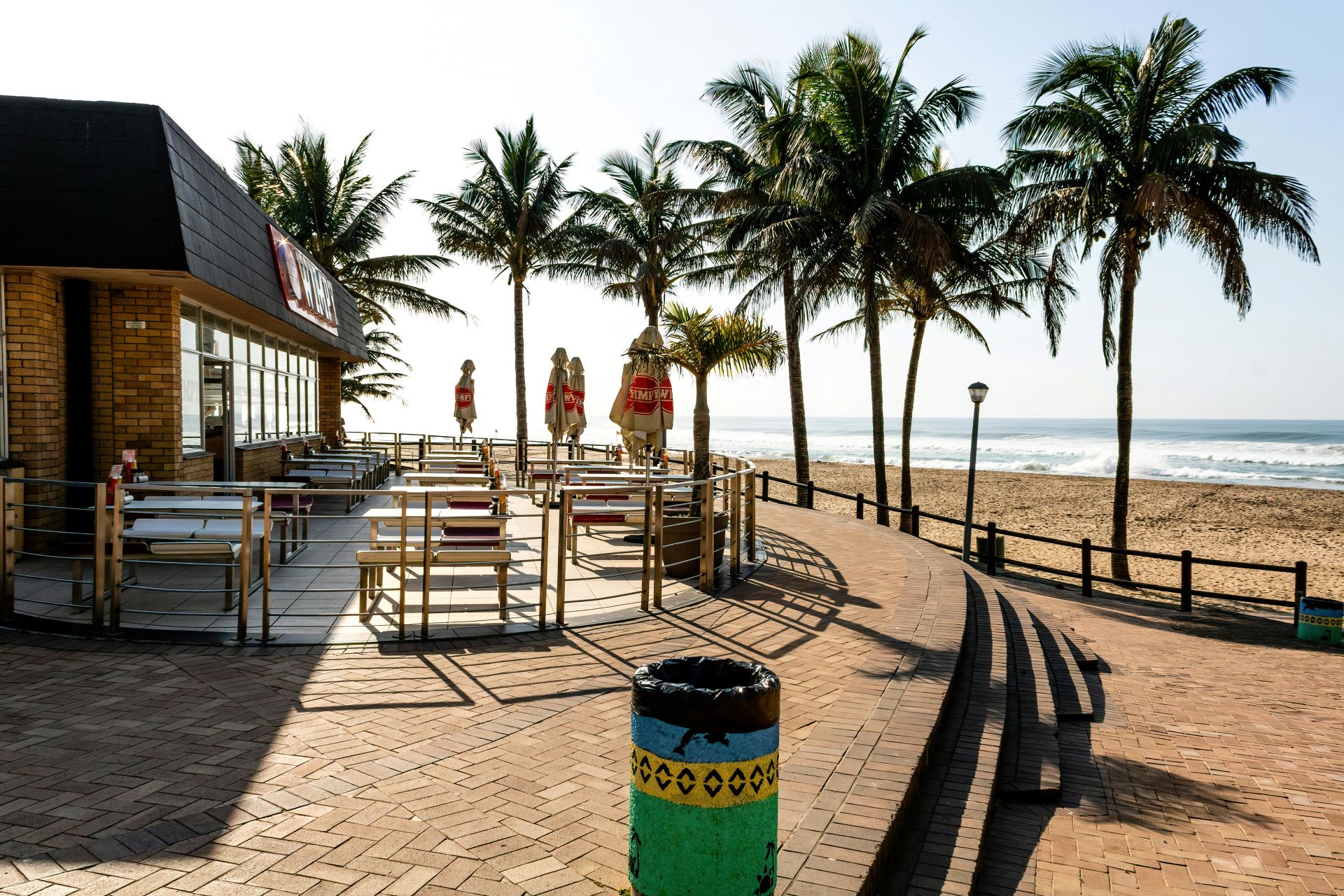
“South Africa Is Too Dangerous to Visit”
This is the most persistent belief, and the one that overshadows nearly every conversation about travel to South Africa. Many international tourists arrive expecting constant threat, imagining every street corner as a risk and every interaction as something to be guarded against.
The reality is far more nuanced.
South Africa does have crime, and pretending otherwise would be dishonest. But crime in South Africa is not evenly distributed, random, or uniquely targeted at tourists in the way many imagine. Like in any large country, safety is heavily influenced by location, timing, awareness and behaviour. Visitors who stay in well-established tourist areas, follow local advice, and apply the same situational awareness they would in cities like Rio de Janeiro, New Orleans or Barcelona generally experience South Africa as welcoming and calm.
Most tourists spend their days walking along the V&A Waterfront, wine tasting in Stellenbosch, hiking in the Drakensberg, driving the Garden Route, or exploring national parks. These are not high-risk environments. Hotels, lodges and guesthouses are accustomed to international guests and invest heavily in security, often to a level that surprises visitors from Europe or North America.
What many travellers get wrong is assuming danger is constant and unavoidable. In practice, South Africa rewards informed travel. Locals readily give advice on where to go, what to avoid and how to move around safely. Visitors who listen tend to leave wondering why they were so anxious in the first place.
“You Can’t Move Around Without a Guide”
Another common misconception is that South Africa is a destination that must be experienced only through organised tours. Some travellers believe renting a car or exploring independently is risky or impractical.
In reality, South Africa is one of the most road-trip-friendly countries in the world.
The road infrastructure between major cities and tourist regions is generally excellent. Signage is clear, fuel stations are frequent, and long-distance driving is straightforward. The Garden Route, Panorama Route, Cape Winelands and even long stretches of the Karoo are popular precisely because they are easy to navigate without a guide.
Self-drive safaris are also far more common than many visitors expect. Kruger National Park, Addo Elephant National Park and several other reserves are designed for independent travellers. Roads are well marked, camps are secure, and first-time safari-goers often find the experience surprisingly accessible.
Guides absolutely add value, especially for wildlife tracking, cultural context and deep local knowledge. But South Africa does not require hand-holding to be enjoyed safely. Many tourists discover that the freedom to explore on their own terms is one of the country’s greatest strengths.
“It’s All About Safaris”
For many international travellers, South Africa exists almost exclusively as a wildlife destination. Lions, elephants, rhinos and open-top vehicles dominate the mental image. While safaris are a major draw, reducing South Africa to its game reserves misses the country’s diversity entirely.
South Africa is as much about cities as it is about wildlife.
Cape Town regularly ranks among the world’s most beautiful cities, not because of marketing hype, but because of its setting between ocean and mountain, its food culture, and its creative energy. Johannesburg, often dismissed outright, is one of Africa’s most culturally significant cities, with world-class museums, galleries and a constantly evolving urban identity.
Then there is the coastline. South Africa has thousands of kilometres of varied shoreline, from rugged cliffs and cold Atlantic waters to subtropical beaches along the Indian Ocean. Surf towns, whale-watching hubs, diving destinations and quiet fishing villages all coexist within the same country.
Add to this the wine industry, adventure tourism, hiking trails, heritage routes, music festivals and food scenes, and the safari becomes just one chapter in a much larger story. Tourists who arrive expecting a single-note destination often leave wishing they had planned for more time.
“South Africa Is Poor Everywhere”
Media coverage tends to focus heavily on inequality, and while inequality is undeniably a defining challenge in South Africa, many visitors arrive expecting a country that feels uniformly underdeveloped.
What surprises them is contrast.
South Africa is a place where modern shopping centres sit minutes away from informal settlements, where luxury lodges exist alongside rural villages, and where infrastructure quality can shift dramatically within short distances. This can be confronting, but it is also part of understanding the country honestly.
For tourists, this does not usually translate into discomfort. Accommodation options range from budget-friendly guesthouses to internationally competitive five-star hotels. Restaurants in cities like Cape Town, Durban and Johannesburg rival those in major global destinations in both quality and creativity. Connectivity, payment systems and services often feel more familiar than expected.
The misconception lies in assuming poverty defines the visitor experience. In practice, most tourists encounter a country that feels functional, creative and outward-facing, while also being deeply shaped by its social realities.
“Everyone Is Constantly Talking About Politics”
Some international visitors expect South Africa to feel tense, argumentative or consumed by political issues at all times. This assumption often comes from exposure to news coverage that frames the country through crisis narratives.
While politics does matter in South Africa, daily life is not dominated by it in the way outsiders sometimes imagine.
Conversations with locals are more likely to revolve around load shedding schedules, weekend plans, sport, food, family and humour than abstract political debates. South Africans are famously resilient and irreverent, often using humour as a coping mechanism rather than dwelling on frustration.
Tourists are often surprised by how warm, relaxed and curious people are, especially when engaging with visitors. Politics may come up, particularly in thoughtful conversations, but it is rarely the defining tone of interaction.
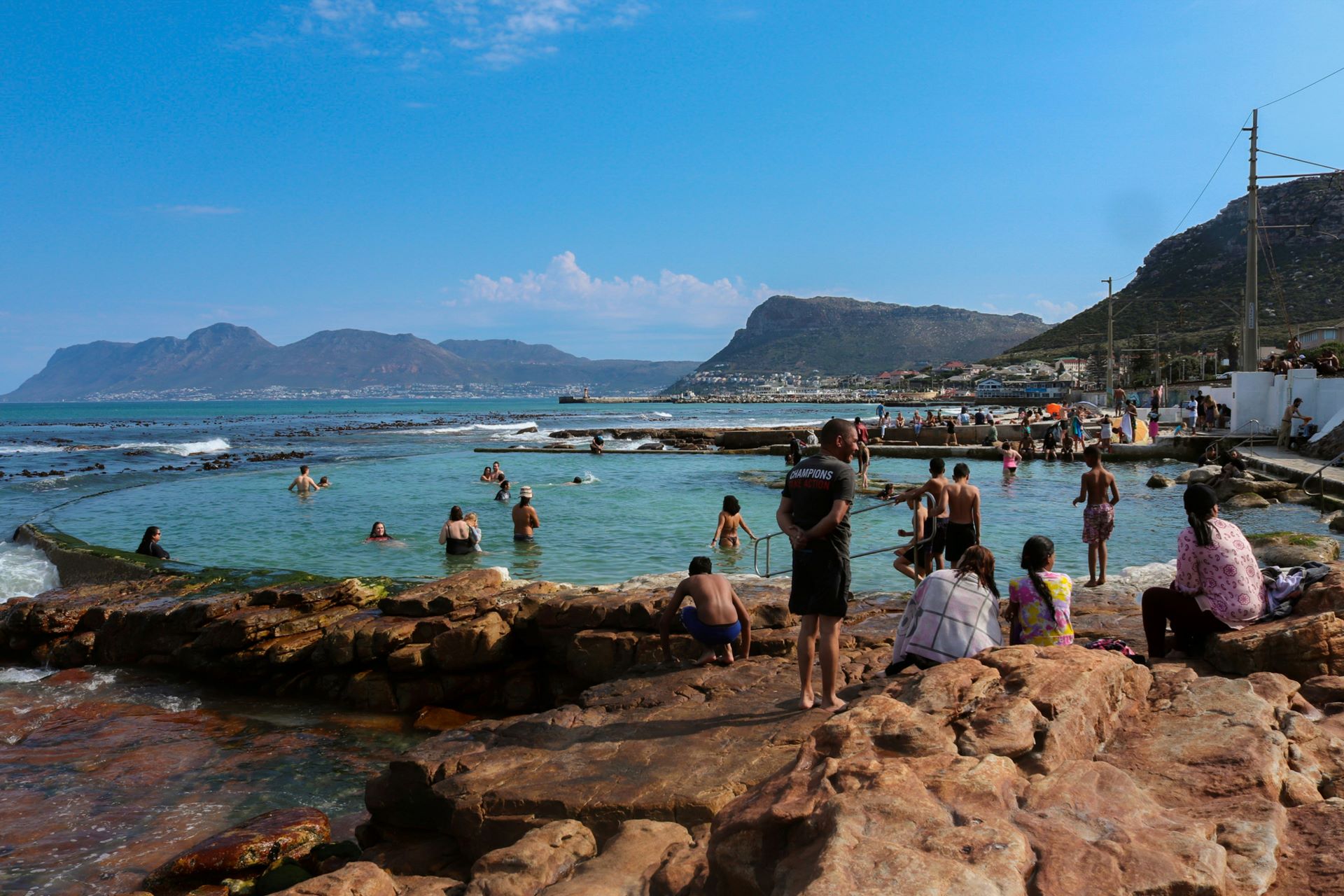
“English Isn’t Widely Spoken”
Given South Africa’s eleven official languages, some travellers worry about communication barriers. Others assume English is limited to tourist hubs.
In reality, English is widely spoken and understood, particularly in urban areas and within the tourism industry. Road signs, menus, guides and official information are almost always available in English. While accents and idioms may differ, communication rarely poses a problem.
What many visitors do not expect is how multilingual South Africans are. Switching between languages is common, and tourists often witness conversations that move fluidly between English and local languages. This linguistic diversity enriches the travel experience rather than complicating it.
“The Food Is Basic or Unremarkable”
South Africa’s culinary reputation has lagged behind its actual food culture. Some international tourists expect bland, meat-heavy meals or limited variety.
The reality is that South Africa has one of the most dynamic food scenes in the southern hemisphere.
Influences from indigenous cooking, Malay traditions, Indian cuisine, European techniques and contemporary global trends all intersect. From street food to fine dining, the range is vast. Cape Town alone hosts internationally recognised restaurants, experimental kitchens and deeply rooted traditional eateries.
Wine tourism further elevates the experience. South African wines consistently outperform expectations, offering exceptional quality at price points that surprise even seasoned travellers.
Food becomes one of the most pleasant corrections to expectation. Many visitors rank dining among their top memories, often regretting not planning more meals into their itineraries.
“You’ll See Wildlife Everywhere”
Some tourists arrive expecting animals to wander through city streets or to spot the Big Five casually from the roadside. When this does not happen, disappointment can follow.
South Africa’s wildlife experiences are remarkable, but they are also carefully managed.
National parks and private reserves exist to protect ecosystems and ensure sustainable tourism. Wildlife sightings are not staged, guaranteed or constant. This is part of what makes them meaningful. Seeing a lion after hours of tracking is different from seeing one on demand.
Outside of reserves, wildlife encounters are more subtle. Birds, small mammals and marine life are common, but large game is not part of everyday urban life. Understanding this helps align expectations with reality and allows visitors to appreciate encounters when they happen.
“South Africa Is Just One Culture”
Another frequent misconception is treating South Africa as culturally uniform. Some visitors expect a single “South African experience,” often shaped by safari imagery or a narrow understanding of history.
South Africa is a mosaic of identities.
Cultural experiences vary significantly by region, language, history and community. The rhythms of life in rural Limpopo differ from those in coastal KwaZulu-Natal or urban Gauteng. Music, food, humour and social norms shift across the country.
Tourists who approach South Africa with curiosity rather than assumptions tend to have richer interactions. Instead of looking for a single narrative, they encounter many, sometimes contradictory, perspectives. This complexity is not a flaw. It is one of the country’s defining features.
“It’s Expensive or Inconvenient”
There is a perception that South Africa is either prohibitively expensive or logistically difficult to travel.
For many international visitors, the opposite proves true.
Exchange rates often work in favour of travellers from Europe, North America and parts of Asia. Accommodation, dining, transport and activities frequently offer strong value for money. Domestic flights are relatively affordable, and distances between major attractions are manageable.
Tourism infrastructure is well developed, with a wide range of options catering to different budgets and travel styles. While public transport is limited in some areas, ride-hailing services and car rentals fill the gap effectively.
The inconvenience many expect simply does not materialise in most tourist experiences.
Why These Misconceptions Persist
Misconceptions about South Africa are not accidental. They are shaped by selective media coverage, outdated narratives, and the tendency to flatten complex places into simple stories.
South Africa also defies easy categorisation. It is both modern and traditional, wealthy and unequal, relaxed and intense. This makes it harder to summarise, but far more rewarding to experience.
Tourists who rely solely on second-hand information often miss this nuance. Those who arrive with openness tend to leave with a far more grounded understanding.
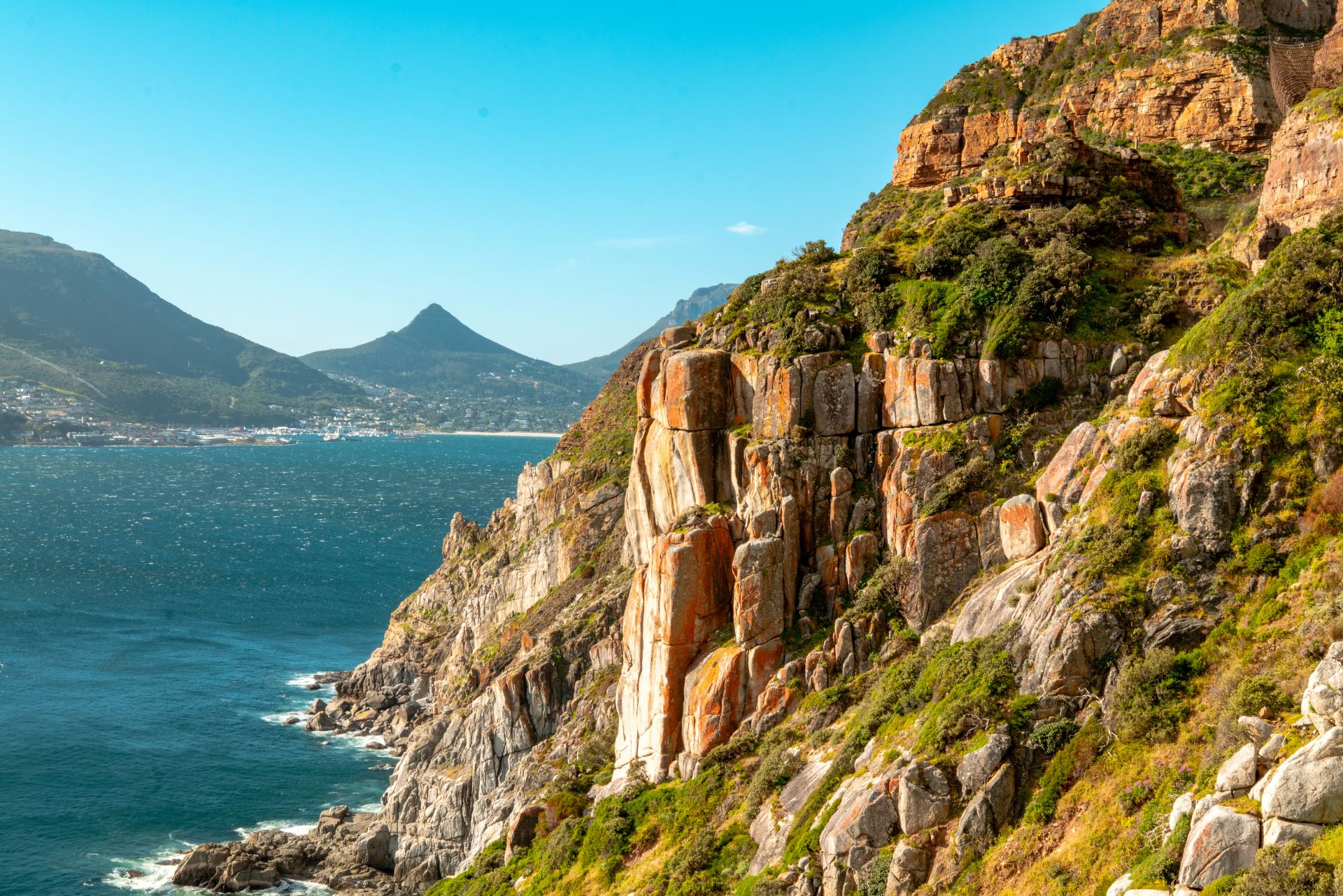
The Reality Visitors Take Home
By the end of their trip, many international tourists share a similar reflection. South Africa was not what they expected, and that was the best part.
They talk about warmth rather than fear, variety rather than limitation, and depth rather than spectacle alone. They speak of conversations, landscapes, meals and moments that felt unfiltered and real.
Correcting misconceptions does not mean denying challenges. It means recognising that no country is defined solely by its problems, just as no destination should be reduced to a marketing slogan.
South Africa rewards curiosity. It challenges assumptions quietly, one experience at a time. And for travellers willing to look beyond the myths, it offers something increasingly rare in global tourism: a place that feels alive, complicated and deeply human.
Elisha Roodt
Reporting from the frontlines of the South African tourism renaissance. Bridging the gap between regional stories and global audiences through elite narrative strategy.