

When most travellers think of South Africa, the mind drifts to sweeping savannas, wildlife safaris, and the rugged beauty of the coastline. Yet beyond the famed natural landscapes lies a vibrant, multifaceted urban tapestry waiting to be explored—cities alive with culture, creativity, and culinary curiosity. Johannesburg, Durban, and Pretoria are more than just bustling metropolises; they are canvases for immersive urban experiences that defy conventional tourism. By peeling back the layers of these cities, visitors can uncover a South Africa often hidden from guidebooks, where street art, intimate galleries, craft breweries, and clandestine eateries converge into unforgettable experiences.
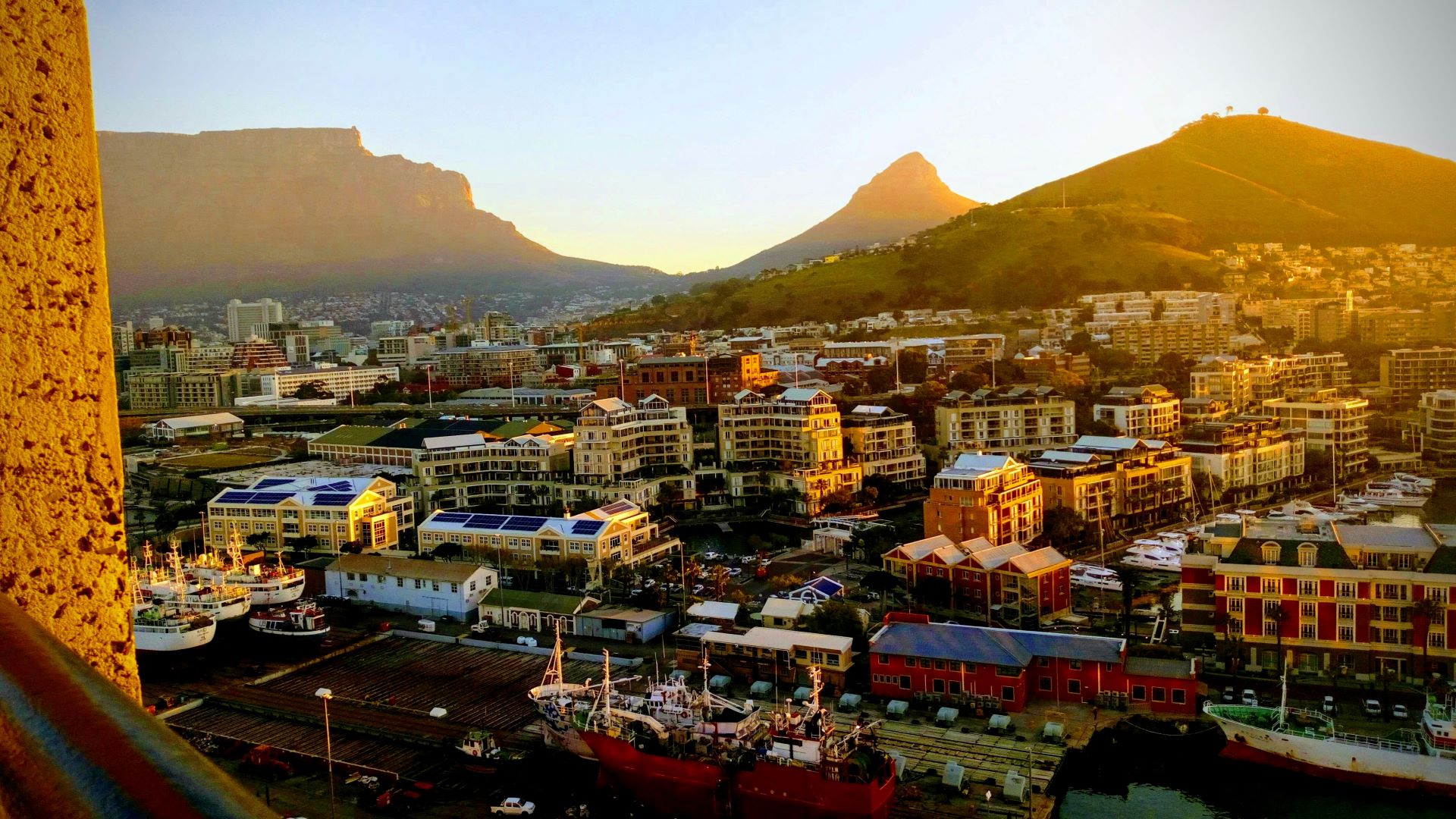
Johannesburg: The City of Gold Reimagined
Johannesburg, often reduced to headlines of crime or business, holds a quieter rhythm that pulses beneath the surface. Here, urban explorers can move beyond the standard itinerary of Soweto tours or Maboneng precinct strolls and delve into the city’s creative underbelly.
Hidden Art Galleries and Alternative Exhibitions
In neighborhoods like Braamfontein and Newtown, small, independently curated galleries challenge the traditional museum experience. Places such as the Johannesburg Art Gallery Annex host rotating exhibitions that showcase both emerging and established South African talent. These intimate spaces allow visitors to engage with the art and artists directly, often with the gallery owners themselves guiding discussions. For those with a more experimental palate, Circa Gallery in Braamfontein transforms ordinary warehouse spaces into provocative artistic landscapes, fusing installations, multimedia works, and performance art.
The appeal of these galleries lies not in grandeur but in the narrative they weave—stories of the city’s transformation, of resilience, and of a creative community that refuses to conform to mainstream expectations.
Street Art: Johannesburg as an Open-Air Museum
Johannesburg’s streets are alive with more than the usual traffic; they are open-air galleries where walls tell tales. Maboneng Precinct and Newtown host vibrant murals that reflect social commentary, historical homage, and contemporary culture. Guided street art tours, often led by local artists, provide context behind these massive works, revealing hidden layers of symbolism and political nuance. For the adventurous, simply wandering these districts allows encounters with spontaneous installations—graffiti that shifts overnight, pop-up art markets, and murals that tell the untold stories of township communities.
Street art here is more than decoration; it is a dialogue between artist, city, and visitor, offering a lens into Johannesburg’s evolving urban identity.
Culinary Adventures Off the Beaten Path
The city’s culinary scene mirrors its creative pulse. Beyond the mainstream eateries, Johannesburg is dotted with hidden gems that reward those willing to seek. Marble, while gaining acclaim, still feels intimate with its theatre of live-fire cooking, offering dishes crafted with precision and an imaginative twist. Elsewhere, small pop-ups like Urban Brew merge artisanal brewing with a café culture ethos, creating a space where patrons can sample unique craft beers while engaging in discussions about sustainability and local sourcing.
For a taste of the unexpected, Johannesburg also embraces fusion cuisine. Hidden eateries blend flavors from South Africa’s diverse cultural landscape, creating plates that are as visually arresting as they are palate-pleasing. Experiencing these culinary retreats feels less like dining and more like participating in a city-wide narrative of flavour, heritage, and innovation.
Durban: Coastal Urbanity Beyond the Beach
Durban’s reputation as a seaside city often eclipses its urban charm, yet the city’s streets hold stories of creativity, culinary diversity, and cultural experimentation. From the historic Indian Quarter to the revamped arts precincts along the Berea, Durban’s cityscape rewards curiosity.
The Rise of Independent Art Spaces
While the Durban Art Gallery in the city center remains a cornerstone for traditional works, it is the smaller, independent venues that excite the discerning urban tourist. Artspace Durban transforms industrial buildings into a playground of contemporary creativity, housing exhibitions that challenge conventional aesthetic boundaries. Here, installations may involve soundscapes, interactive sculptures, or projections that respond to visitor movement, blurring the line between observer and participant.
These galleries are complemented by artist-run studios in Glenwood and Morningside, which welcome visitors into the creation process. Witnessing a painting come to life or a sculpture being formed imbues the act of tourism with intimacy, connecting visitors directly with the heartbeat of Durban’s creative community.
Street Art and Cultural Storytelling
Durban’s street art often tells a story of identity and history. Murals along Florida Road and Umbilo Road illustrate local legends, celebrate community heroes, and highlight pressing social issues. Walking tours here focus not only on the visuals but on the narratives behind them, enabling tourists to engage with the city’s evolving socio-political landscape. Beyond the murals, the city hosts temporary installations and street performances that turn public spaces into interactive stages, ensuring that Durban’s streets are never static, always alive with expression.
Hidden Culinary Gems and Craft Brewing
Durban’s culinary scene offers a rich interplay of coastal flavors, Indian influences, and contemporary gastronomy. While the beachfront restaurants draw crowds, tucked-away spots like The Workshop Eatery in Morningside serve experimental dishes that challenge expectations of texture, spice, and presentation. Craft breweries have also gained traction, with establishments like Durban Brewing Company producing small-batch beers that reflect the region’s unique palate, blending local ingredients with traditional brewing techniques.
This urban culinary landscape encourages exploration, turning every alleyway, converted warehouse, and rooftop into potential destinations for a memorable meal or tasting session.
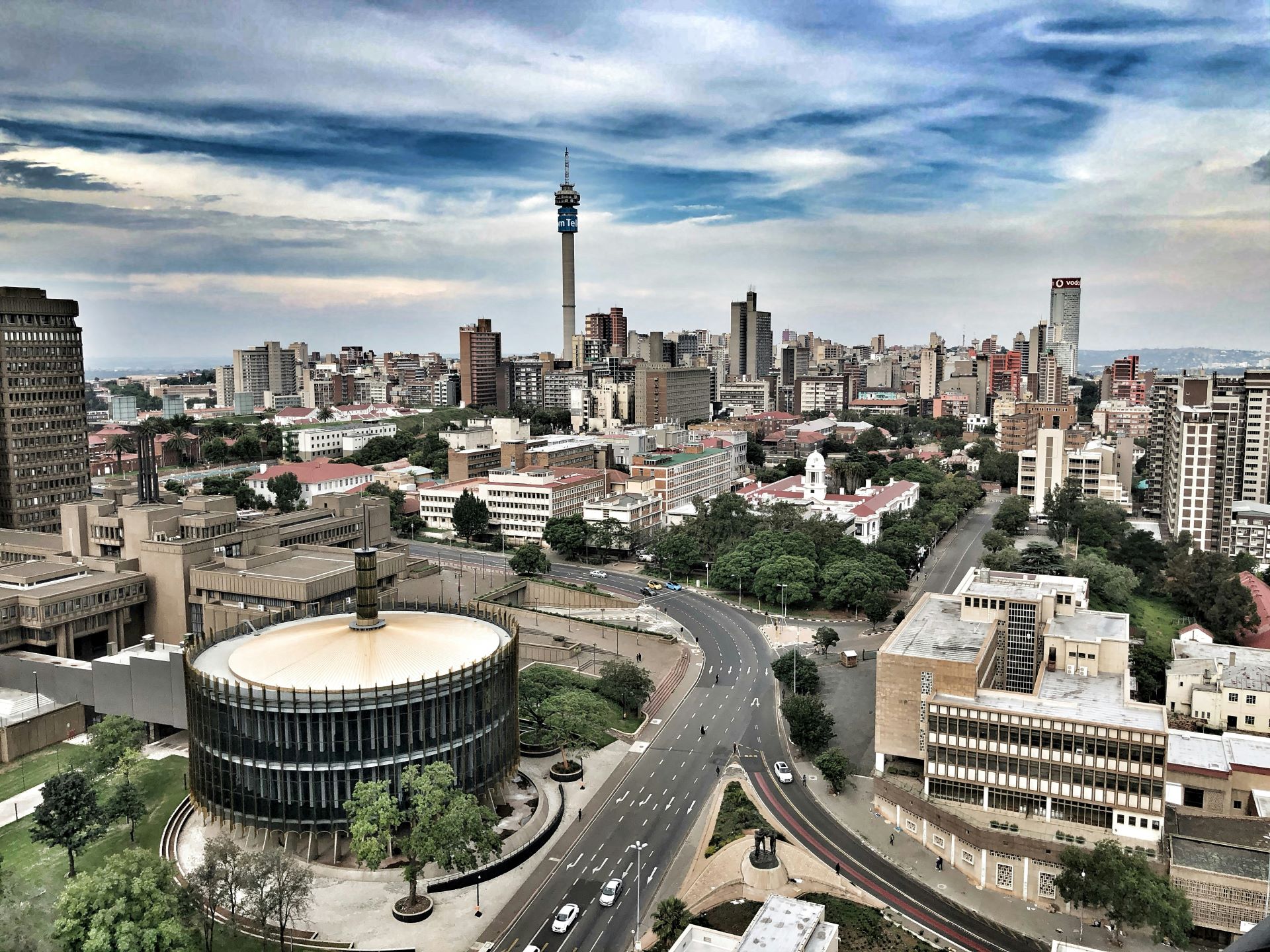
Pretoria: History Meets Contemporary Creativity
Pretoria, often dubbed the Jacaranda City, balances historical gravitas with a quietly thriving modern arts scene. Here, the urban explorer finds a city of contrasts, where colonial architecture meets innovative design, and tranquil streets host experimental cultural spaces.
Intimate Galleries and Experimental Exhibitions
Pretoria’s gallery scene favors intimate spaces over sprawling complexes. Pretoria Art Museum, while historically significant, coexists with boutique galleries in neighborhoods like Hatfield and Brooklyn. These spaces curate exhibitions that merge traditional and contemporary forms, often highlighting local artists experimenting with sculpture, digital media, and multimedia storytelling.
Visitors here are invited to linger, engage, and participate in dialogue, fostering a sense of community that is rare in larger, impersonal urban centers. It is this interactivity—conversations with curators, participation in workshops, or even collaborative art events—that turns a casual visit into a transformative experience.
Street Art with Subtlety and Nuance
While Pretoria’s street art scene is more understated than Johannesburg or Durban, it thrives in pockets that reward patient exploration. Alleyways and university campuses serve as canvases for politically charged murals, conceptual installations, and ephemeral works that challenge perception. Walking through these areas, one notices layers of storytelling, where each piece contributes to a dialogue on history, identity, and urban evolution.
Culinary Surprises and Craft Experiences
Pretoria’s food scene reflects a blend of heritage and innovation. Beyond its well-known dining establishments, the city harbors micro-restaurants, pop-up cafés, and secret supper clubs that cater to adventurous palates. Neighborhoods such as Lynnwood and Waterkloof hide bistros where experimental chefs marry traditional South African ingredients with global techniques, creating plates that are narrative as much as they are gastronomic.
Meanwhile, Pretoria’s craft beer culture continues to expand. Breweries such as Copperlake Brewery offer tasting rooms that double as community hubs, where locals and tourists alike can share stories over carefully brewed ales, fostering a sense of connection that transcends the act of drinking.
The Appeal of Urban Discovery
What draws modern travellers to these lesser-known urban experiences is a desire to connect—to understand a city through the lens of its people, creativity, and hidden narratives. Unlike traditional sightseeing, where tourists consume landmarks passively, this approach encourages immersion, curiosity, and dialogue. It transforms the act of tourism from observation to participation.
South African cities, with their diverse cultural legacies, dynamic creative communities, and evolving gastronomic landscapes, offer a wealth of opportunities for those willing to look beyond the surface. Each mural, each gallery, each tucked-away eatery represents a story—a narrative waiting to be discovered by a visitor willing to step off the beaten path.
Crafting Personal Urban Journeys
For travellers seeking an authentic urban experience, the journey begins with openness. Embracing the unknown—venturing down side streets, engaging with local artists, sampling street-level cuisine—is essential. Urban tourism in South Africa is less about checking boxes and more about layering experiences: a morning gallery visit followed by a street art walk, concluding with a tasting at a microbrewery or a hidden bistro.
Such experiences reward curiosity, offering a mosaic of sensory and intellectual engagements. They cultivate an appreciation not just for what the city looks like, but for how it feels, smells, tastes, and resonates culturally.
Beyond the Guidebook
Johannesburg, Durban, and Pretoria are living tapestries—dynamic, layered, and brimming with hidden gems. Urban tourism with a twist reveals these cities as more than urban centers; they are ecosystems of creativity, culinary experimentation, and cultural dialogue. By prioritising lesser-known experiences—intimate galleries, street art, craft breweries, and concealed eateries—visitors can participate in the authentic rhythm of these cities.
South Africa’s urban landscapes challenge conventional tourism by demonstrating that exploration is not solely about famous landmarks but about discovering life’s subtler textures. In seeking the hidden, travellers do not just see South Africa—they experience it in ways that linger, inspire, and transform the ordinary city visit into something truly extraordinary.
Gerald Ferreira
Reporting from the frontlines of the South African tourism renaissance. Bridging the gap between regional stories and global audiences through elite narrative strategy.