

Embarking on a South African safari is the kind of adventure that etches itself into memory, where golden sunsets, the roar of lions, and endless savannahs converge into an experience that is simultaneously thrilling and serene. Yet, for many travelers, the excitement can quickly turn to stress when faced with the question: what exactly should I pack? Overpacking or leaving behind crucial items can overshadow even the most breathtaking moments. This guide offers practical, region-specific advice to ensure you’re fully prepared for your African adventure.
Understanding the Environment
South Africa’s safari destinations, from Kruger National Park to the malaria-free Eastern Cape reserves, present a diverse range of climates and terrains. In the north, temperatures can soar during the summer months, reaching over 35°C, while the winter months bring crisp mornings and chilly evenings. Coastal reserves like Addo Elephant Park experience higher humidity and sporadic rainfall, requiring lightweight yet waterproof layers. Understanding the specific region and season of your safari is the first step toward smart packing.
Clothing Essentials
Safari clothing serves both function and comfort. Neutral tones—beige, olive, khaki—blend with the landscape, reducing disturbance to wildlife and protecting against heat reflection. Breathable fabrics like cotton and linen are ideal for daytime, while lightweight fleece or thermal layers are necessary for early morning game drives when temperatures dip.
A sturdy hat with a brim shields you from the relentless African sun, and polarized sunglasses reduce glare during midday drives. Long-sleeved shirts and trousers protect against insect bites and thorny brush, while a lightweight rain jacket ensures comfort during unexpected showers. Avoid black or dark colors that attract tsetse flies or overly bright colors that can startle animals.
For footwear, closed-toe shoes are non-negotiable. Hiking boots or sturdy sneakers provide protection and grip for walking safaris, while sandals are only suitable for relaxing around your lodge or camp.
Gear and Gadgets
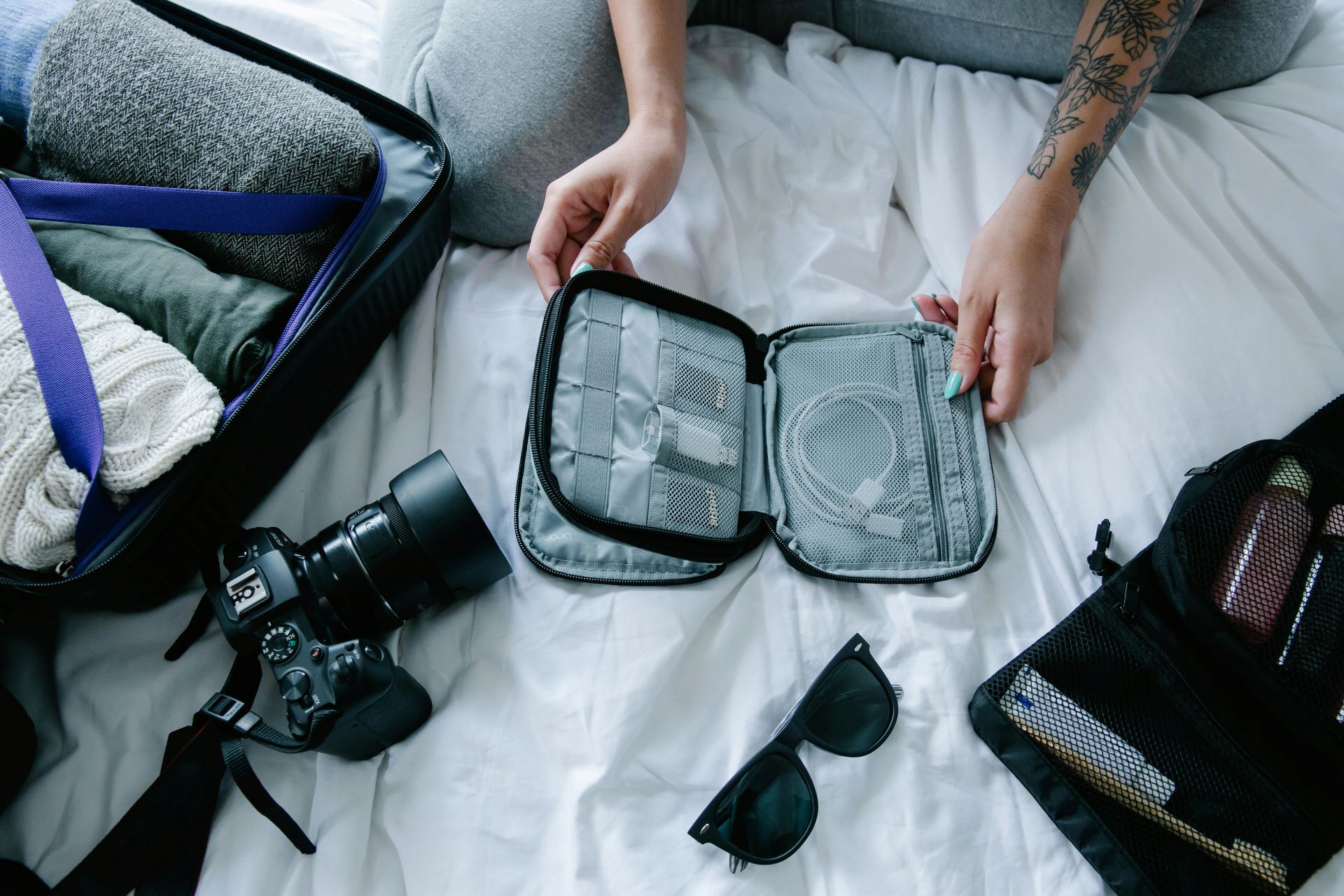
A safari is a photographer’s dream, and packing the right gear ensures you capture every moment without hassle. A DSLR or mirrorless camera with a zoom lens allows you to photograph wildlife safely from a distance. Binoculars are essential for spotting distant animals, while a lightweight tripod or monopod stabilizes shots during early morning drives.
Don’t forget chargers, power banks, and universal adapters; many lodges provide power but having your own ensures uninterrupted access. A small flashlight or headlamp is useful in camps with limited lighting, and a dry bag keeps electronics safe from dust and sudden downpours.
Health and Safety Essentials
Depending on your destination, malaria prophylaxis may be recommended, particularly for northern parks. Consult a travel clinic well before departure. High-SPF sunscreen, insect repellent, and lip balm protect against sunburn and insect bites. A compact first aid kit with plasters, antiseptic, pain relievers, and any prescription medications is crucial for emergencies.
Water safety cannot be overstated. Bring reusable water bottles to stay hydrated throughout the day, particularly in the heat of the lowveld. Many lodges provide filtered water, but having your own ensures constant access.
Personal Items and Comforts
Safari days can be long, so comfort items elevate the experience. Lightweight scarves or bandanas protect against dust, while compact binocular cases or camera straps prevent strain. Earplugs and eye masks enhance sleep in shared accommodations, and a small notebook is perfect for journaling sightings and experiences.
When it comes to toiletries, opt for eco-friendly, biodegradable products whenever possible to protect the delicate environment. Lodges often provide basic toiletries, but your personal preferences should not be overlooked.
Luggage and Organization
Choosing the right luggage is essential. Soft-sided bags are easier to stow in safari vehicles than hard suitcases. Packing cubes or compression bags help organize clothing and gear efficiently, while dry sacks protect items from moisture and dust. Consider leaving formal clothing at home; safaris prioritize practicality over style, though a casual evening outfit is handy for lodge dinners.
Region-Specific Tips
Different regions of South Africa may require nuanced packing strategies. Kruger National Park and surrounding private reserves often feature long drives over dusty roads; a dust-proof camera cover and scarf are invaluable. Eastern Cape reserves, with their higher rainfall, require waterproof jackets and shoes, while the Kalahari region demands sun protection and layers for chilly nights.
When visiting coastal parks, beachwear may complement game drives, particularly if your itinerary includes rivers or estuaries. Always research park-specific guidelines: some lodges provide binoculars, safari bags, or insect repellent, potentially reducing what you need to carry.
Cultural Considerations
Respecting local customs enhances the safari experience. Modest clothing when visiting nearby villages or cultural centers demonstrates cultural sensitivity. A small gift or token of appreciation for guides and lodge staff is both polite and appreciated, though not mandatory.
Avoiding Common Mistakes
Overpacking is a common pitfall. Many travelers bring multiple pairs of shoes, formal outfits, or heavy luggage that is cumbersome on safari vehicles. Prioritize versatile, lightweight clothing and gear that serves multiple purposes. Similarly, failing to pack small essentials—sunscreen, insect repellent, binoculars—can detract from your comfort and enjoyment.
Final Thoughts
A South African safari is an unforgettable journey into one of the world’s most biodiverse landscapes. Thoughtful packing ensures you remain comfortable, safe, and fully immersed in the experience. By tailoring your gear to the season, region, and activity, you can focus on what truly matters: the thrill of spotting a lion at sunrise, the majesty of elephants crossing a river, and the serene beauty of the African bush.
Ultimately, packing for a safari is about balance—bringing enough to stay safe and comfortable, without letting baggage weigh down your adventure. With this guide in hand, your journey into the wild will be as seamless as it is unforgettable.
Mandla Ndlovu
Reporting from the frontlines of the South African tourism renaissance. Bridging the gap between regional stories and global audiences through elite narrative strategy.