

There’s a corner of South Africa where the stars seem so close, you’ll want to reach out and pluck them from the sky. Welcome to the Karoo: a seemingly endless semi-desert region often overlooked by travelers for its more famous neighbors. But take a nighttime stroll under its twinkling canopy, and you’ll realize you’ve stumbled into a stargazer’s paradise—like an astronomer’s secret candy store, but with galaxies instead of gumdrops!
The Karoo, stretching across vast plains and rugged mountains, boasts one of the clearest night skies on Earth. Whether you’re an avid astronomy buff or simply the kind of person who thinks the Big Dipper is a giant cereal spoon, the Karoo welcomes you with open arms (and a sky that practically winks at you). Low light pollution and a distinct dryness of air make this region a prime locale for stargazing. In fact, space researchers and starry-eyed wanderers alike flock here to study (or simply admire) celestial wonders in extraordinary clarity.
In this article, we’ll don our metaphorical spacesuits and take you on a quirky exploration of the Karoo’s astronomical treasures. From peeking through the giant lenses of the Southern African Large Telescope in Sutherland to tuning into the universe at MeerKAT, we’ll highlight the region’s best stargazing sites, unique tours, cultural connections, and whimsical anecdotes sure to spark your sense of cosmic adventure. So, buckle up, stardust traveler—we’re about to drift off into the glittering galaxy of the Karoo!
Background on Stargazing and Astronomy in the Karoo
Long before modern telescopes turned their gaze skyward, the Karoo’s night sky was already telling stories to those who lived beneath it. Indigenous peoples observed the stars as calendars, compasses, and the inspiration for myths. Today, high-tech observatories perch atop isolated peaks, continuing this tradition of cosmic inquiry—only with a bit more machinery and a few extra zeroes in the research budget.
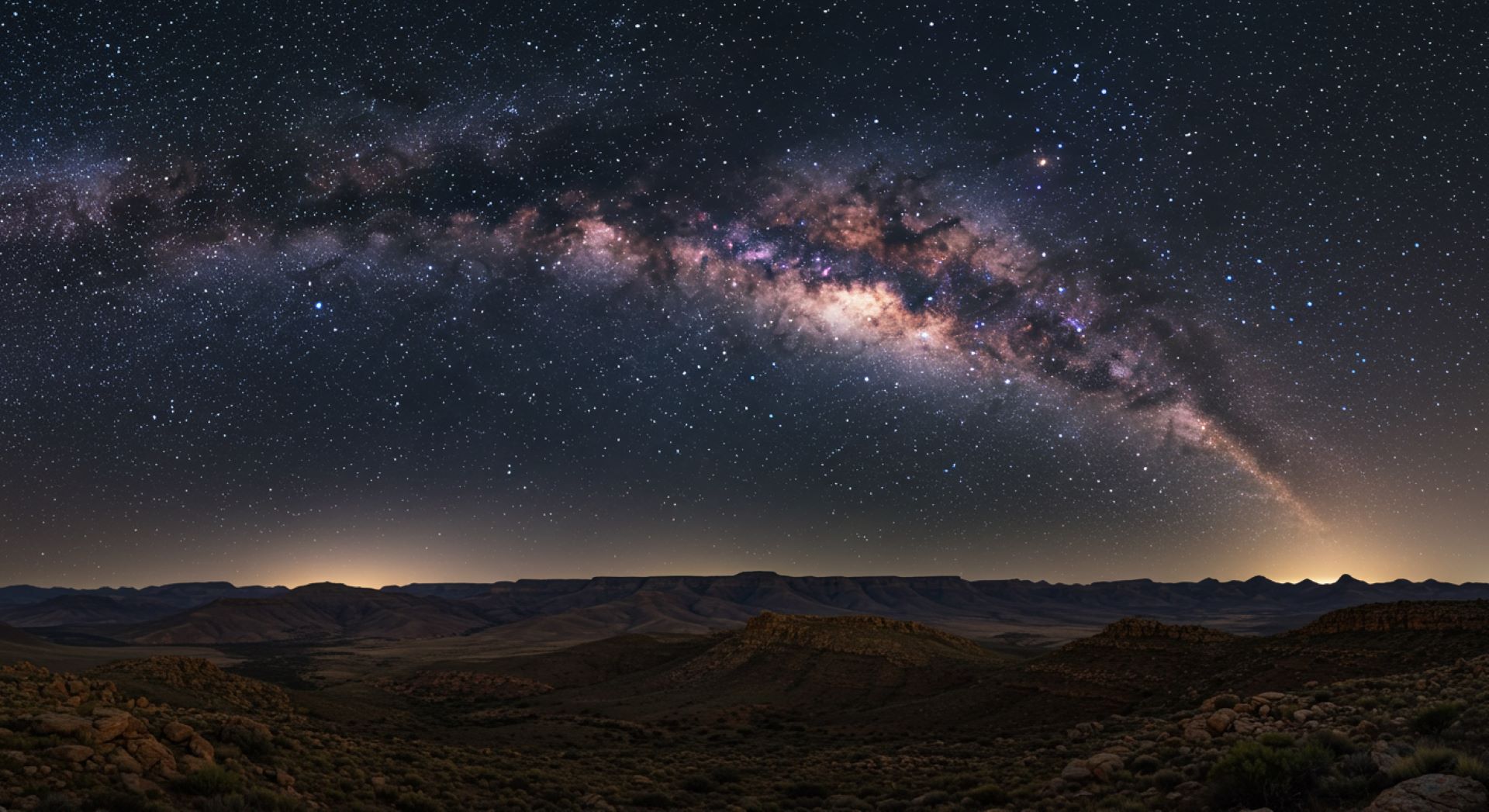
What makes the Karoo so exceptional for stargazing? First off, location, location, location! The region’s sparse population translates to minimal light pollution. City lights that usually haze up the heavens are nowhere to be found here. Coupled with its semi-arid climate, which reduces cloud cover and atmospheric moisture, the Karoo’s skies are clear for an astounding number of nights each year. Astronomers across the globe drool over the prospect of pointing telescopes here, as the clarity is second to none in the Southern Hemisphere. It’s like trying to read a cosmic book with 20/20 vision, rather than peering through smudged glasses.
The Karoo’s star-studded legacy isn’t just about the present—it’s also woven into historical achievements. In the early 1970s, local observatories were already making impressive strides in mapping the southern skies. By the turn of the millennium, the region had earned a spot on the global astronomy stage, thanks to cutting-edge projects that combined advanced telescope technology with the Karoo’s unbeatable vantage.
But it’s not all serious science. The Karoo is also a hub for star parties, night-sky festivals, and cultural storytelling sessions that revolve around the constellations. Here, astronomy is more than a cold, data-driven pursuit—it’s a chance to connect with the universe in a direct, almost playful way. Adventure seekers will discover that stargazing experiences can take on many forms: from rugged camping under the Milky Way, to structured telescope tours led by passionate local guides.
In the sections that follow, we’ll introduce you to the Karoo’s crown jewels of astronomy. Prepare to travel (both physically and mentally) to mountaintop observatories, state-of-the-art radio arrays, and off-the-beaten-track stargazing havens. The Karoo is ready to dazzle you with its cosmic glitz—no VIP pass required, just an open mind and a neck that doesn’t mind a bit of craning upwards.
Key Astronomy Sites
Sutherland – Southern African Large Telescope (SALT)
If the Karoo were hosting a star-studded VIP party, the Southern African Large Telescope (SALT) would be the guest of honor rolling up in the most impressive limousine. Towering above the small town of Sutherland—often deemed the coldest spot in South Africa—SALT is the largest optical telescope in the Southern Hemisphere. Sporting a massive 11-meter-wide mirror array, this giant essentially collects more starlight than any other single optical telescope in the southern half of our planet.
Importance in Global AstronomySALT is more than just a big shiny dome in the desert; it’s a world-class research instrument. Astronomers use it to study everything from distant quasars to binary star systems, literally shedding light on cosmic phenomena billions of light years away. The data captured here plays a significant role in global scientific collaborations, making Sutherland a mecca for star-savvy scholars and curious explorers alike. In fact, SALT has contributed to discoveries about dark energy, helped refine our understanding of stellar evolution, and identified objects in distant galaxies that boggle the mind.
Visitor InformationWhen you visit SALT, you can sign up for guided tours that typically run during the daytime (because, let’s face it, astronomers need those sweet nighttime hours to actually do their research). You’ll get an up-close look at the telescope itself, complete with scientific explanations that cater to both astrophysics nerds and novices who just want to snap a photo of the big metallic dome. Quirky fact: The rotating structure weighs hundreds of tons, yet moves so smoothly it’s like watching a giant ballerina pirouette on top of the mountain.
Night tours are also available, although they won’t let you peek through SALT’s main mirrors (no smudgy fingerprints allowed on that precious equipment!). Instead, smaller telescopes are set up for visitors to gaze at celestial wonders, guided by local experts who know their constellations like some people know the lyrics to Bohemian Rhapsody. Dress warmly—Sutherland’s nighttime temperatures can make a polar bear consider a winter coat.
Quirky AnecdotesLegend has it that the dryness around Sutherland keeps the telescope in such pristine condition that SALT’s engineers once joked about installing a “sparkle-o-meter” to measure the glimmer off its structure. While that’s just a myth, the real magic is in the crisp Karoo air. Rest assured, you’ll feel the cosmic goosebumps when you step onto the observation deck and see that epic 360-degree panorama of starlit skies.
Karoo Array Telescope (MeerKAT)
Swap out giant mirrors for antenna dishes, and you’ve got the Karoo Array Telescope—fondly known as MeerKAT. Situated near the remote town of Carnarvon, this impressive array of 64 interlinked radio antennas is South Africa’s cutting-edge foray into radio astronomy. Though you won’t peer through an eyepiece here, you’ll discover that “looking” at the sky takes many forms. Where optical telescopes capture visible light, MeerKAT tunes into radio waves, unveiling an entirely different side of the universe.
Significance in Radio AstronomyMeerKAT’s contributions are, quite literally, out of this world. It’s among the most advanced radio telescopes globally, offering extraordinary sensitivity and resolution. Ever since it began scanning the heavens, MeerKAT has dished out groundbreaking results—like unprecedented views of the center of our Milky Way, revealing mysterious filaments and magnetized structures. And it’s just the appetizer! MeerKAT is a precursor to the Square Kilometre Array (SKA), destined to become the largest and most capable radio telescope network on the planet. Essentially, the Karoo is home to technology that’s rewriting textbooks on how we view and understand cosmic phenomena.
Visitor ExperienceWhile you won’t find lines of tourists jockeying to peek at swirling galaxies through a lens, visiting MeerKAT (on select open days or through special arrangements) provides a fascinating glimpse into the future of astronomy. Guided tours typically involve a visitor center where you’ll learn about radio waves, data processing, and the comedic reality that these engineers must keep technology-literate baboons from messing with equipment in the middle of nowhere. (Yes, baboons are curious creatures; who can blame them for wanting to talk to ET?)
Quirky TidbitsOne hilarious behind-the-scenes anecdote involves the region’s cell phone coverage—or lack thereof. Strict radio-quiet regulations mean that the Karoo is ironically one of the worst places to snap that Instagram selfie in real time. Why? Because stray radio signals can interfere with the sensitive dishes. So, if you must Instagram your #RadioAstronomyAdventure, expect a bit of a delay. Consider it a digital detox courtesy of cosmic science.
Other Notable Sites
The Karoo’s star attractions (pun intended) aren’t limited to SALT and MeerKAT. Scattered across the region are smaller observatories, research centers, and community-run stargazing initiatives that prove you don’t always need a multi-million-dollar facility to marvel at the night sky.
Boyden Observatory (near Bloemfontein)Though technically on the periphery of the Karoo, Boyden Observatory is worth mentioning for its storied history. Established in the late 1800s, it originally served Harvard University’s astronomical research. Today, it offers public stargazing events, outreach programs, and glimpses of antique telescopes that might remind you of an old steampunk novel.
Private Farms and Guesthouse ObservatoriesThanks to the region’s dryness and clarity, some enterprising locals have set up mini-observatories right on their farms or guest lodges. These range from modest setups with a single telescope to more elaborate “star decks” complete with comfortable seating, warm blankets, and a piping mug of hot chocolate. Keep an eye out for any place advertising “dark sky” experiences—trust us, you’ll see stars you never knew existed.
Community Star PartiesSmall towns like Fraserburg and Williston occasionally host communal stargazing nights. With local guides eager to share their passion, these gatherings become impromptu festivals complete with braais (barbecues), storytelling, and a healthy dose of Milky Way appreciation. It’s a fantastic way to connect with the Karoo’s warmth—both literally by the fire and figuratively through the locals’ hospitality.
From the sleek, futuristic splendor of SALT to the interconnected radio dishes at MeerKAT—and all the charming telescopes and local star parties in between—the Karoo’s cosmic offerings are as diverse as the galaxies they observe. Pack your curiosity alongside your sunscreen and scarf; you’re ready to dive into a universe of discovery under some of the clearest skies on Earth.
Unique Stargazing Experiences
When night falls in the Karoo, an entirely new dimension of adventure unfolds. You won’t just be passively looking at pretty lights overhead; you’ll find countless ways to immerse yourself in the starry spectacle. Here are some extraordinary stargazing activities that transform the Karoo night into your personal cosmic playground.
Night Hikes Under the Milky WayEver tried traversing rocky trails lit solely by moonlight and starlight? In the Karoo, it’s practically a rite of passage. Guided night hikes offer a blend of adrenaline, astronomy, and an unforgettable hush that you only get when the world is asleep. Imagine the crunch of gravel under your boots, the faint sound of distant wildlife, and a vast sky above that looks like spilled glitter. Local guides often weave in folklore about the constellations, transforming your trek into an educational and slightly magical expedition.
Laser-Guided Star ToursOne of the coolest stargazing trends in the Karoo involves hosts using high-powered laser pointers to “draw” constellation outlines against the night sky. It’s like a cosmic connect-the-dots lesson—except you’re outside, wrapped in a blanket, sipping hot rooibos tea, and thinking: “This is how all science classes should be taught!” Laser-guided tours are typically held on lodge patios or small observatories. Keep an eye on local event calendars or ask your accommodation to set one up.
Astro-Photography WorkshopsIf you’re ready to capture the Milky Way in all its luminous glory, sign up for an astro-photography workshop. These sessions range from beginner-friendly courses on using your DSLR in low light to advanced tutorials about stacking images and editing them until they look like professional space art. You’ll pick up tips on composition, shutter speeds, and those ever-important manual focus settings (nobody wants a blurry galaxy, after all). By the time you pack up your camera, you might have a shot worth framing—or at least turning into your next social media brag.
Stargazing with Local StorytellersAstronomy in the Karoo isn’t just about science; it’s about the tapestry of myths and legends sewn into these celestial wonders. Some local guides are true raconteurs, recounting ancient tales about the stars—stories passed down through generations. Picture yourself sitting around a low fire, the glow illuminating faces as someone narrates how Orion’s Belt was once a hunter chasing after Pleiades. You’ll never look at those three stars the same way again, because now you’ve got an epic bedtime story to go with them.
Star Bathing and MeditationHere’s a concept for the more spiritually inclined traveler: star bathing. Think of it like sunbathing, but at night, and instead of UV rays, you’re absorbing cosmic vibes. Some Karoo lodges offer guided meditation sessions under the open sky, encouraging participants to soak in the energy of the stars. Sound a bit New Age? Maybe. But after half an hour of stillness, with nothing but the endless universe overhead, you might emerge feeling more relaxed and introspective than you have in years.
Astro-Cruises (…Sort Of)While the Karoo might not have an ocean for a traditional cruise, some locales provide unique “astronomy safaris” in 4x4 vehicles. These tours often combine a bit of game-viewing at dusk with a stargazing stop after dark. Traveling across the rugged terrain, you’ll watch the sun dip below the horizon in a blaze of red and orange, then witness the sky transform into a tapestry of starlight. If you’re lucky, you might even spot nocturnal animals along the way, adding a dash of terrestrial wonder to your celestial escapade.
Best Times and SpotsThe Karoo is typically best for stargazing during new moon phases, when the lack of moonlight accentuates the Milky Way’s sparkle. Winter months (June to August) offer particularly crisp views—though do bundle up, because “frosty” doesn’t even begin to describe those Sutherland nights! Summer (November to February) can also be fantastic, with warmer evening temperatures, though occasional thunderstorms may roll in.
For vantage points, consider any high ground, or areas far from even the minor glow of small-town streetlights. Dedicated stargazing decks or farm stays are fabulous options—some come complete with telescopes, comfy loungers, and perhaps an eccentric host who’ll happily chat your ear off about the difference between a nebula and a supernova remnant.
In short, the Karoo is your astral playground. Whether you choose a simple, contemplative gaze at the cosmos, or prefer adrenaline-pumping night hikes, there’s an experience here that will have you marveling at the cosmic tapestry overhead. Prepare to be awe-struck—it’s a feeling that lingers long after sunrise.
Accommodations and Local Culture
Choosing where to stay in the Karoo can be half the fun—especially if your main goal is to stargaze. From rustic farm cottages that smell like fresh-baked bread to upscale lodges offering telescope-equipped decks, there’s an option for every traveler’s taste. Here are a few pointers and cultural highlights:
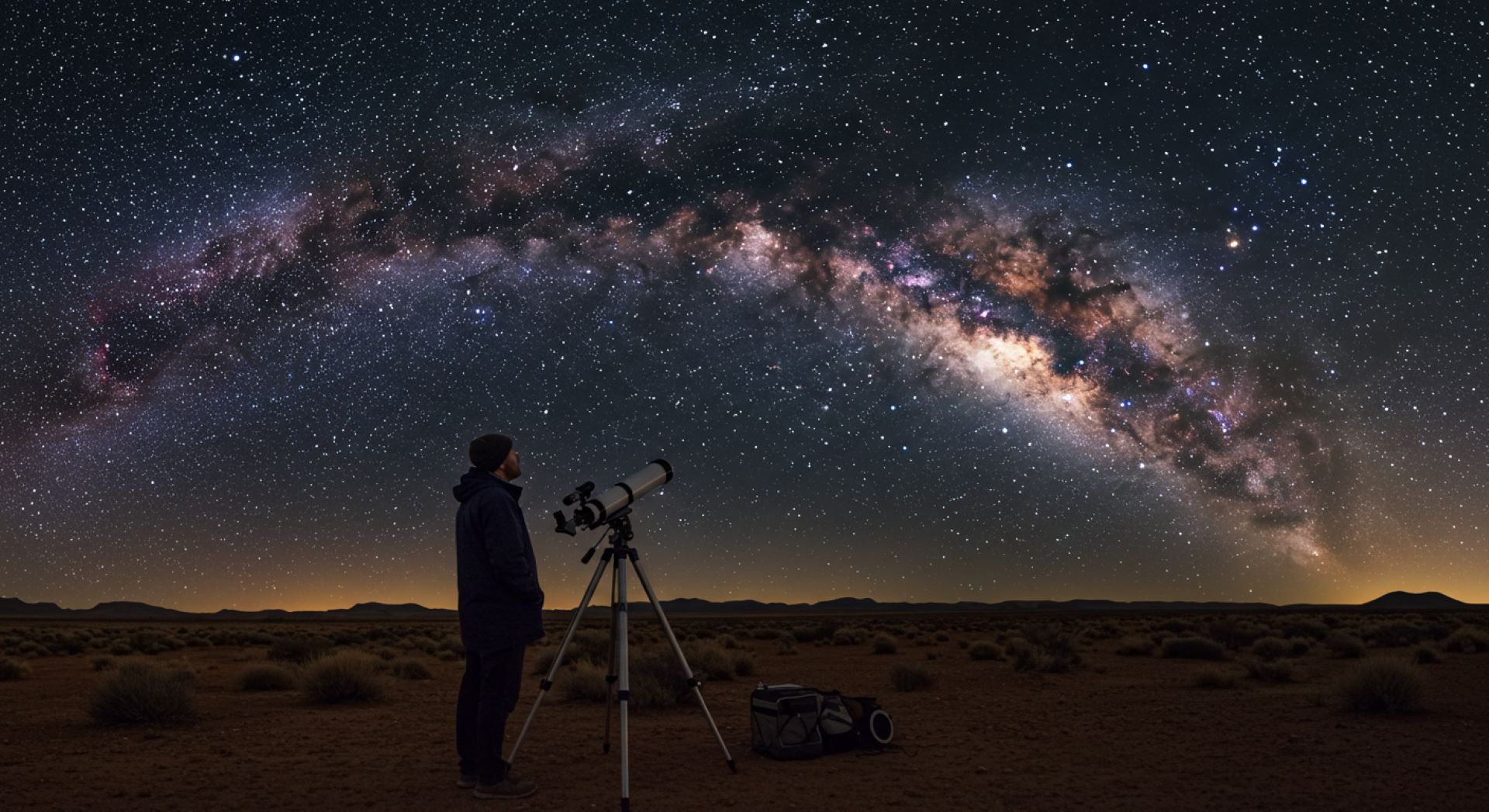
Telescope-Equipped LodgesSome guesthouses around Sutherland and Prince Albert take stargazing seriously. They may provide telescopes (ranging from beginner-friendly to sophisticated equipment), star charts, and cozy blankets so you can observe the heavens without freezing your toes off. Ask about lodging packages that include nighttime guided tours or astro-photography sessions. Waking up the next day to a hearty Karoo breakfast after a late night of stargazing feels downright luxurious.
Farm Stays and CottagesFor a more down-to-earth experience—quite literally—consider staying on a working farm. The Karoo’s farmland is sprawling, scenic, and delightfully isolated. By night, you’ll have minimal light pollution, plus the chance to sample homemade preserves, local lamb dishes, and the general camaraderie of farm life. Many farmers love sharing their knowledge of local lore, from meteor showers to the best vantage points for meteor-spotting. In some cases, the entire family might join you under the stars—kids, dogs, and all!
Local Culture and StargazingThe Karoo’s semi-desert environment and resilient communities have forged a culture of warmth and hospitality. You’ll find small-town festivals that celebrate everything from the region’s frontier history to its cosmic wonders. Keep an eye out for star-themed events, like “Skaap en Sterre” (“Sheep and Stars”) nights, which combine good old-fashioned braai (barbecue) with an evening of amateur astronomy.
Another cultural slice often overlooked is the folklore tied to celestial objects. Long before modern telescopes arrived, the Khoisan people and other indigenous groups wove intricate tales around the stars. You might hear about how the Milky Way formed or why certain constellations appear to chase each other across the sky. These stories offer a glimpse into how the night sky has shaped worldviews for centuries.
Festivals and EventsOccasionally, local tourism boards and astronomy clubs host star parties, where amateurs and professionals gather to share telescopes and knowledge. It’s like Comic-Con for space fans, except the costumes are mostly beanies and scarves. If you time your visit right, you can join these gatherings for a night of stargazing, cosmic photography, and a chance to compare gear with fellow sky enthusiasts.
From hearty farm meals to cultural star lore, the Karoo’s accommodations and local traditions weave a tapestry as vivid as the constellations overhead. You’ll leave not just with a memory card full of photos, but with a richer understanding of how stargazing and local life are intertwined in this remarkable region.
Traveler Tips and Quirky Anecdotes
Sure, the Karoo’s starry nights can steal the show, but a successful trip also hinges on practical prep. Below are some essential tips and light-hearted stories to guide your journey under the cosmic glow:
Pack Layers, Lots of ThemThe Karoo likes to play pranks on unsuspecting visitors. Daytime might feel toasty, but once the sun dips, temperatures can plummet faster than you can say “Where’s my hot chocolate?” Bring everything from T-shirts to thermal underwear. Trust us, your future self, huddling under the stars, will thank you.
Fuel Up—Literally and FigurativelyDistances between towns can be huge, and petrol stations may be few and far between. Fill your tank whenever you get the chance. As for fueling yourself, don’t miss the local Karoo lamb and homemade pies. Quirky anecdote: One traveler reportedly tried a 500-kilometer detour simply to revisit a farm stall for its legendary lamb pie. Talk about gastronomic dedication!
Plan Around Moon PhasesIf your goal is to see the Milky Way in all its shimmering glory, avoid full moon periods. It’s like trying to admire a candle flame at noon. Although a bright moonlit night can be enchanting, it won’t provide the deep sky vistas that have made the Karoo famous.
Mind the Cell Phone CoverageIf you’re hoping to live-stream your cosmic escapades—sorry, star trooper, chances are you’ll be on a (temporary) forced digital detox. Radio-quiet zones near MeerKAT enforce strict limits on signals. This can be a blessing in disguise—focus on making memories, not social media posts.
Interact with LocalsKaroo residents are known for their hospitality and wealth of anecdotes. One local guide loves to regale visitors with the story of his grandmother, who once navigated home by the stars when her car’s GPS failed (or maybe just never existed). Listening to tales of local lore or comedic personal journeys adds a layer of authenticity to your cosmic quest.
Embrace the UnexpectedThe Karoo can throw curveballs—like a sudden gust of wind that rearranges your braai into a charred mess, or a curious meerkat (the furry kind, not the telescope array) that scampers into your camera shot. These unscripted moments often become the best anecdotes. One photographer recalls capturing a time-lapse of the Milky Way, only to realize a tiny creature had photobombed several frames. The resulting images, featuring a cosmic swirl and a fuzzy silhouette, became a viral hit among his friends.
In essence, traveling in the Karoo is part planning, part rolling with the punches—and 100% magical. Pack well, chat with locals, keep your sense of humor handy, and let the cosmic wonders unfold. You’ll walk away with stories as bright as the stars themselves.
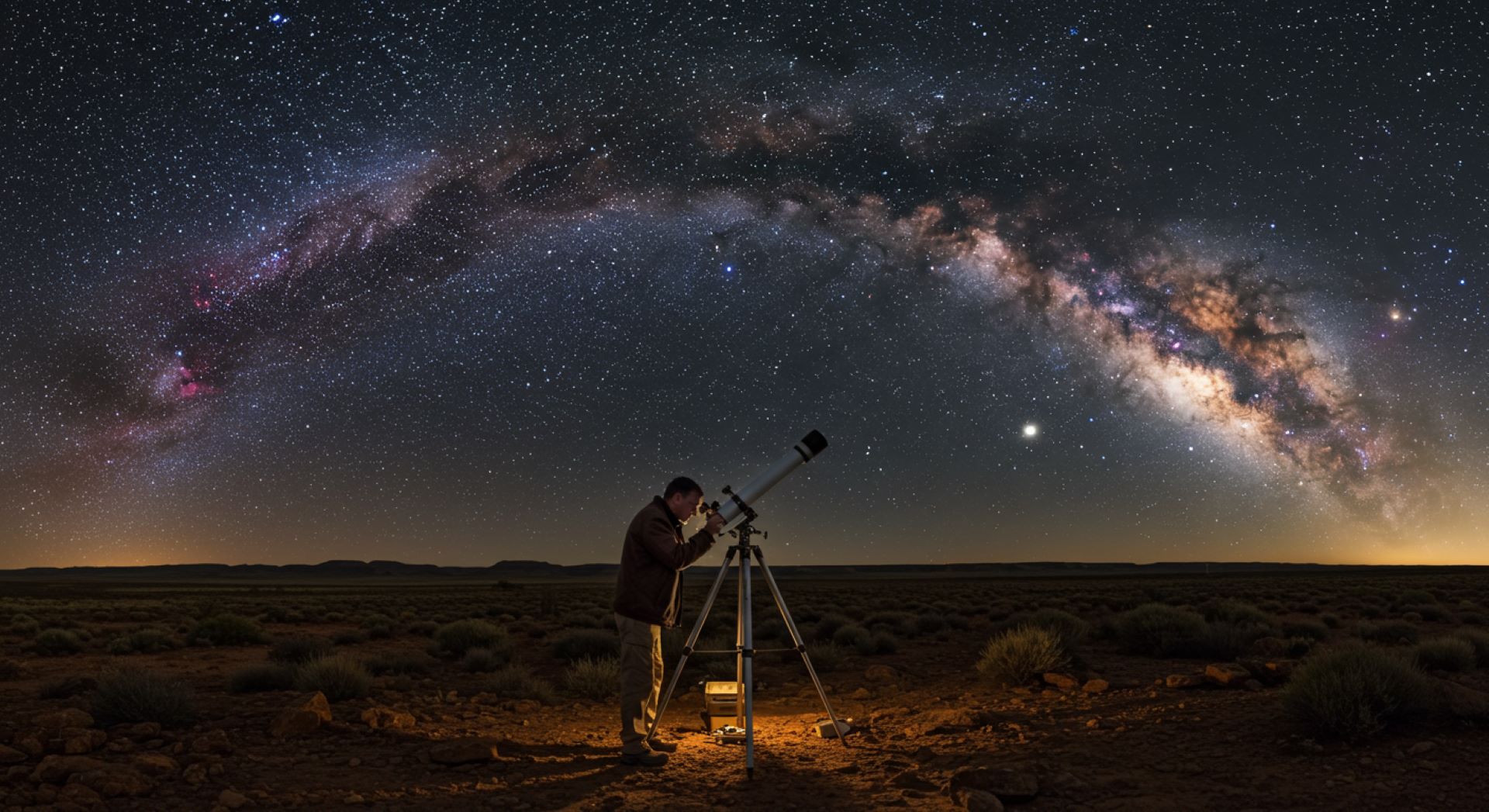
From the shimmering arc of the Milky Way over salt flats and dusty trails, to the futuristic grandeur of telescopes that probe galaxies far, far away, the Karoo is a stargazer’s dream come true. It’s a place where science, folklore, and plain old wonder converge under some of the clearest skies on Earth. Whether you’re crossing continents with a suitcase of camera gear or road-tripping from a neighboring town, the Karoo’s celestial stage is set, waiting to enthrall you with its nightly performance.
Now that you’ve read about the region’s astronomy heavyweights—SALT, MeerKAT, and a constellation of lesser-known observatories—it’s time to plot your own course through the star-speckled Karoo. Perhaps you’ll settle into a farm stay with a telescope on the porch, or maybe you’ll brave the winter chill at Sutherland’s night tours, your breath visible in the frosty air. Whichever path you choose, you’ll find more than stars; you’ll encounter the deep-rooted cultural warmth of local communities, discover quirky legends about the night sky, and maybe even pick up a new hobby in astrophotography or star bathing.
The Karoo whispers a simple invitation: take a leap off the beaten track, gaze up, and be reminded that we’re all part of this vast, mysterious universe. In a place where the Milky Way looks close enough to hug, how could you possibly say no? Pack your curiosity (and some warm socks)—the Karoo’s cosmic wonders await!
Mandla Ndlovu
Reporting from the frontlines of the South African tourism renaissance. Bridging the gap between regional stories and global audiences through elite narrative strategy.