

South Africa is not a destination that sits still. It shifts, breathes, hardens, softens, and reinvents itself as the months roll past. Landscapes change colour and temperament. Wildlife adapts its movements to rain and drought. Coastal towns swell and contract with the tides of holidaymakers. Even the mood of the cities alters, as though the country itself has a memory of what each season demands of it.
To visit South Africa without understanding its seasons is to arrive half-blind. You may still be dazzled, still moved, still stunned into silence by a sunrise over the bush or the sight of the ocean breaking against cliffs. But timing shapes texture. It decides whether a safari feels sparse or cinematic, whether a beach day is languid or blistering, whether a cultural festival erupts around you or remains a quiet echo you just missed.
This is a country where seasons are not background detail but active participants. They determine when the veld smells of rain, when the air turns crisp enough to carry sound for kilometres, when cities spill onto pavements, and when the bush reveals its secrets. Understanding South Africa through the seasons is not about finding a single “best time” to visit. It is about choosing the version of the country you want to meet.
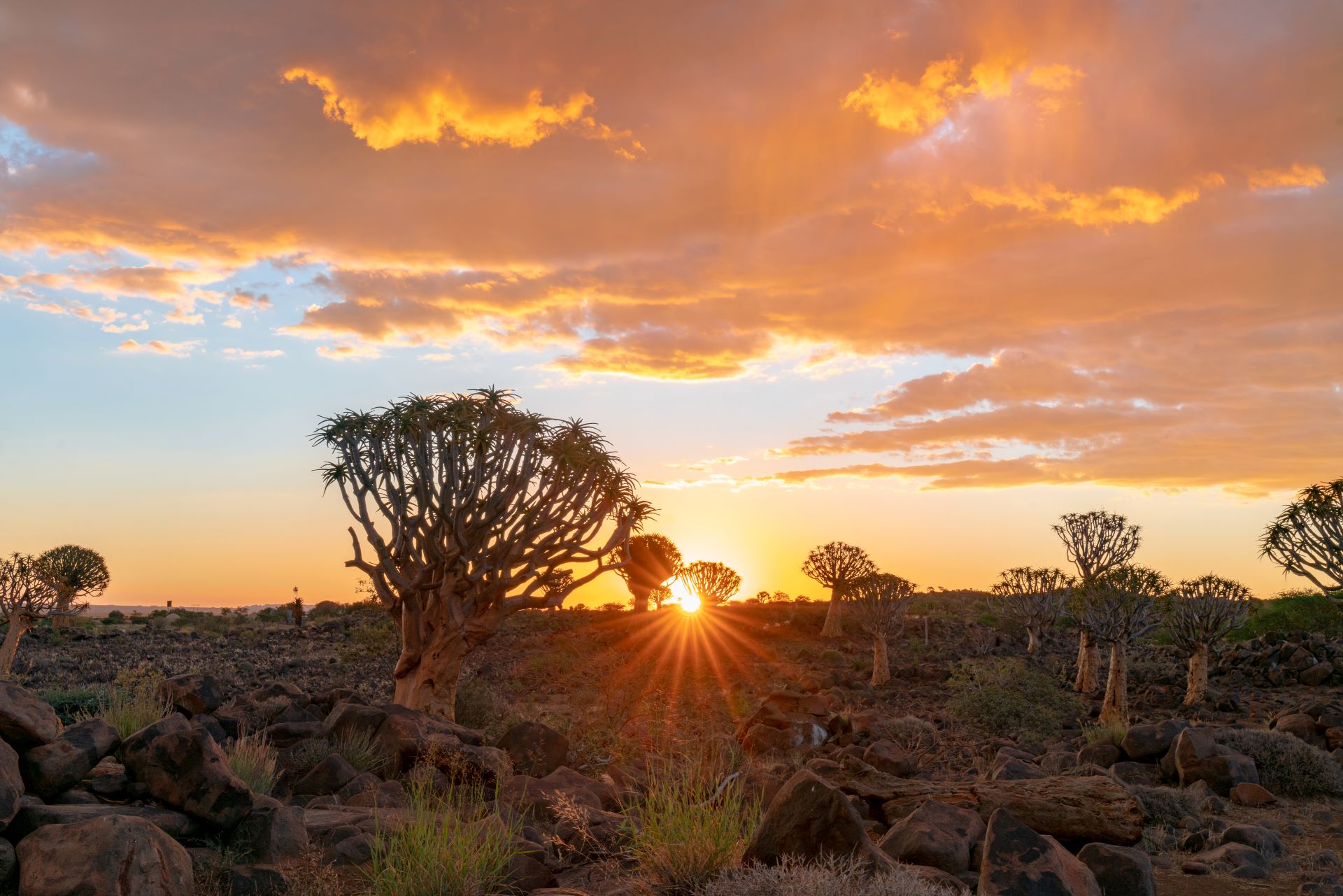
Summer: Heat, Water, and High Energy
South African summer arrives loudly. Thunderheads gather over the Highveld in the afternoons, cracking the sky open with rain that smells of dust and relief. Coastal towns glow with relentless sunshine, and the air along the Indian Ocean feels thick and alive. This is the season of abundance and movement, when the country leans outward and pulses with activity.
For many international visitors, summer coincides with the festive season, when schools close and South Africans flood beaches, national parks, and family homes. Coastal destinations swell with life. Durban hums with humidity and music, while the Eastern Cape coastline offers long stretches of sand broken by small towns that feel suspended between sea and sky. Along the Garden Route, summer days stretch late into the evening, inviting long drives, roadside stops, and impromptu swims.
The bush tells a different story. Summer is the rainy season for much of South Africa’s interior, and the landscape responds with explosive growth. Grass thickens, trees fill out, and the veld turns a lush green that feels almost tropical. Wildlife disperses across the land, no longer tethered to predictable water sources. This can make game viewing more challenging, but it also makes it more intimate. Animals appear unexpectedly, emerging from foliage in moments that feel unscripted and raw.
Birdlife, however, thrives. Migratory species arrive in their thousands, transforming wetlands and riverbanks into theatres of sound and colour. For birdwatchers, summer is a feast. The air is alive with calls, wings, and movement, a reminder that South Africa sits at the intersection of multiple migratory routes.
Culturally, summer is restless. Music festivals, open-air markets, and food events dominate city calendars. Cape Town becomes a study in contrasts, where beaches overflow during the day and galleries, restaurants, and performance spaces pulse at night. Johannesburg’s creative scene thrives in the heat, with pop-up events and rooftop gatherings reflecting a city that never fully sleeps.
Summer demands energy from its visitors. It is not subtle or restrained. It offers long days, loud nights, sudden storms, and a sense that everything is happening at once. For travelers who want South Africa at its most exuberant and untamed, summer delivers with little apology.
Autumn: Balance and Depth
Autumn is South Africa exhaling. The sharp intensity of summer softens, replaced by days that feel measured and calm. The air cools gently, especially in the evenings, and the landscapes begin their slow shift from green to gold. For many seasoned travelers, this is the country at its most harmonious.
In the bush, autumn is transformative. Rainfall tapers off, water sources become more defined, and animals begin to cluster more predictably. Game viewing improves week by week, without the starkness of winter. The light changes too, losing some of summer’s glare and gaining a richness that photographers treasure. Safaris during this period feel contemplative, marked by long sightings and a sense of quiet observation.
The Western Cape enters one of its most celebrated periods. Vineyards prepare for harvest, and wine towns come alive with activity that blends work and celebration. The pace remains relaxed, but there is a palpable sense of purpose in the air. Wine festivals and harvest events offer visitors a chance to engage with local culture in ways that feel grounded rather than performative.
Autumn is also ideal for exploration beyond the usual tourist circuits. Hiking trails in the Drakensberg and Cederberg become more accessible as temperatures drop. Coastal drives feel unhurried, and smaller towns reveal themselves without the crowds of peak summer. This is the season for travelers who value texture over spectacle, who want to move slowly and absorb detail.
Cultural events during autumn tend to be smaller and more focused. Literary festivals, local arts gatherings, and community celebrations offer insight into South Africa’s layered identity. There is space for conversation, reflection, and connection. Autumn does not demand attention. It rewards patience.
Winter (June to August): Clarity and Contrast
Winter in South Africa confounds expectations. Snow occasionally dusts mountain peaks, frost settles on inland grasslands, and mornings in the bush can be startlingly cold. Yet days are often clear and bright, with sunlight that feels sharp and precise. It is a season defined by contrast, both climatic and experiential.
For wildlife enthusiasts, winter is unmatched. Vegetation thins, water becomes scarce, and animals congregate around rivers and waterholes. In reserves like Kruger National Park and the private concessions that border it, game viewing reaches its peak. Sightings are frequent and dramatic, unfolding against landscapes stripped to their essential forms.
Predators become easier to track, and long-distance visibility allows guides to anticipate movement with remarkable accuracy. Safaris during winter feel cinematic, driven by narrative and anticipation. The absence of summer’s humidity also makes extended game drives more comfortable, allowing visitors to remain immersed for longer stretches of time.
Along the coast, winter reveals a different spectacle. Southern right whales migrate close to shore, particularly along the Western Cape coastline. Towns like Hermanus transform into vantage points for one of nature’s most awe-inspiring displays. The sight of a whale breaching against a grey-blue sea is unforgettable, made more powerful by the stark beauty of the season.
Cities adapt in their own way. Cape Town embraces winter with festivals, exhibitions, and a culinary scene that leans into comfort and creativity. Johannesburg’s cultural calendar continues unabated, often shifting indoors but losing none of its intensity. Winter is a time when urban South Africa feels introspective, focused, and deeply expressive.
For travelers who seek clarity and definition, winter offers South Africa in high resolution. It strips away excess and reveals structure, pattern, and story.
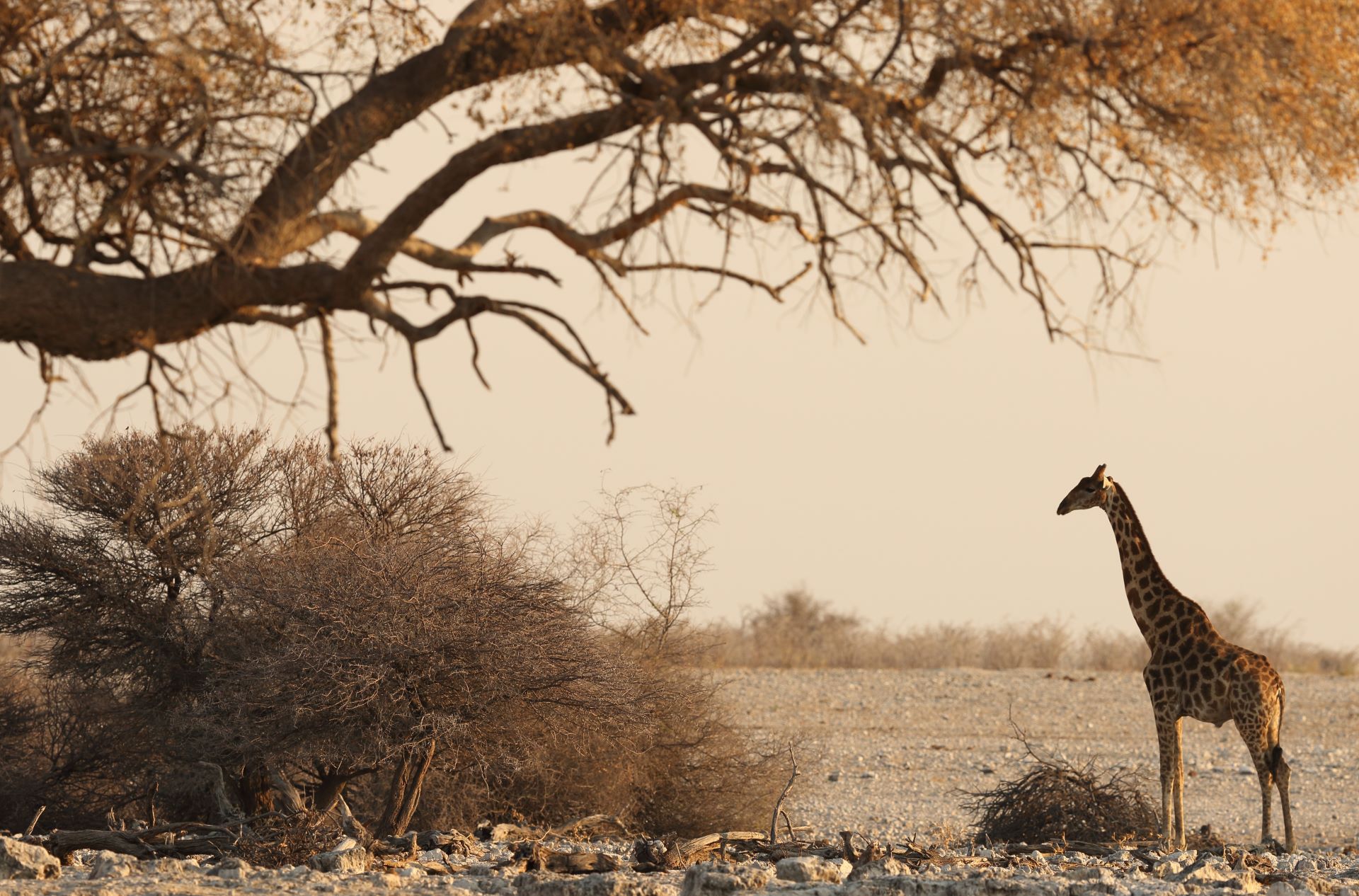
Spring: Renewal and Movement
Spring arrives gently, then all at once. Buds appear on trees, grasses green overnight, and the air fills with the scent of growth. It is a season of transition, where the restraint of winter gives way to anticipation and motion.
One of spring’s most celebrated phenomena occurs in Namaqualand, where wildflowers blanket the arid landscape in an explosion of colour. For a brief window, the land defies expectation, transforming into a vivid mosaic that draws visitors from around the world. This natural event is fleeting, unpredictable, and profoundly moving.
In the bush, animals respond to changing conditions with renewed activity. Migratory birds return, newborns appear, and the cycle of life feels immediate and visible. Game viewing remains strong, and the softening light lends a dreamlike quality to early morning and late afternoon drives.
Spring weather is forgiving. Temperatures rise without becoming oppressive, and outdoor activities feel effortless. This is an ideal time for travelers who want variety, combining safari experiences with coastal exploration or urban discovery. Hiking, cycling, and scenic drives all benefit from the season’s balance.
Culturally, spring marks a reawakening. Festivals celebrating art, heritage, and food emerge across the country, often blending traditional elements with contemporary expression. Cities feel buoyant, energized by the promise of summer ahead.
Spring captures South Africa in motion. It is neither restrained nor overwhelming, offering a sense of momentum that carries visitors forward.
Wildlife Through the Year
Wildlife is one of South Africa’s greatest draws, and its rhythms are inseparable from the seasons. Each period offers a different lens through which to observe the natural world.
Summer showcases abundance and diversity. Autumn brings focus and depth. Winter delivers drama and clarity. Spring reveals renewal and possibility. There is no singular “best” time for wildlife viewing, only the time that aligns with what you want to witness.
For those seeking iconic Big Five encounters, winter and early autumn provide the most reliable conditions. For birdwatchers and photographers interested in colour and movement, summer and spring offer unmatched rewards. Understanding these cycles allows travelers to tailor their experience with intention rather than chance.
Weather and Regional Nuance
South Africa’s size and geographical diversity mean that seasons express themselves differently across regions. The Western Cape follows a Mediterranean pattern, with wet winters and dry summers. The interior experiences summer rainfall and dry winters. Coastal regions vary further, influenced by ocean currents and altitude.
This complexity allows for strategic travel planning. It is possible to escape winter rain in the Cape by heading north to the bush, or to avoid summer heat inland by retreating to the coast. For visitors willing to move, South Africa offers year-round opportunity.
Cultural Calendars and Seasonal Identity
Culture in South Africa is deeply seasonal, shaped by history, climate, and community rhythms. Festivals, commemorations, and public events align with the year’s natural flow. Understanding this calendar adds depth to any visit.
Summer celebrates abundance and expression. Autumn honours harvest and reflection. Winter turns inward, emphasizing craft and creativity. Spring rejoices in renewal and heritage. Each season reveals different facets of South African identity, from exuberant celebration to quiet resilience.
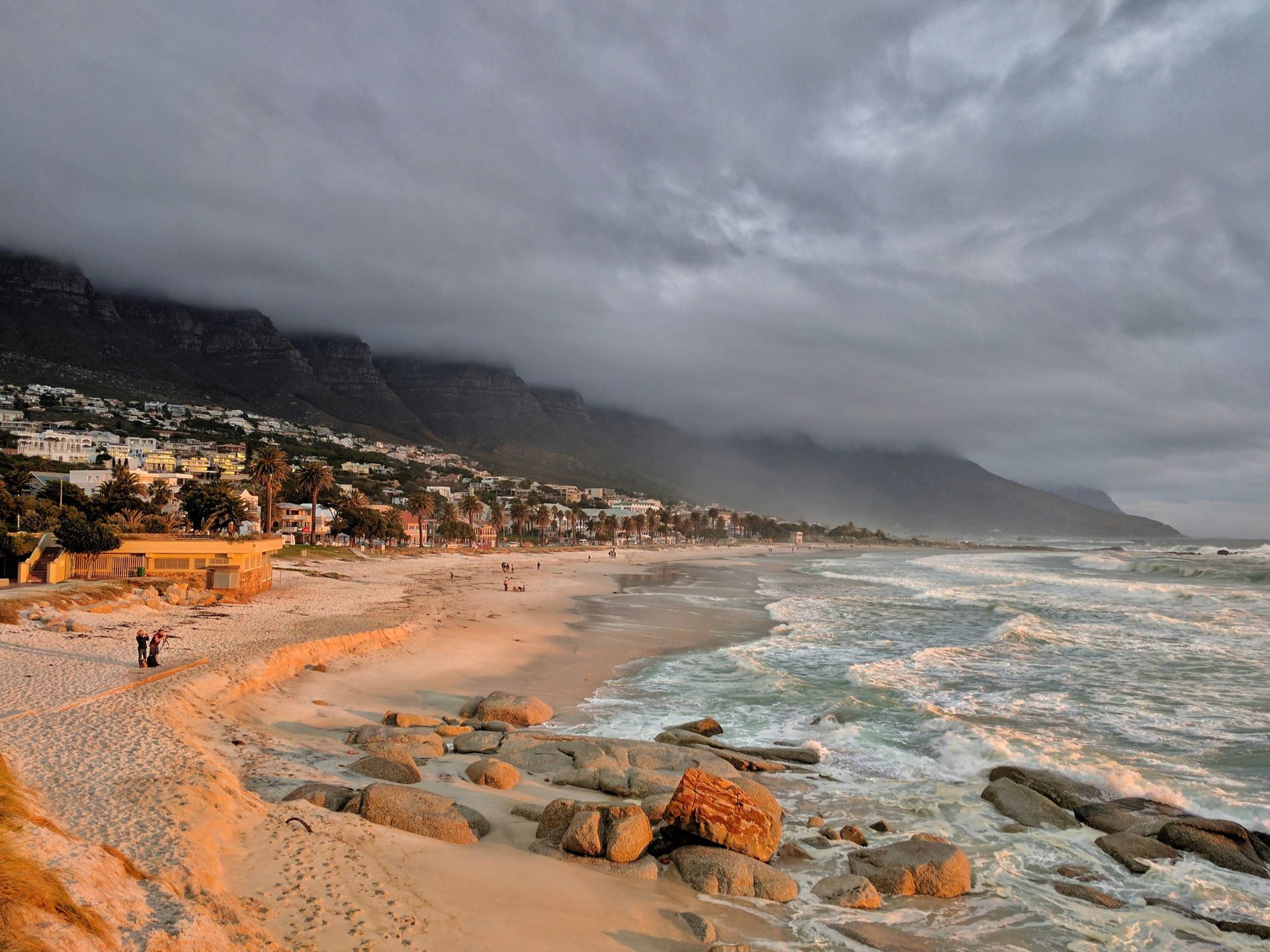
Choosing Your Season
The question is not when South Africa is at its best, but when it is best for you. Adventure seekers may thrive in summer’s intensity. Wildlife purists may gravitate toward winter’s clarity. Cultural explorers may find autumn and spring most rewarding.
South Africa does not demand that you see everything at once. It invites return, offering new experiences with each season. Every visit becomes part of a longer conversation, shaped by time and timing.
A Country Shaped by Time
South Africa through the seasons is not a checklist. It is a narrative, unfolding month by month, year after year. Its landscapes, wildlife, and cultures are not static attractions but living systems, responsive to rain, heat, light, and human movement.
To travel here with awareness of the seasons is to engage with the country on its own terms. It is to listen as much as to look, to wait as much as to move. In doing so, visitors discover that South Africa does not simply change with the seasons. It reveals itself through them.
And if you time it right, it leaves you changed too.
Mandla Ndlovu
Reporting from the frontlines of the South African tourism renaissance. Bridging the gap between regional stories and global audiences through elite narrative strategy.