

The Allure of the Unseen South Africa
When most travelers think of South Africa, images of Kruger National Park’s golden savannahs and Table Mountain’s iconic flat-top silhouette immediately spring to mind. These destinations, deservedly celebrated, are the crown jewels of South African tourism, drawing visitors from around the world. Yet, to truly understand the depth and diversity of this remarkable country, one must venture beyond the well-trodden paths. Away from the bustling safari lodges and cable car queues lies a South Africa of quiet grandeur—a land where time slows, landscapes whisper stories of ancient geology, and nature thrives in secretive splendor. Here, the hidden wonders invite exploration not just of the land, but of the self, offering moments of profound connection and discovery.
The essence of South Africa’s hidden landscapes lies in their ability to surprise. One moment, you find yourself traversing a seemingly barren plain, the next, you are enveloped in a kaleidoscope of rock formations shaped over millennia. These spaces offer a rare intimacy, a sense that the land exists for those who are willing to seek it out. Unlike the polished tourism corridors, these hidden regions maintain their authenticity; they are not curated for social media snapshots, nor are they packaged into convenient itineraries. They demand curiosity, a willingness to wander off the beaten track, and a sensitivity to the subtleties of the environment—from the whispering winds of the Karoo to the rhythmic pounding of waves along untamed coastlines.
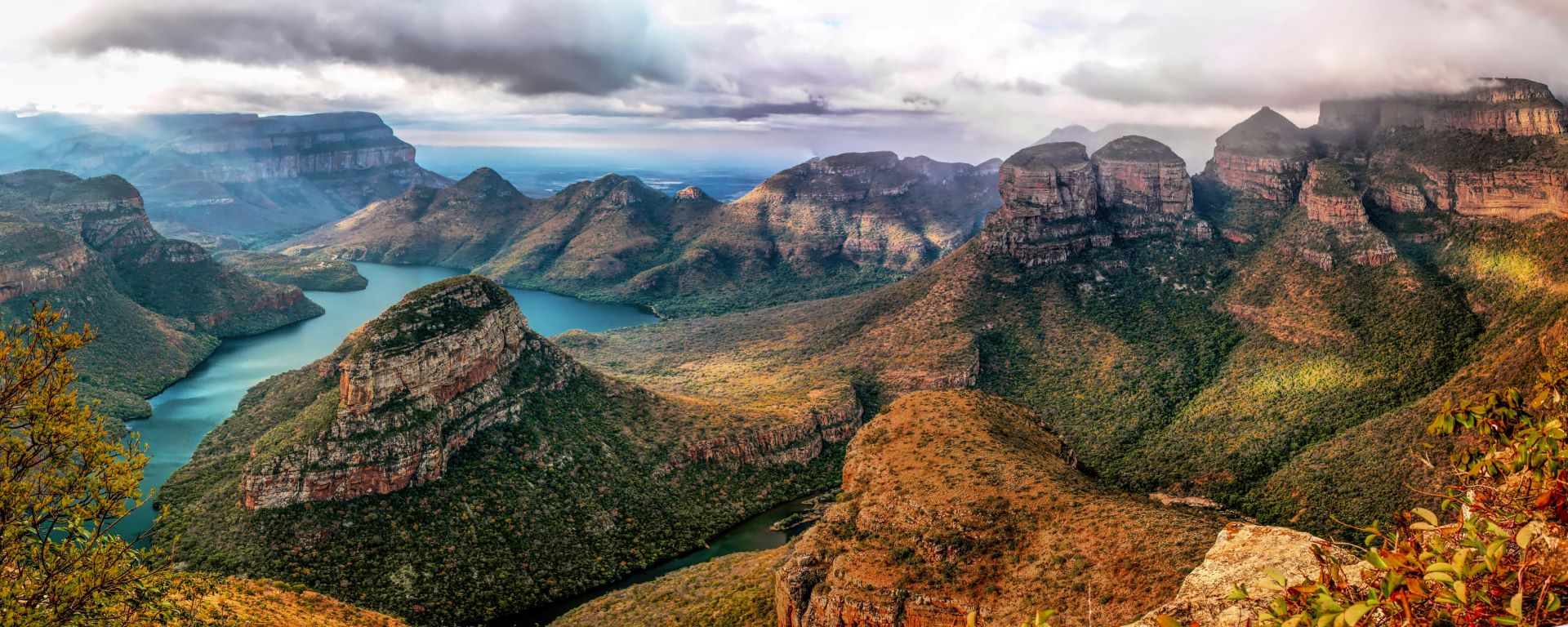
One of the most enchanting aspects of exploring South Africa’s lesser-known natural sites is the interplay of scale and perspective. The Blyde River Canyon, for instance, is one of the largest green canyons in the world, yet it rarely commands the same attention as the country’s iconic landmarks. As you navigate its winding roads and viewpoints, the enormity of the gorge becomes a visceral experience. Verdant cliffs rise dramatically, punctuated by waterfalls cascading into emerald pools, while the river below meanders through the canyon with serene persistence. Here, every bend reveals a new panorama, each more breathtaking than the last, challenging perceptions of what constitutes a “grand” landscape.
Equally captivating are the Cederberg Mountains, where the interplay of geology and human history creates an otherworldly sense of place. These rugged formations, carved from sandstone over millions of years, are adorned with ancient San rock art, some of which dates back thousands of years. Standing before these depictions of eland, hunters, and mythical creatures, one is struck by the continuity of human presence in harmony with the natural world. The rocks themselves are sculptural masterpieces, with ochre and sandstone hues shifting with the sun’s trajectory. Morning light paints a gentle glow across ridges and peaks, while dusk casts long shadows that stretch across valleys, evoking a contemplative stillness.
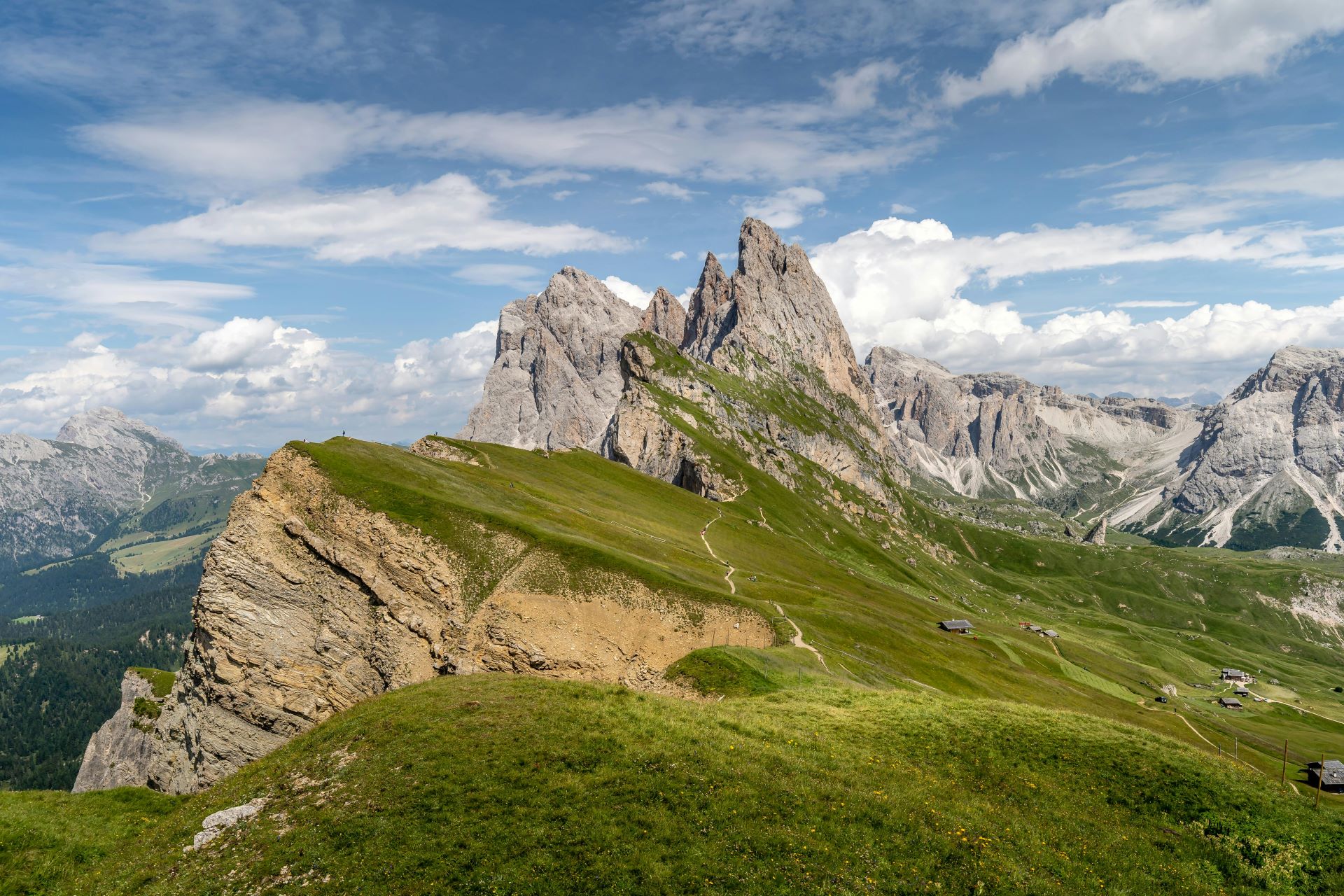
Beyond the mountains and canyons, the vast expanses of the Karoo offer a different, equally compelling allure. Its semi-arid plains seem at first glance to be barren, but closer observation reveals a rich tapestry of flora and fauna adapted to the harsh conditions. Wildflowers burst forth in spectacular displays after seasonal rains, and the horizon stretches uninterrupted, offering a sense of solitude rarely found in more frequented destinations. Perhaps the most profound gift of the Karoo is its night sky. Free from light pollution, the stars emerge in astonishing clarity, creating a celestial canopy that can feel almost tangible. Observing the Milky Way arc overhead, with shooting stars and constellations stretching from horizon to horizon, one experiences an intimacy with the cosmos that is profoundly humbling.
Hidden natural wonders also possess a subtle sense of discovery that is deeply personal. Unlike crowded tourist attractions, where experiences are shared with hundreds of strangers, exploring these secluded landscapes often feels like uncovering a secret that the world has long kept. There is a meditative quality to hiking along a remote trail, where the rhythm of footsteps, the rustle of leaves, and the occasional cry of a distant bird become the soundtrack of the journey. In these moments, the external and internal landscapes converge, inviting reflection and quiet awe. Travelers often find that the value of these experiences is measured not in photographs or souvenirs, but in the intangible impressions etched into memory—the scent of fynbos carried on the wind, the crystalline clarity of a hidden waterfall, the unexpected encounter with a herd of springbok grazing in the early morning light.
Accessibility to these hidden gems is often part of their charm. They require effort, planning, and a spirit of adventure. Unlike mainstream destinations where amenities abound, visitors to these areas embrace a sense of self-sufficiency. Lodging ranges from eco-lodges and farm stays to campsites tucked away in valleys or atop plateaus. Meals may be prepared over open fires or sourced from local communities, creating opportunities for connection with the land and its people. The journey itself becomes part of the experience—driving winding mountain passes, following unmarked trails, and navigating terrain that demands attention and respect. These challenges enhance the reward, providing a richer, more immersive encounter with South Africa’s natural beauty.
Another compelling aspect of South Africa’s hidden landscapes is their capacity to challenge preconceptions. Visitors may arrive expecting barren deserts or intimidating wilderness, only to find lush microclimates, sparkling waterfalls, and ecosystems teeming with life. The Cederberg, for instance, houses fynbos species endemic to the region, many of which display intricate adaptations to survive the arid conditions. In the Blyde River Canyon, cliffs carved from red quartzite and dolomite support plant and animal species found nowhere else on the planet. Such ecological uniqueness underscores the importance of preserving these landscapes, not merely as tourist destinations, but as vital reservoirs of biodiversity.
Cultural layers also enrich these hidden spaces. Indigenous histories, colonial encounters, and local folklore all intersect with the natural environment, giving each landscape a narrative depth that complements its visual splendor. In the Cederberg, San rock art provides a direct line to human expression from millennia past, while in the Karoo, historical farmsteads and trading posts offer glimpses into colonial settlement patterns and adaptations to harsh conditions. Engaging with these cultural elements enhances the sense of connection, allowing travelers to experience the land not as passive observers, but as participants in an ongoing story that bridges time and space.
Ultimately, the allure of South Africa’s hidden natural wonders lies in their ability to transform the act of travel into something more than a checklist of sites. They demand curiosity, reward patience, and cultivate a sense of wonder that lingers long after the journey ends. Whether standing at the edge of a canyon, tracing the intricate lines of ancient rock art, or gazing at a pristine night sky, travelers encounter not only the physical landscape but also an emotional resonance that speaks to the heart of human experience. These landscapes remind us that the world’s most profound beauty is often found in places off the map, where discovery is measured not by crowds or amenities, but by the depth of engagement and the richness of perception.
In the sections to follow, we will journey through specific examples of South Africa’s hidden natural wonders, delving into the geology, ecology, and experiences that make each one remarkable. From rugged mountains and dramatic canyons to deserts alive with color and skies ablaze with stars, these landscapes beckon those willing to look beyond the familiar, offering encounters that are at once extraordinary and deeply personal. They invite travelers to redefine what it means to experience South Africa, shifting focus from iconic landmarks to the profound intimacy of its lesser-known realms. In doing so, they reveal a country that is infinitely more complex, diverse, and enchanting than the images that dominate postcards and travel guides.
The Blyde River Canyon and Surrounding Lowveld Wonders
Carved by the patient persistence of water over millennia, the Blyde River Canyon is one of South Africa’s most dramatic landscapes, yet it often exists in the shadow of more famous destinations. Stretching over 25 kilometers and plunging to depths of nearly 800 meters, it is one of the largest green canyons on the planet. Unlike its arid counterparts, the Blyde River Canyon is a verdant spectacle, where the lush vegetation stands in stark contrast to the exposed red and gold rock faces, creating a striking tapestry of color, texture, and form. The canyon is not simply a visual marvel; it is a living ecosystem, home to endemic plant species, elusive antelope, and an array of birdlife that delights even the most seasoned observer.
The journey into the canyon begins along the R532, a scenic route that winds its way through the Lowveld, offering glimpses of cascading waterfalls and panoramic viewpoints that hint at the scale and grandeur ahead. Each turn unveils a new perspective—mighty cliffs, forested ridges, and river bends that shimmer like liquid silver under the sun. Among the most iconic viewpoints is God’s Window, where the escarpment falls away to reveal an endless expanse of rolling hills, mist-laden valleys, and distant mountains. From here, it is easy to grasp the interplay of geology and hydrology that has shaped the region, and to sense the deep, almost spiritual resonance that such vistas evoke.
The canyon is a haven for hikers and outdoor enthusiasts. Trails range from leisurely walks that meander along the canyon rim to challenging routes that descend into the gorge, each offering unique encounters with the landscape. Hiking along the Le Dieu or Blyderivier hiking trails, one is immersed in a world where every step reveals another hidden feature: a fern-fringed pool tucked beneath a cliff, a rare bird perched on a rocky outcrop, or a panoramic sweep of the river as it carves its way through the canyon floor. The soundscape is equally compelling—the rush of water, the rustle of leaves in the wind, and the distant call of a fish eagle combine to create a soundtrack that is both soothing and exhilarating.
The canyon’s biodiversity is remarkable. Its combination of altitude, microclimates, and varied geology creates conditions for an array of flora rarely found together elsewhere. Indigenous trees such as the Outeniqua yellowwood and various species of protea thrive alongside ferns and mosses that cling to shaded, moisture-rich cliffs. In the drier, sun-exposed areas, aloe and succulent species bloom with striking colors after seasonal rains, offering a visual feast that changes with the rhythm of the seasons. For wildlife enthusiasts, the canyon provides a chance to encounter creatures that are more often glimpsed than observed: vervet monkeys hopping across rock faces, klipspringers balancing precariously on ledges, and the occasional sighting of the elusive bushbuck. Birdwatchers find the canyon particularly rewarding, with species ranging from the majestic bateleur eagle to delicate sunbirds, each contributing to the canyon’s rich avian tapestry.
Water is the lifeblood of the Blyde River Canyon, and its influence is visible at every turn. The river meanders through the gorge, feeding waterfalls, pools, and lush riverine forests. Notable among these is the Berlin Falls, a spectacular drop that plunges nearly 70 meters, and the Lisbon Falls, which tumbles gracefully into a deep basin. These cascades are not merely scenic; they sustain a network of life, from freshwater fish to amphibians and insects, creating a microcosm of ecological interactions that thrive amid the cliffs and forests. Kayaking and canoeing expeditions on calmer stretches of the river provide an alternative perspective, allowing visitors to appreciate the canyon’s scale and serenity from the water itself.
Beyond the immediate beauty of the canyon, the surrounding Lowveld offers additional hidden wonders. The Pinnacle, a striking quartzite column rising dramatically from the forest floor, exemplifies the region’s geological diversity, while the Three Rondavels—three cliff faces resembling traditional African homesteads—stand as natural monuments visible from various points along the canyon rim. These formations are not only visually arresting but are steeped in local folklore, adding a narrative dimension to the landscape. Engaging with these stories—whether shared by guides, local communities, or interpreted on walking trails—enhances the sense of place and transforms a simple visit into a layered cultural experience.
The Blyde River Canyon is also a canvas for seasonal transformation. Spring and summer see the canyon awash with color, as wildflowers bloom in hidden nooks and watercourses swell with rainfall. Autumn brings a more muted palette, with golden tones accentuating the contours of cliffs and valleys. Winter, though cooler, offers a rare clarity, where crisp air and clear skies afford panoramic views across the Lowveld, and the absence of humidity allows every detail of the canyon’s rugged beauty to stand in sharp relief. Photographers, artists, and writers alike find inspiration in these subtle shifts, where each season reframes the canyon’s aesthetic and invites fresh interpretations of its majesty.
For those seeking an immersive experience, local guides and eco-lodges facilitate a deep connection with the landscape. These experiences go beyond sightseeing, offering insight into the ecological systems, history, and cultural significance of the canyon. Guided hikes often include botanical lessons, explanations of geological formations, and storytelling that traces the human imprint on the land from early San inhabitants to contemporary rural communities. Overnight stays at lodges tucked into the canyon’s periphery allow travelers to witness the transition from day to night, to hear the nocturnal chorus of wildlife, and to awaken to mist rising from the river below—a sensory immersion that is impossible in more conventional tourist settings.
Sustainable tourism initiatives are increasingly important in preserving the integrity of the Blyde River Canyon. Efforts to minimize environmental impact, from controlled trail access to community-led conservation programs, ensure that this hidden gem remains pristine for future generations. Engaging with these initiatives offers travelers the chance to contribute meaningfully to conservation, whether by participating in volunteer programs, supporting local artisans, or choosing eco-conscious accommodations. This ethical dimension enriches the travel experience, transforming it from passive observation to active stewardship of the natural world.
Ultimately, the Blyde River Canyon exemplifies the power of South Africa’s hidden landscapes to inspire awe and reflection. Its combination of geological drama, ecological richness, and cultural resonance creates a multidimensional experience that is simultaneously exhilarating and contemplative. Unlike destinations defined by crowd size or commercial visibility, the canyon rewards those willing to slow down, to look more closely, and to engage fully with the environment. It is a place where every viewpoint, trail, and river bend offers a new story, a fresh perspective, and an enduring memory.
As we move beyond the canyon into the surrounding Lowveld, the sense of discovery continues. Hidden waterfalls, secluded hiking trails, and quiet forest groves await those who seek them, each contributing to a mosaic of experiences that showcase the region’s diversity and vitality. In this landscape, adventure is intimate, and connection with nature is profound. Travelers leave not merely with photographs, but with a deepened appreciation for the rhythms of the land, the intricacies of its ecosystems, and the quiet magic that defines South Africa’s lesser-known natural wonders.
The Cederberg Mountains and San Rock Art
Nestled in the Western Cape, the Cederberg Mountains rise with a rugged elegance that contrasts sharply with the rolling vineyards and coastal plains that often dominate images of South Africa. Less frequented than Table Mountain, the Cederberg remains a haven for those who seek solitude, natural artistry, and the intersection of human history and geology. Towering sandstone cliffs, jagged ridges, and labyrinthine valleys create a dramatic backdrop that feels simultaneously ancient and immediate, a testament to the transformative power of wind, water, and time.
The mountains’ defining characteristic is their sandstone formations, which have been sculpted over millions of years into an extraordinary array of shapes—pillars, arches, and cones that seem almost impossibly balanced. Names like “Wolfberg Arch” and “Klipgat Cave” evoke the grandeur and mystery of these geological masterpieces. Walking among these formations, one is struck by their scale and subtlety: the way sunlight softens rough edges in the morning, casts dramatic shadows in the afternoon, and transforms the cliffs into glowing ochre in the golden hour before dusk. Every step through these mountains feels like a negotiation with time itself, where the past is palpable in the stones beneath one’s feet.
The Cederberg is more than a geological wonder; it is a living, breathing ecosystem. Its unique fynbos biome supports a remarkable variety of endemic plant species, many of which bloom in vivid colors following the winter rains. The scent of wild rosemary and buchu carries on the wind, mingling with the earthy aroma of sandstone and the crispness of mountain air. For birdwatchers, the mountains are a paradise: Cape sugarbirds flit among proteas, black eagles soar above peaks, and the elusive rock kestrel patrols cliff faces with meticulous precision. Even the small creatures—vervet monkeys leaping across boulders, tortoises sunning on exposed rocks, and shy dassies navigating crevices—contribute to the sense that life thrives in harmony with the harsh yet beautiful terrain.
Perhaps the most profound draw of the Cederberg lies in its cultural and historical significance. The mountains are home to one of the richest concentrations of San rock art in South Africa. These paintings, etched and painted on sheltered cliff faces, provide a window into the lives, beliefs, and spiritual practices of the San people, some of which date back thousands of years. The depictions of eland, hunters, mythical creatures, and ritualistic scenes are not mere representations—they are narratives of survival, cosmology, and identity, preserved across centuries in pigments derived from natural minerals. Standing before these artworks, visitors are struck by a sense of continuity, the awareness that human beings have engaged with this landscape in deeply meaningful ways long before modern civilization arrived.
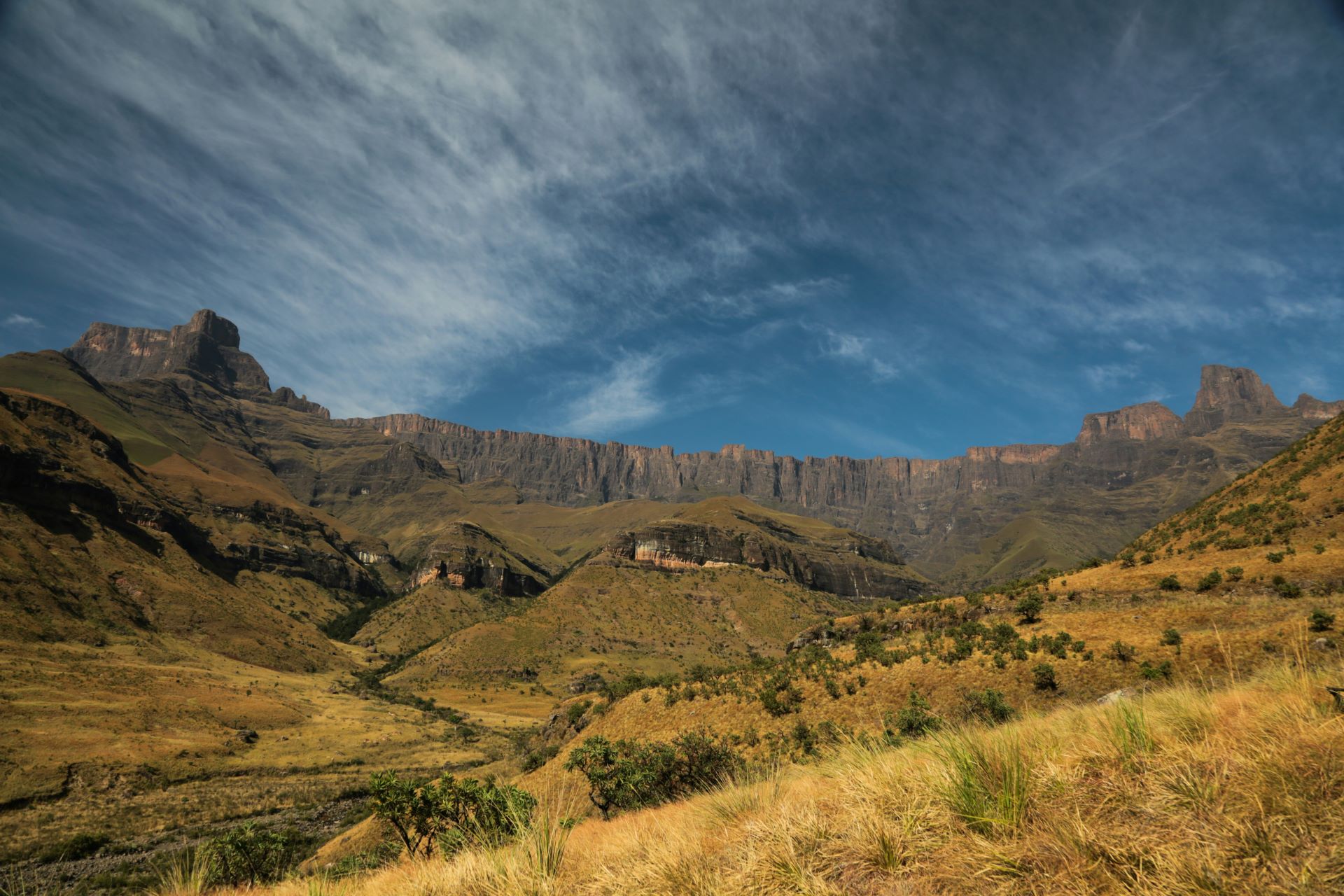
Guided tours of the Cederberg’s rock art sites reveal layers of interpretation that are often missed by casual observation. Experienced guides point out details in the brush strokes, the choice of colors, and the symbolic significance of recurring motifs. Some paintings are believed to have been used in trance rituals, aimed at invoking game animals or connecting with ancestral spirits. Others appear to document communal life, hunting strategies, and the rhythms of seasonal cycles. Each site tells a story, and together they form a complex, interwoven tapestry of human interaction with the natural environment. For travelers, this fusion of art, culture, and ecology creates a depth of experience that transcends the purely visual.
Exploring the Cederberg is as much about movement as observation. Hiking trails vary from gentle strolls to challenging multi-day treks that traverse mountain ridges, secret valleys, and remote caves. The Wolfberg Cracks, a labyrinth of narrow fissures and towering walls, provides both physical challenge and a sense of discovery, while more accessible paths such as the Maltese Cross trail offer panoramic views of valleys and ridges. Along these paths, hidden waterfalls—like the Sanddrif or Waterval—provide moments of serene respite, their crystal-clear pools inviting hikers to pause, reflect, and immerse themselves in the elemental beauty of the mountains.
The region’s remoteness is part of its charm. Unlike more popular tourist destinations, the Cederberg encourages a slower, more deliberate pace. Eco-lodges, mountain cabins, and campsites blend seamlessly into the landscape, providing accommodation that respects the natural environment while offering comfort and immersion. Meals often feature local ingredients, and interactions with small, surrounding communities add a human dimension to the wilderness experience. Travelers leave not only with memories of dramatic vistas and ancient art but with a sense of having engaged meaningfully with a landscape that demands curiosity, patience, and respect.
Stargazing in the Cederberg is another transformative experience. The mountains’ isolation from urban centers and their high-altitude vantage points make for some of the clearest night skies in South Africa. On moonless nights, the Milky Way stretches in luminous detail across the heavens, and constellations familiar from childhood stories take on a sharp, almost tactile clarity. The sense of scale—the enormity of the universe above juxtaposed against the enduring permanence of the mountains below—invites reflection on time, nature, and human place within it. For photographers, amateur astronomers, or anyone with a penchant for wonder, this nocturnal spectacle is an unforgettable highlight of the journey.
Water, though scarce compared to the verdant Lowveld, plays a crucial role in the Cederberg’s ecosystems. Seasonal streams and rock pools support endemic species and provide vital resources for animals. The sound of water trickling through rock crevices creates a soothing counterpoint to the stark, angular rock formations, adding an auditory dimension to the sensory experience. During the summer months, these pockets of water become vital lifelines, sustaining fynbos, birds, and mammals alike, while offering travelers moments of quiet contemplation and respite from the physical demands of hiking.
Another hidden treasure within the Cederberg is its floral diversity. Beyond the iconic proteas and ericas, travelers may encounter endemic succulents and wild orchids, each adapted to the nutrient-poor sandstone soils and challenging climate. The timing of one’s visit transforms the perception of the landscape: winter rains bring a muted, contemplative palette, while spring ignites a riot of color that carpets valleys and clings to cliffs. This cyclical rhythm of renewal underscores the resilience of the ecosystem and serves as a reminder of nature’s enduring adaptability.
Finally, the Cederberg Mountains exemplify how hidden natural wonders can intertwine the geological, ecological, and cultural dimensions of a landscape. Here, the striking sandstone formations, endemic flora and fauna, ancient rock art, and remote hiking trails coalesce into a holistic experience of discovery. Unlike crowded tourist sites, the Cederberg invites travelers to slow down, observe carefully, and engage deeply. Each visit becomes a personal journey, one that challenges assumptions, nurtures curiosity, and leaves a lasting imprint on memory and imagination.
The Karoo and its Starry Skies
Stretching across the heart of South Africa, the Karoo is a semi-arid expanse that defies conventional notions of beauty. To the uninitiated, its vast plains and seemingly barren terrain may appear harsh and unyielding. Yet for those willing to look closer, the Karoo reveals a subtle, almost hypnotic charm: a landscape shaped by millennia of wind and drought, where geological contours, endemic flora, and resilient wildlife converge in a delicate, harmonious balance. It is a place where stillness dominates, where the horizon stretches endlessly, and where time is measured less by the ticking of a clock and more by the movement of sun, wind, and stars.
The Karoo’s defining characteristic is its scale. Rolling plains and gently undulating hills extend to the horizon, interrupted only by rugged koppies, dry riverbeds, and solitary farmsteads. This openness imparts a rare sense of freedom and perspective. Observing a herd of springbok or gemsbok grazing against the vast backdrop of muted earth tones reinforces the intimate connection between life and land. Each animal, adapted to the sparse resources, embodies resilience and ingenuity, traits mirrored by the human communities that have made the Karoo home for centuries.
Flora in the Karoo is a masterclass in survival. Succulents, aloes, and hardy shrubs thrive in nutrient-poor soil and extreme temperature fluctuations, producing a landscape both austere and enchanting. In spring, following the seasonal rains, the plains explode with color: carpets of wildflowers bloom in bursts of purples, yellows, and reds, transforming the arid terrain into a painterly mosaic. Each species tells a story of adaptation—how plants store water, protect themselves from herbivores, and survive under intense sunlight. For botanists and nature enthusiasts, the Karoo offers endless fascination, with each observation revealing layers of ecological ingenuity.
The Karoo’s geology is equally compelling. The landscape is punctuated by dramatic formations—granite koppies, dolerite dykes, and fossil-rich sedimentary layers that offer a window into prehistoric eras. Fossil hunters and paleontologists have long been drawn to the region for its record of early mammalian and reptilian life, making it one of the world’s key paleontological sites. Walking among the exposed rock layers, one cannot help but feel connected to deep time, where the present becomes a fleeting moment in a narrative spanning millions of years.
Water in the Karoo is a precious commodity. Seasonal rivers, pans, and springs sustain life in an otherwise arid environment. These oases, often hidden from immediate view, create pockets of verdant vegetation and attract wildlife in surprising abundance. Bird species, including the Karoo lark and secretary bird, congregate near water sources, while small mammals and reptiles find refuge in shaded areas or rocky crevices. The juxtaposition of scarcity and abundance defines the rhythm of life here, shaping both natural ecosystems and human habitation.
The human dimension of the Karoo is equally significant. Isolated towns and rural communities reflect centuries of adaptation to this challenging environment. Farmsteads constructed from local stone, with corrugated iron roofs and simple yet functional layouts, dot the plains, often separated by tens of kilometers. Residents possess a deep knowledge of the land—where to find water, how to cultivate hardy crops, and how to coexist with native wildlife. Engaging with local communities enriches the experience, offering insight into the enduring connection between people and place that defines the Karoo.
Perhaps the most transformative experience in the Karoo comes at night. Free from light pollution and urban distraction, the Karoo sky becomes a cathedral of stars. On a clear evening, the Milky Way arcs overhead with astonishing clarity, punctuated by shooting stars, planets, and constellations that seem almost within reach. The vastness of the universe is laid bare, creating a profound sense of humility and wonder. For stargazers, astrophotographers, and casual observers alike, this celestial panorama is nothing short of breathtaking, offering an opportunity to reconnect with the cosmos in a way that few other places on Earth can provide.
The experience of the night sky is heightened by the silence and isolation of the Karoo. Unlike crowded observatories or urban settings, here the only sounds are the whisper of the wind through the sparse vegetation, the distant cry of a nocturnal bird, or the soft footfalls of small mammals. This quiet allows the mind to absorb the immensity of the heavens and the subtle rhythms of the natural world. Many travelers describe a meditative quality to the Karoo nights, where contemplation and awe coexist, and where personal reflection is intertwined with the grandeur of the environment.
The Karoo also offers unique opportunities for immersive tourism. Hiking and cycling trails traverse remote plains and koppies, while horseback riding provides a slower, more intimate engagement with the land. Wildlife safaris, though less conventional than those in the Lowveld, reveal species adapted to arid conditions: black wildebeest, bat-eared foxes, and the occasionally sighted leopard, all thriving in a landscape where survival depends on adaptation and vigilance. Photography expeditions capture both the starkness and subtlety of the terrain, from sunrise lighting the horizon in golden hues to the intricate textures of succulents and rocky outcrops.
Sustainable tourism initiatives are increasingly important in preserving the Karoo’s fragile ecosystems. Eco-lodges, stargazing camps, and guided tours emphasize minimal environmental impact, community engagement, and conservation education. Travelers are encouraged to participate responsibly—observing wildlife without disturbance, reducing waste, and supporting local businesses. This ethical approach enhances the richness of the experience, allowing visitors to connect with the Karoo in ways that are both meaningful and respectful.
The Karoo’s hidden wonders extend beyond its visible landscape. Fossil sites, cave systems, and geological formations offer endless avenues for exploration. For instance, the Valley of Desolation, though technically on the edge of the Karoo in the Eastern Cape, exemplifies the interplay of natural grandeur and geological intrigue: towering dolerite pillars rise dramatically above the plains, creating a scene that seems both otherworldly and timeless. Similarly, remote pans and dry riverbeds reveal seasonal patterns of life, from migratory birds to delicate floral blooms, reinforcing the interconnectedness of the ecosystem.
Ultimately, the Karoo teaches a different form of appreciation. Unlike destinations dominated by immediate spectacle, it rewards patience, observation, and openness to subtle beauty. Here, discovery is measured in the gradual unfolding of landscapes, the rare glimpse of elusive wildlife, and the silent majesty of the night sky. It is a place where the ordinary becomes extraordinary, where the expansive plains inspire introspection, and where the cosmos above mirrors the resilience of the land below. Travelers who embrace the Karoo’s rhythms often leave transformed, carrying with them a renewed sense of wonder, humility, and connection to the natural world.
In the next section, we will journey toward the Eastern and Northern Cape’s hidden coastal and inland landscapes, exploring the interplay of rugged coastlines, secluded beaches, and desert-adjacent wilderness that further exemplify South Africa’s capacity for hidden beauty.
Hidden Coastal and Desert Landscapes
South Africa’s hidden natural wonders extend far beyond mountains and plains, reaching into deserts, coastal cliffs, and isolated wilderness areas that defy expectation. While destinations like the Garden Route and Cape Town’s beaches are celebrated in every travel guide, the country’s lesser-known coastal and desert landscapes offer experiences that are raw, unmediated, and profoundly immersive. These are places where solitude, dramatic scenery, and a sense of timelessness converge, allowing travelers to witness nature in its most elemental form.
The Namaqualand region, stretching across the Northern Cape, exemplifies the power of seasonal transformation. For much of the year, this semi-arid landscape appears stark and desolate, characterized by ochre soils, low-lying shrubs, and rocky outcrops. Yet with the arrival of spring rains, the land awakens in a spectacular floral display that has earned global renown. Tens of thousands of bulbs bloom simultaneously, painting the plains with vivid hues of purple, yellow, orange, and red. This ephemeral beauty, which typically lasts only a few weeks, draws photographers, botanists, and intrepid travelers, yet the region remains largely untouched by mass tourism. Witnessing the Namaqualand bloom is a lesson in patience, timing, and the hidden rewards that come from venturing beyond the obvious.
Namaqualand’s ecological significance is profound. The region is a hotspot for endemic plant species, many of which are specially adapted to survive extreme drought and nutrient-poor soils. Succulents dominate the terrain, storing water in fleshy leaves, while geophytes remain dormant underground until the rains trigger rapid growth and flowering. These adaptations have evolved over millennia, resulting in an ecosystem both fragile and resilient. Observing the intricate interactions between flora and fauna—bees pollinating rare bulbs, lizards seeking shade among rocks, and small mammals emerging under the cover of dawn—underscores the delicate balance that sustains life in these arid conditions.
Moving inland, the Richtersveld emerges as one of South Africa’s most remote and captivating desert landscapes. Characterized by rugged mountains, deep valleys, and sparse vegetation, the Richtersveld is a place of extremes: scorching daytime temperatures, icy nights, and a harsh but beautiful terrain. Yet for those who embrace its challenges, it offers unparalleled experiences. The region is home to the Nama people, whose traditional pastoralist lifestyle has harmonized with the land for centuries. Visitors who engage with the community gain insight into sustainable living practices, such as the seasonal movement of livestock, water conservation techniques, and indigenous knowledge of edible and medicinal plants. This cultural dimension elevates the Richtersveld from a mere desert to a living, breathing tapestry of human and ecological adaptation.
The interplay of geology and ecology in the Richtersveld creates a landscape of striking contrasts. Granite outcrops and rugged mountain ridges punctuate rolling plains, while ephemeral rivers carve sinuous paths that appear only after rare rainfall events. Aloe and quiver trees dot the terrain, their sculptural forms casting long shadows in the harsh sunlight. Wildlife, though sparse, is perfectly adapted to these conditions: klipspringers navigate rocky cliffs with uncanny balance, small antelope traverse open plains, and a variety of reptiles and insects thrive in hidden microhabitats. For hikers, botanists, and photographers, these interactions provide endless fascination, transforming every step into a discovery.
The coastline of South Africa, too, harbors hidden wonders that rival its better-known beaches. In the Eastern and Western Cape, remote coves and cliffs create intimate encounters with the ocean. Striking examples include the secluded beaches near Coffee Bay in the Wild Coast, where towering cliffs and pounding waves combine to create a sense of isolation and majesty, and the lesser-visited stretches of the Eastern Cape’s Kei and Kowie River mouths, which offer intimate access to pristine sand, tidal pools, and birdlife. Unlike the crowded beaches of Durban or Cape Town, these locations allow travelers to feel as though they are the first to set foot on the sand, with only the rhythm of waves and the calls of seabirds as companions.
Marine ecosystems in these hidden coastal areas are equally remarkable. Tidal pools teem with small fish, crabs, and invertebrates, while offshore reefs support a wealth of biodiversity, from kelp forests to shoals of reef fish. Seasonal whale migrations along the Eastern Cape and Western Cape coasts add drama to the scenery, as southern right whales breach and play just beyond the surf. For those who kayak, snorkel, or simply walk along the shore, these ecosystems provide not only visual spectacle but also a tactile connection to the rhythms of the sea, highlighting the intricate interdependence of land and water.
The experience of isolation in these landscapes is transformative. Unlike mainstream tourist areas, where schedules, amenities, and crowds dictate movement, hidden coastal and desert regions reward curiosity, patience, and attentiveness. Travelers find that discovery is measured in subtle shifts: a rare flower blooming on a cliff face, a pod of dolphins surfacing offshore, or the shifting colors of sand and rock as the sun arcs across the sky. These moments cultivate a heightened awareness of environment, encouraging reflection and a sense of intimacy with the natural world that is increasingly rare in the modern age.
For night-time adventurers, these regions offer extraordinary stargazing opportunities. Both the Karoo-adjacent deserts and remote coastal stretches provide skies untouched by artificial light, where constellations emerge with crystalline clarity. On a still night, the southern skies reveal the Large and Small Magellanic Clouds, the Milky Way stretching from horizon to horizon, and meteors streaking with startling frequency. Observing these phenomena, often in complete silence, reinforces a sense of connection to both the planet and the cosmos, amplifying the emotional resonance of the day’s explorations.
Sustainable tourism practices are crucial in these fragile environments. Lodges and campsites are increasingly designed to minimize environmental impact, employ renewable energy, and support local communities. Guided tours emphasize ecological awareness and respect for cultural heritage, ensuring that the landscapes’ integrity is preserved for future generations. Visitors who participate responsibly—whether by following designated trails, reducing waste, or engaging with local knowledge—enhance the depth of their experience and contribute meaningfully to conservation efforts.
The combination of desert austerity, coastal drama, and ecological richness makes these hidden landscapes compelling destinations. Namaqualand’s blooms, the Richtersveld’s rugged mountains, and secluded coastal coves collectively demonstrate the breadth of South Africa’s lesser-known natural beauty. They challenge conventional notions of tourism, inviting travelers to embrace solitude, observation, and reflection. Unlike crowded national parks or iconic landmarks, these landscapes offer personal encounters that linger in memory: the subtle shift of light over dunes, the whisper of waves along an empty beach, the brilliance of a star-filled night sky.
Ultimately, South Africa’s hidden coastal and desert landscapes encapsulate the ethos of the country’s lesser-known wonders. They remind travelers that beauty is not always loud or conspicuous; it can be quiet, intimate, and ephemeral. These spaces invite curiosity, reward patience, and foster a profound sense of connection to both nature and culture. For those willing to venture beyond conventional routes, they offer not only aesthetic pleasure but also transformative experiences that deepen appreciation for the resilience, diversity, and wonder of the natural world.
Elisha Roodt
Reporting from the frontlines of the South African tourism renaissance. Bridging the gap between regional stories and global audiences through elite narrative strategy.