

WHEN THE ORE RUNS OUT
Across South Africa, the story of many towns begins underground. Gold, diamonds, coal and copper once dictated where people lived, how infrastructure was built and what local economies looked like. When those resources declined or global demand shifted, the result was often predictable: shrinking populations, shuttered businesses and a creeping sense of abandonment. Yet decline has not been the final chapter for every mining town. In several cases, communities, entrepreneurs and local governments have reimagined these post-industrial spaces as tourism destinations, transforming legacy infrastructure and industrial memory into economic opportunity.
This article explores how selected South African towns have successfully pivoted from extraction to experience. These case studies show that tourism-led regeneration is not about erasing industrial history, but about reframing it. When done well, mining heritage becomes an asset rather than a stigma, anchoring new narratives of place that attract visitors, investment and pride.
PILGRIM’S REST: HERITAGE AS ECONOMIC ENGINE
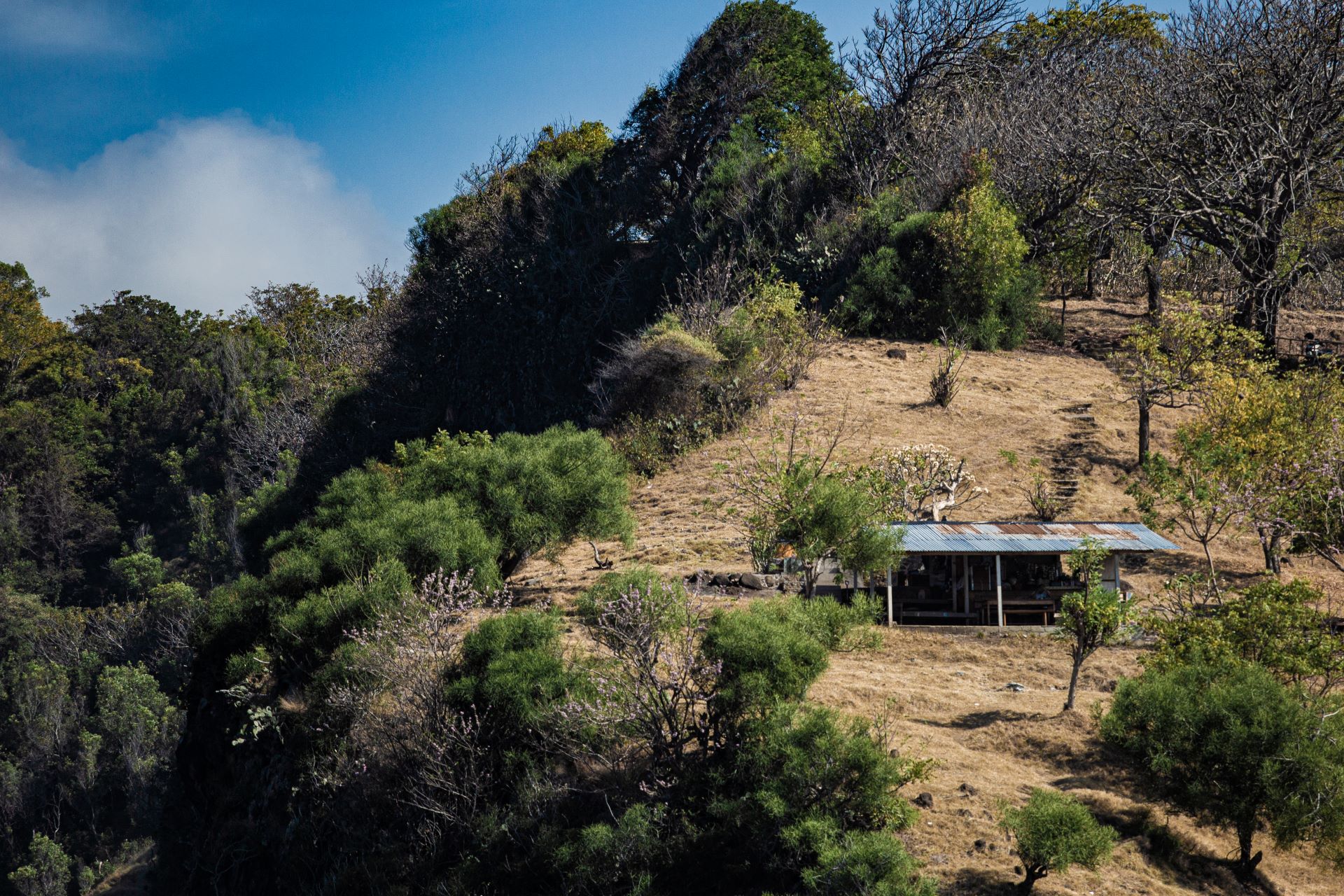
Pilgrim’s Rest, nestled in Mpumalanga’s escarpment, is one of South Africa’s most cited examples of mining-town reinvention. Founded during the gold rush of the late 19th century, the town faced near-total economic collapse once mining activity ceased. What saved it was not the discovery of new resources, but the recognition that the town itself was a resource.
Declared a national monument in the 1980s, Pilgrim’s Rest preserved its original buildings, street layout and industrial remnants. Rather than modernising aggressively, the town leaned into historical authenticity. Former miners’ houses became guest lodges, old shops turned into cafés and museums, and the gold rush narrative became the foundation of the visitor experience.
Today, Pilgrim’s Rest functions as a living museum. Tourism revenue supports local employment, particularly in hospitality and heritage management. Crucially, the town avoided becoming a static relic by hosting events, offering outdoor activities in the surrounding region and integrating storytelling into every aspect of the visitor journey. The lesson here is clear: heritage tourism works best when history is activated rather than merely preserved.
KIMBERLEY: FROM DIAMOND PIT TO DESTINATION
Kimberley’s relationship with mining is inseparable from South Africa’s broader economic and political history. The discovery of diamonds in the 1870s reshaped the region and laid the groundwork for modern industrial mining. When diamond production declined, Kimberley faced the challenge of redefining itself beyond extraction.
The Big Hole, once a symbol of industrial might, has become the city’s primary tourism anchor. Through careful development, it now functions as a heritage precinct combining museums, reconstructed historical streets and interpretive experiences that contextualise the diamond industry’s social impact.
Kimberley’s reinvention extends beyond a single attraction. The city has positioned itself as a gateway to Northern Cape tourism, linking mining heritage with battlefield tourism, cultural history and nature-based experiences in the surrounding region. While challenges remain, particularly around infrastructure and urban management, Kimberley demonstrates how large-scale industrial sites can be repurposed into narrative-driven tourism assets.
CULLINAN: SMALL TOWN, BIG STORY
Cullinan, east of Pretoria, offers a more intimate example of post-industrial transformation. Known globally for the Cullinan Diamond, the town’s identity was once tightly bound to its mine. Rather than distancing itself from this legacy, Cullinan has integrated mining history into a broader tourism offering focused on small-town charm, outdoor adventure and heritage.
The mine continues to operate on a limited scale, but tourism now plays a significant role in the local economy. Guided mine tours, heritage walks and museums coexist with cycling routes, nature reserves and artisanal businesses. This diversification has allowed Cullinan to appeal to both domestic day-trippers and international visitors.
Cullinan’s success lies in balance. Mining heritage is presented honestly, without romanticising hardship, while new experiences ensure the town is not defined by a single narrative. This approach has created resilience, insulating the town from over-reliance on any one economic driver.
PILANESBERG: FROM SCARRED LAND TO SAFARI ICON
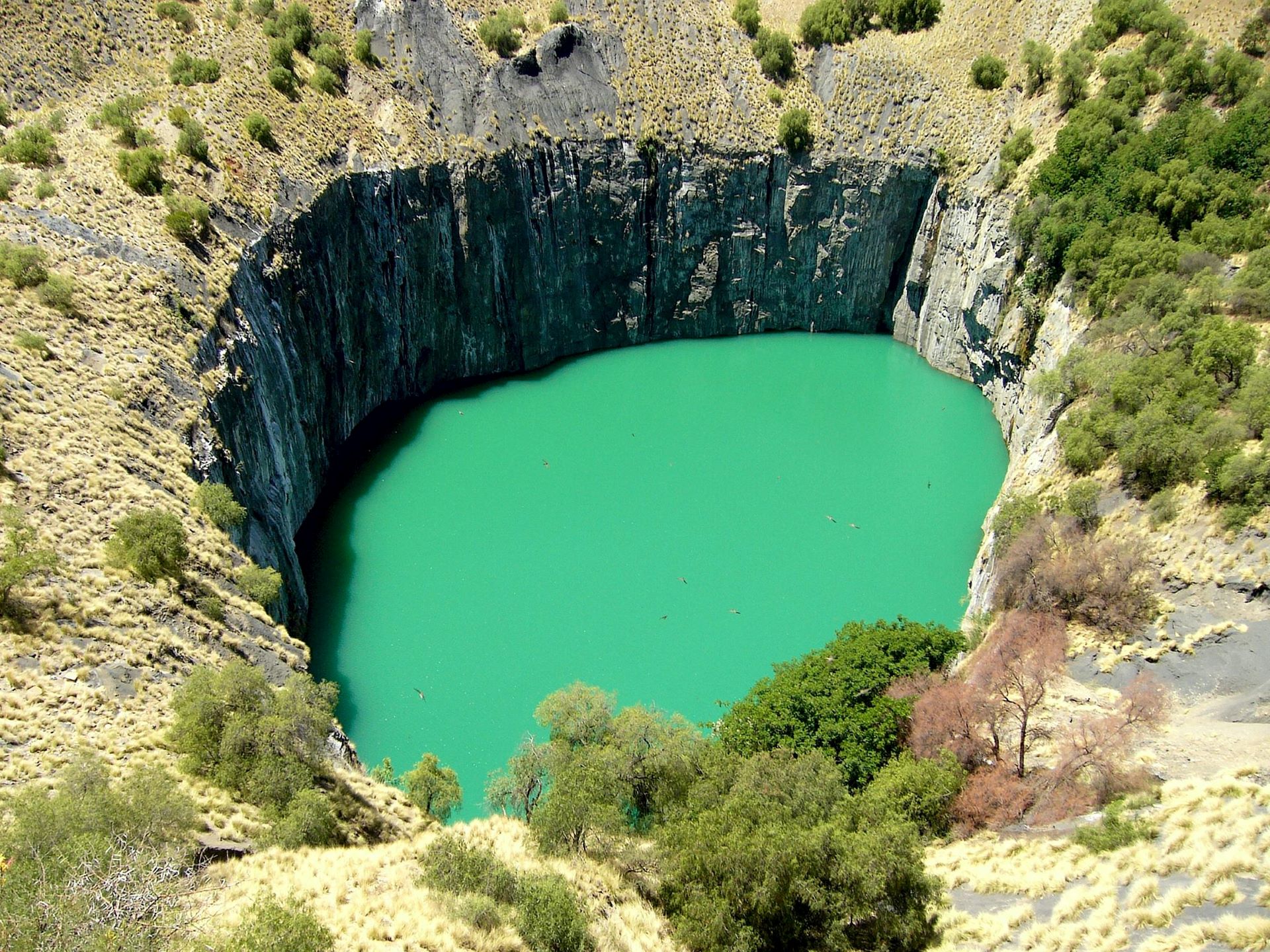
Perhaps the most dramatic example of post-industrial reinvention in South Africa is Pilanesberg National Park. Located in a former mining area within an extinct volcanic crater, the land was heavily degraded by decades of extraction. The transformation into a national park required extensive rehabilitation, ecological planning and political will.
The result is one of South Africa’s most accessible Big Five safari destinations. Pilanesberg now attracts both domestic and international tourists, supporting lodges, guiding operations and community initiatives in surrounding areas.
This case highlights the potential of environmental restoration as a tourism strategy. Where Pilgrim’s Rest and Kimberley focus on built heritage, Pilanesberg shows how post-industrial landscapes can be rewilded, turning environmental liability into economic and ecological value.
SPRINGBOK AND NAMAQUALAND: MINING TOWNS AS SEASONAL STARS
In the Northern Cape, towns such as Springbok were historically shaped by copper mining. As mining activity declined, these towns faced economic contraction. Rather than positioning themselves as standalone destinations, many have tapped into regional tourism tied to the Namaqualand wildflower season.
Mining heritage still features in local museums and town narratives, but the primary draw is seasonal natural spectacle. This has encouraged investment in accommodation, local guiding services and craft industries. While tourism here is cyclical, it provides an important supplementary income stream and reinforces regional identity.
The Namaqualand example illustrates that not all post-industrial towns need year-round tourism. Strategic alignment with natural or cultural events can still deliver meaningful economic benefits when expectations are realistic.
KEY DRIVERS OF SUCCESSFUL TRANSFORMATION
Across these case studies, certain themes recur. Successful towns tend to acknowledge rather than erase their industrial past. Authenticity resonates with visitors, particularly when stories are locally owned and responsibly told. Community involvement is another critical factor. Tourism initiatives that exclude local residents often struggle to sustain momentum or social licence.
Equally important is diversification. Towns that rely on a single attraction or narrative are vulnerable to market shifts. By combining heritage with nature, events, adventure or culinary experiences, destinations build resilience. Finally, governance and maintenance matter. Heritage sites and public spaces require ongoing investment to remain credible tourism assets.
CHALLENGES AND CAUTIONS
Tourism is not a universal solution. Some post-industrial towns lack the location, infrastructure or market access needed to attract visitors at scale. There is also the risk of superficial development, where history is sanitised or communities are displaced in pursuit of visitor-friendly aesthetics.
In South Africa, these risks are amplified by inequality and resource constraints. Successful transformation requires long-term planning, realistic expectations and partnerships between public and private sectors. When tourism is positioned as part of a broader economic mix rather than a silver bullet, outcomes are more sustainable.

LOOKING FORWARD: REWRITING THE MAP
As South Africa continues to grapple with the legacy of extractive industries, the reinvention of mining towns offers valuable lessons. These places show that decline is not destiny. With thoughtful storytelling, environmental restoration and community-led development, post-industrial spaces can become meaningful tourism destinations.
From the preserved streets of Pilgrim’s Rest to the rehabilitated landscapes of Pilanesberg, the country’s mining past is being rewritten into new economic futures. For towns willing to confront their history honestly and imagine alternative uses for inherited spaces, tourism offers not an escape from identity, but a way to deepen it.
Jabulani
Reporting from the frontlines of the South African tourism renaissance. Bridging the gap between regional stories and global audiences through elite narrative strategy.