

At the eastern edge of South Africa’s heartland, the Drakensberg Mountains rise like a colossal stone fortress, where sheer cliffs meet the skies and valleys echo with the whispers of ancient cultures. Among its many peaks and hidden gorges, Cathedral Peak and the Tugela Falls routes stand out as two of the most iconic high-altitude challenges. These treks are not simply hikes; they are journeys through geology, history and the human spirit’s hunger for the sublime. This article explores the thrill, the preparation and the transformative power of climbing these majestic routes, providing a detailed guide for those drawn to South Africa’s mountain heart.

The Allure of the Drakensberg Heights
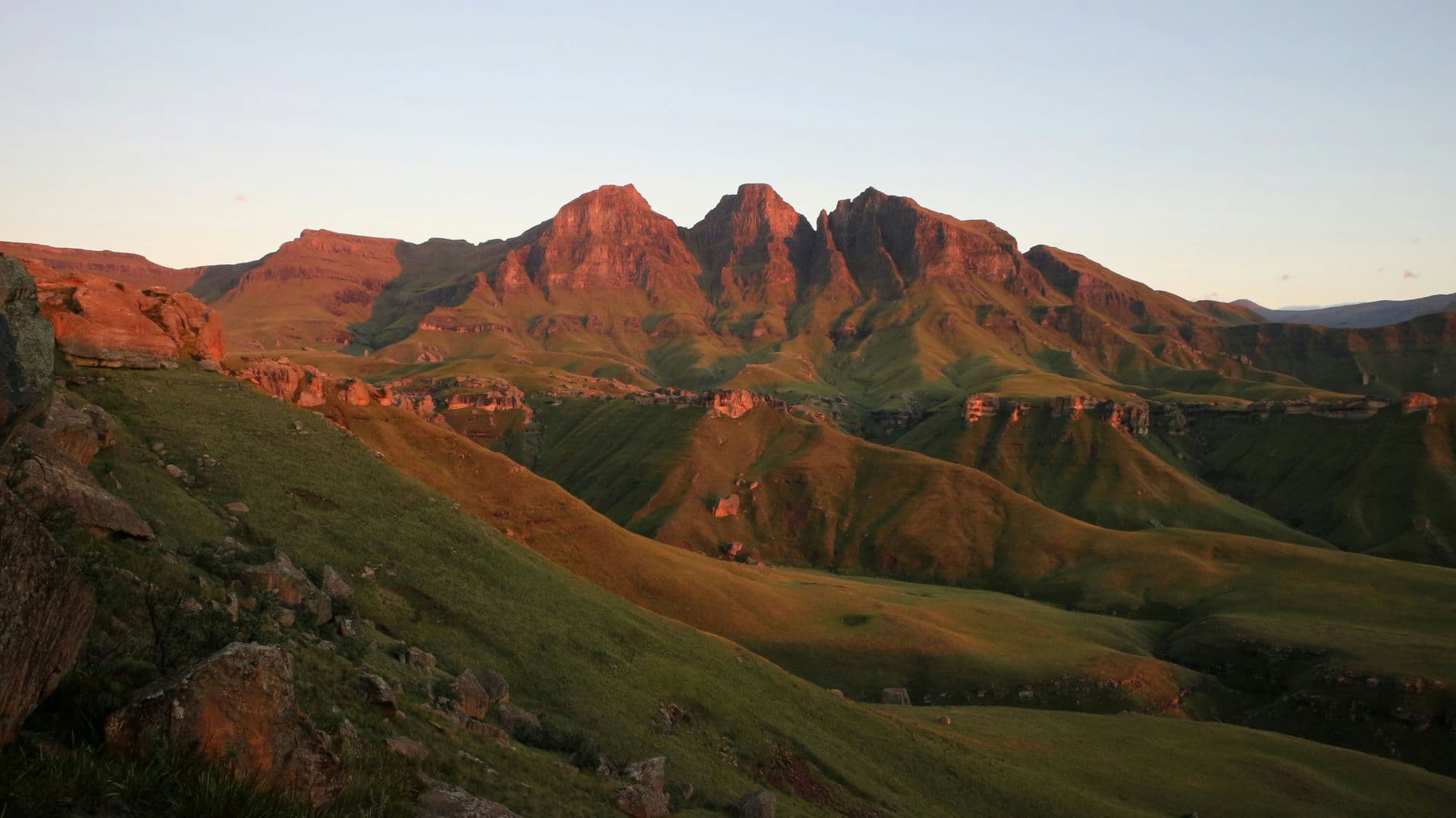
The Drakensberg, meaning 'Dragon Mountains' in Afrikaans and known as uKhahlamba—‘Barrier of Spears’—in Zulu, forms a natural border between South Africa and the mountain kingdom of Lesotho. Recognised as a UNESCO World Heritage Site, this range is celebrated for its dramatic escarpments, rich biodiversity and archaeological treasures. Cathedral Peak and Tugela Falls capture the essence of this rugged landscape: challenging ascents, panoramic views and encounters with a wilderness that still feels timeless. To climb here is to experience South Africa in its most elemental form, where the play of light and weather can change the character of the mountains within moments.
The Cathedral Peak Challenge
Standing at 3 004 metres, Cathedral Peak is a striking free-standing summit that commands attention. The standard route starts near the Cathedral Peak Hotel and climbs steeply through montane grassland, past Protea stands and over rocky buttresses. This ascent is typically a long day’s climb, often taking ten to twelve hours for a round trip. The altitude gain of over 1 500 metres tests even seasoned hikers, and the final scramble to the summit requires sure-footedness and a head for heights.Guides recommend an early start to avoid afternoon thunderstorms, a common feature of summer months. In winter, the air is crisp and visibility often crystal clear, though icy winds can bite. The sense of isolation at the summit, with the rolling foothills stretching toward the Indian Ocean and the jagged escarpment behind, rewards every step of effort. Local legends speak of the peak as a place of spiritual significance; climbers often describe an almost mystical quiet that descends when they stand on the narrow summit.
Tugela Falls: The World’s Tallest Waterfall
If Cathedral Peak is a solitary sentinel, the Tugela Falls trek reveals the grandeur of the Amphitheatre—an immense, five-kilometre-wide cliff face that forms one of the most dramatic vistas in Africa. Tugela Falls itself plunges a total of 948 metres, making it the tallest waterfall on Earth when measured across its series of drops.The most direct route to the falls is the Sentinel Peak hike, which begins near Witsieshoek Mountain Lodge. Hikers navigate a well-maintained path across grassy slopes before tackling the famous chain ladders—vertical metal rungs fixed into the cliff. While safe, this section demands nerve and composure. Beyond the ladders, the plateau opens up like a vast alpine meadow, with the Tugela River winding gently before it hurls itself into the abyss.Summer visitors may witness thundering torrents, while in the dry winter months the falls can be a delicate silver ribbon. Either way, the view over the Amphitheatre rim, with the escarpment dropping away into the Royal Natal National Park far below, is unforgettable.
High-Altitude Realities
Climbing above 3 000 metres in the Drakensberg brings unique challenges. While these altitudes are modest by Himalayan standards, they are high enough for some to experience mild altitude effects: shortness of breath, headaches and fatigue. Acclimatisation can be aided by spending a night at mid-altitude before the climb and maintaining a steady pace.Weather remains the most unpredictable factor. Sudden mists can reduce visibility to mere metres, while summer thunderstorms roll across the escarpment with astonishing speed. Lightning is a real danger on exposed ridges. Hikers are advised to start early, carry proper rain gear and keep a close eye on the skies. In winter, sub-zero temperatures and occasional snow demand insulated clothing and an awareness of slippery paths.
Ecological and Cultural Significance
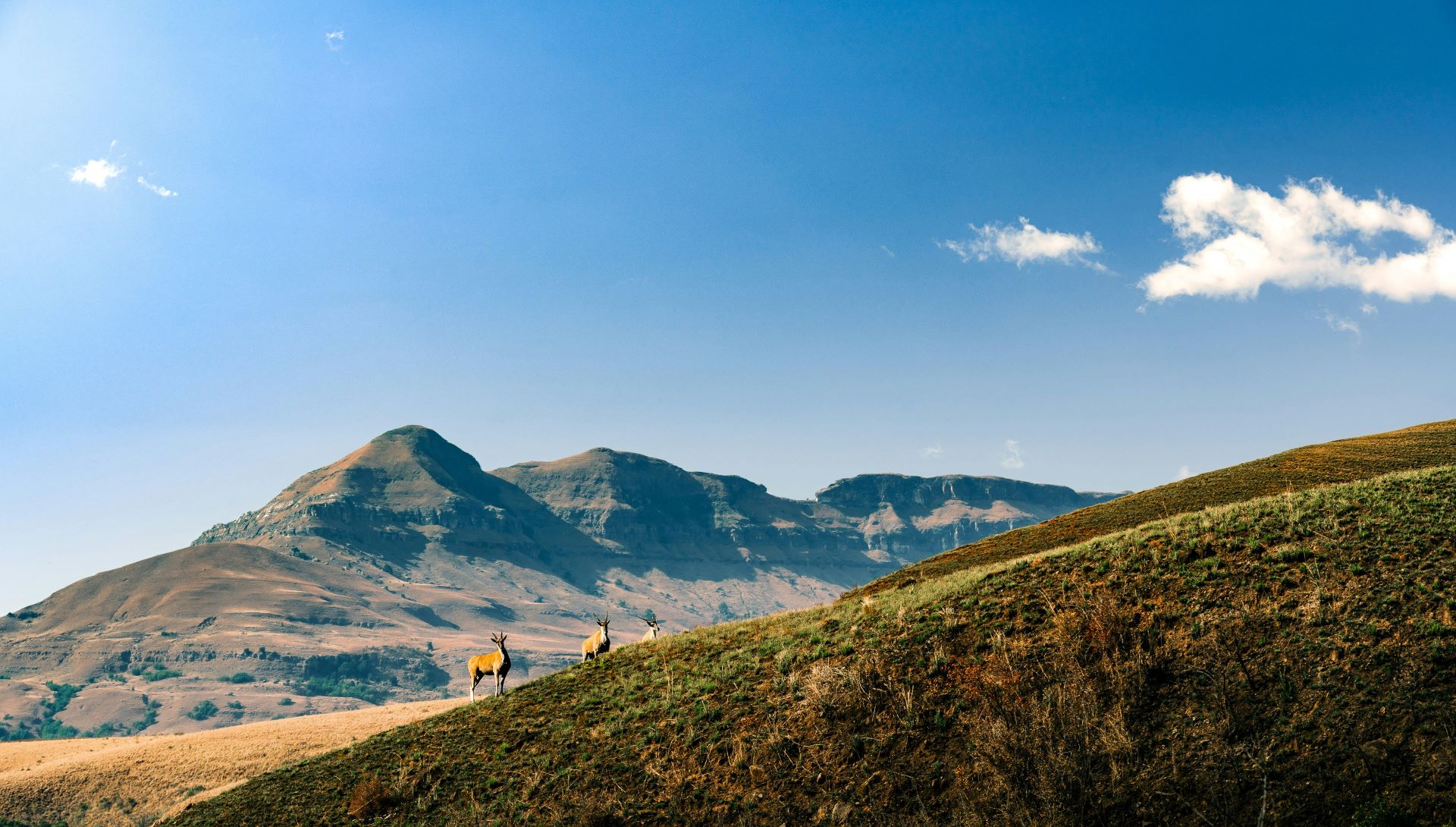
The Drakensberg is a sanctuary for unique flora and fauna. Rare alpine plants cling to the basalt cliffs, and eland roam the high plateaus. Birdlife is rich: the bearded vulture, or lammergeier, soars on the thermals, while the Malachite Sunbird flashes emerald in the valleys.This range is also an open-air gallery of San rock art, with thousands of paintings hidden in caves and overhangs, some dating back more than two millennia. These images—depicting hunts, rituals and spiritual visions—bear witness to the mountains’ deep cultural significance. Modern hikers follow in the footsteps of these early artists, sharing the same views and perhaps the same sense of reverence for the landscape.
Planning Your Expedition
For those drawn to these high-altitude challenges, preparation is key. The best months for hiking are the cooler, drier periods from April to September, when skies are often clear and the risk of thunderstorms lower. Permits are required for many routes and can be obtained from Ezemvelo KZN Wildlife offices or local lodges.Accommodation options range from comfortable mountain lodges such as Cathedral Peak Hotel or Witsieshoek Mountain Lodge to basic hiking huts and campsites. Local guides offer not only safety and navigation but also insights into the region’s natural history and cultural lore.Responsible tourism is vital: stick to established paths to prevent erosion, carry out all waste, and respect both the wildlife and the cultural heritage sites you encounter.
The Call of the Berg
To climb Cathedral Peak or stand at the brink of Tugela Falls is to engage with South Africa at its most elemental. These routes demand stamina and respect for nature’s power, yet they reward with a sense of perspective that lingers long after the boots are off. In the Drakensberg, the challenge of altitude is more than a physical test—it is an invitation to stand closer to the sky, to feel the ancient pulse of the land and to carry that experience back into everyday life.
Mandla Ndlovu
Reporting from the frontlines of the South African tourism renaissance. Bridging the gap between regional stories and global audiences through elite narrative strategy.