

South Africa’s Cape Winelands are more than just postcard-perfect landscapes—they are the living, breathing heart of one of the world’s most vibrant and distinctive wine cultures. From the historic vineyards of Stellenbosch and the lush valley floors of Franschhoek, to the windswept coastlines of Elgin and Walker Bay, this sun-drenched tip of Africa is home to over 500 wineries, each with a story as complex and nuanced as the wines they produce.
As a local and lifelong admirer of the Cape’s vinous bounty, I’ve wandered through its cellar doors, tasted my way across its terroirs, and spoken with the passionate individuals who are redefining South African wine on a global stage. This guide is for the curious oenophile, the wine-curious traveller, and even the proud Capetonian looking to rediscover what lies just beyond the city’s edge.
A Brief History: The Roots of the Cape’s Wine Culture
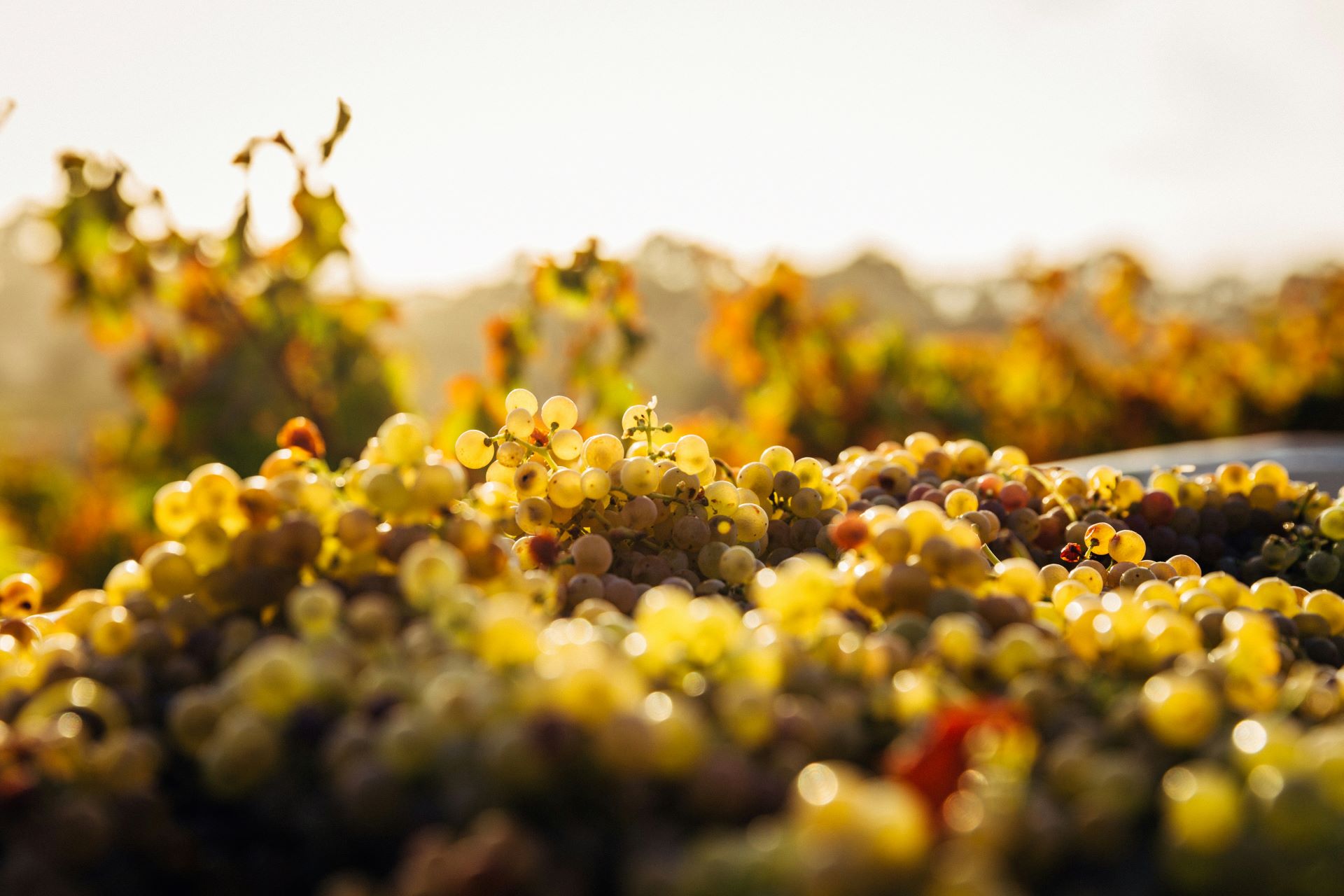
The Cape’s wine story begins in 1659, when Dutch settlers, under the leadership of Jan van Riebeeck, produced the first bottle of South African wine in what is now Cape Town’s CBD. But it was the arrival of the French Huguenots in the late 17th century that infused the region with the finesse and technique that laid the foundation for a centuries-old wine tradition.
Today, this legacy continues with a renewed energy. Post-apartheid freedom opened international doors, and South African wine has since carved out a name for itself on the world stage—not only for its value, but for its bold expression, sustainability efforts, and sense of place.
The Wine Routes: Region by Region
The Cape’s wine-growing areas are as diverse as the varietals they yield. Whether you prefer robust reds, crisp whites, or effervescent MCCs (Méthode Cap Classique), there’s a wine route for every palate.
Stellenbosch: The Icon
No wine lover’s journey is complete without a stop in Stellenbosch. South Africa’s second-oldest town, it’s also the unofficial capital of fine wine. Cabernet Sauvignon dominates, but Chenin Blanc, Merlot, and Shiraz also thrive here.
Must-visit estates:
Franschhoek: French Heart, South African Soul
Tucked between dramatic mountains, Franschhoek is known for its French flair and culinary pedigree. It’s a hub for boutique wineries and hosts the annual Franschhoek Bastille Festival.
Highlights include:
Paarl: Bold and Generous
Often overlooked in favour of its more famous neighbours, Paarl offers full-bodied reds and rich Chenin Blancs. It’s also the birthplace of KWV, one of South Africa’s oldest and most influential cooperatives.
Don’t miss:
Constantia: Old-World Elegance
Just 20 minutes from Cape Town’s city centre lies the Constantia Valley, home to some of the oldest vineyards in the Southern Hemisphere. Its cool climate yields elegant Sauvignon Blancs and refined reds.
Standout spots:
Elgin and Walker Bay: Cool Climate, High Altitude
Venture further afield to find Elgin and Hermanus’s Walker Bay, where cool climates produce exceptional Pinot Noir, Chardonnay, and sparkling wines.
Notable names:
Tasting Tips: How to Taste Like a Local
Tasting wine is more than sniff, sip, and swallow. In the Cape, it’s a cultural ritual—best enjoyed slowly, often over a cheese board or long lunch. Here are a few tips to make the most of your visit:
Pairings and Platters: The Food Scene
South African wine is made to be enjoyed with food. Luckily, many estates offer exceptional farm-to-table experiences that highlight local produce.
Try these for top-tier pairings:
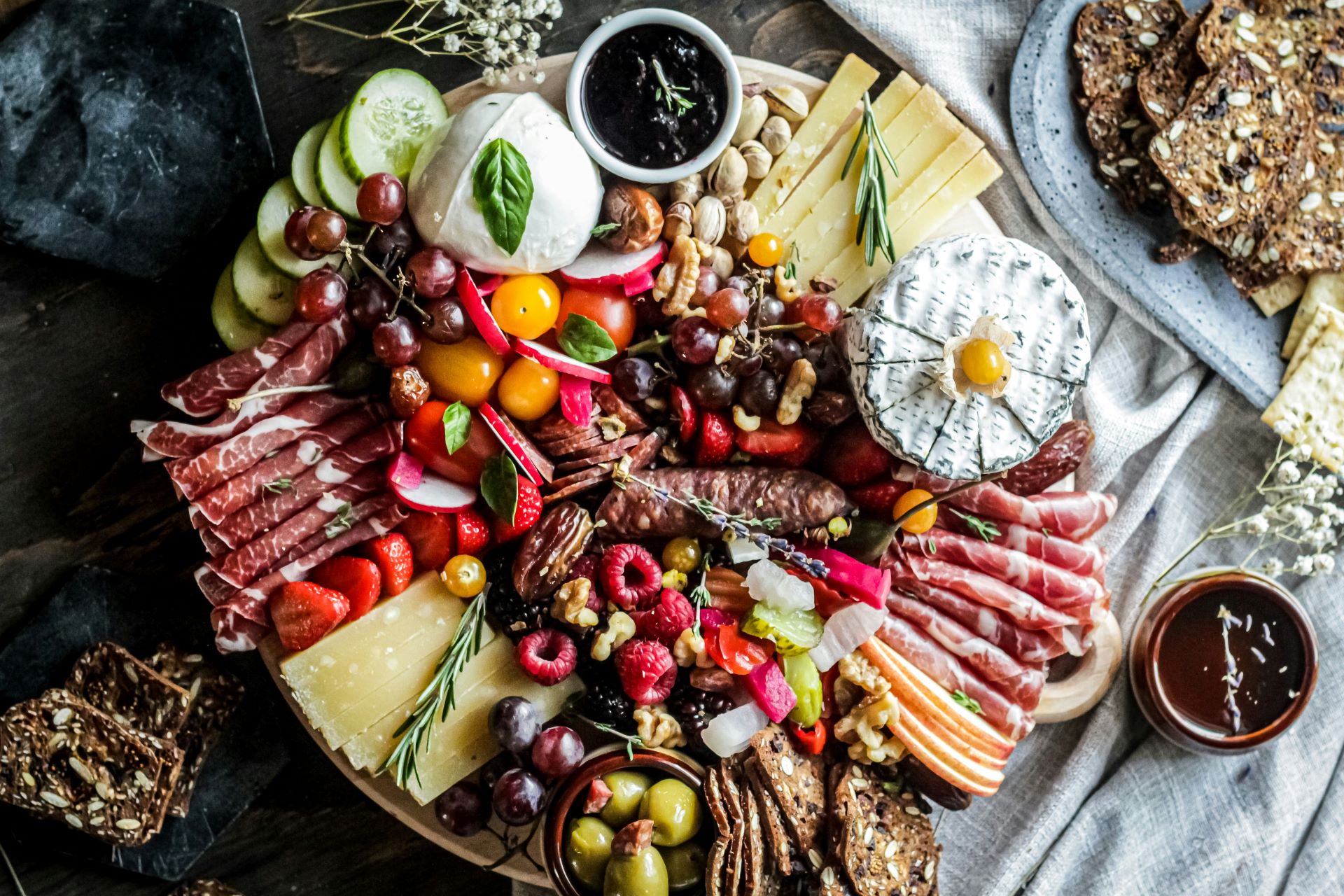
For something casual, almost every estate offers cheese and charcuterie platters. Don’t miss local staples like biltong, fig preserve, or snoek pâté.
Sustainability and Innovation: The New Wave
Modern South African winemaking is rooted in sustainability and innovation. Many farms are Fairtrade certified, follow organic or biodynamic principles, and participate in the Integrated Production of Wine (IPW) scheme, ensuring environmentally responsible viticulture.
Trendsetting producers:
Signature Varietals: What to Try
Beyond the Bottle: Experiences and Activities
The Cape Winelands are about more than wine. Many estates offer outdoor and cultural activities, perfect for a day out with family or friends.
Ideas include:
A Word on Seasons: When to Visit
Travel Logistics: Getting Around
Many estates now offer overnight accommodation, from luxury boutique hotels to rustic farm stays. Consider booking a night or two in Stellenbosch, Franschhoek, or Elgin to truly immerse yourself.
Final Sip: Why the Cape Is a World-Class Wine Destination
South African wine doesn’t rest on reputation—it evolves with every harvest. The Cape Winelands are not only producing world-class wines but also nurturing a lifestyle that celebrates craftsmanship, community, and connection to the land.
Whether you’re swirling your first glass of Chenin or seeking the rare elegance of an old-vine Cinsault, there’s something deeply grounding about tasting wine where it’s made—beneath the African sun, surrounded by fynbos and mountains, in a place where stories ferment as richly as the grapes themselves.
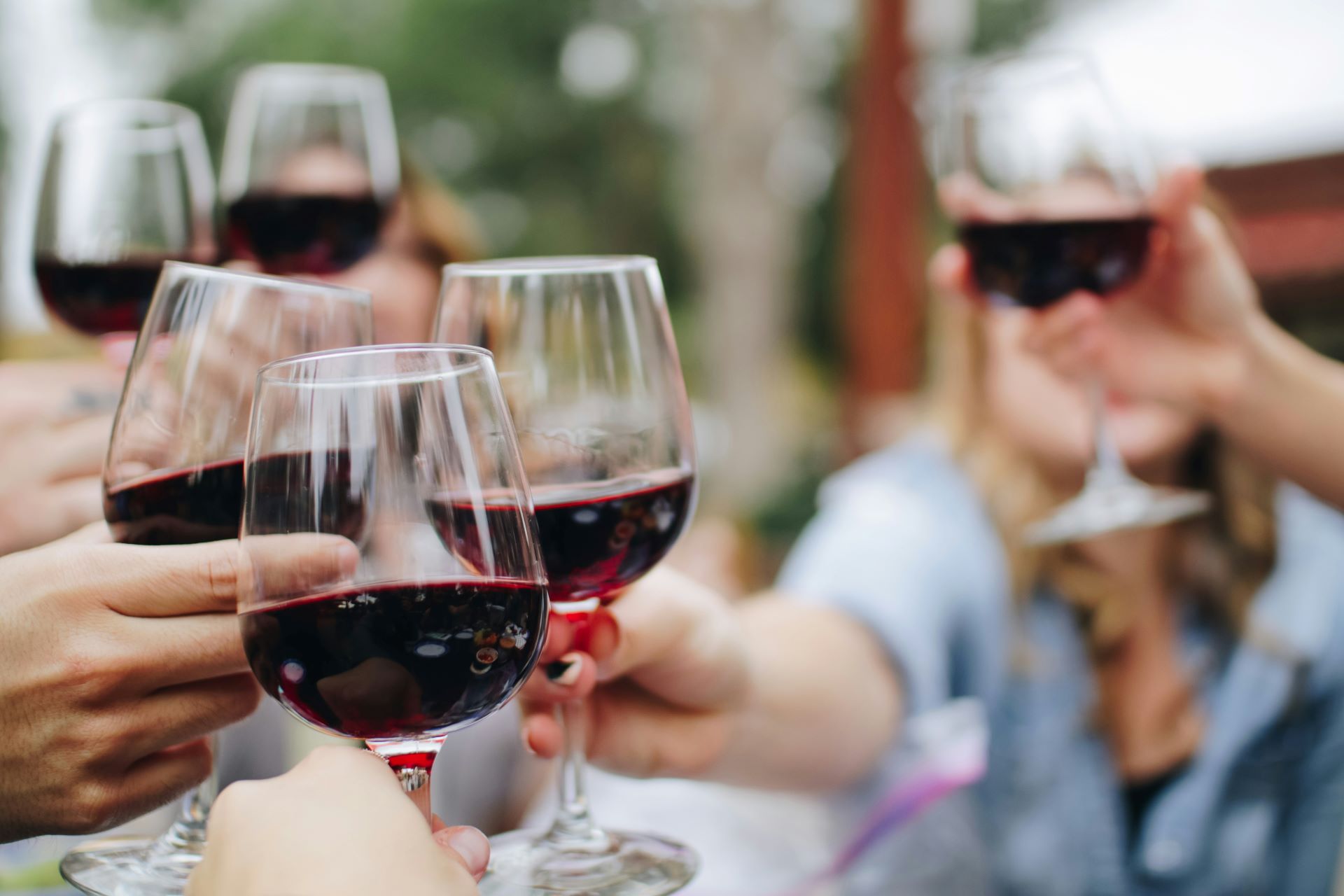
So take a drive, slow down, raise a glass—and toast to the Cape, where every bottle holds a journey.
Jabulani
Reporting from the frontlines of the South African tourism renaissance. Bridging the gap between regional stories and global audiences through elite narrative strategy.