

The Cederberg Mountains rise from the northern reaches of the Western Cape like a weathered fortress, their sandstone ramparts shaped by time rather than ambition. This is a place that does not shout for attention. It waits. While South Africa’s better-known mountain ranges attract steady crowds, the Cederberg remains quietly removed, rewarding those willing to venture beyond the obvious. Its appeal lies not only in its dramatic scenery, but in the way it blends wilderness, history and solitude into a deeply immersive experience.
Located roughly 250 kilometres north of Cape Town, the Cederberg feels far more remote than the map suggests. Gravel roads replace highways, mobile reception fades, and the landscape becomes increasingly raw. The transition is part of the experience. By the time visitors reach the heart of the mountains, the modern world feels distant, replaced by vast skies, sculpted rock formations and a stillness that seems to amplify every footstep.
This is a destination for travellers who value substance over spectacle. Hiking trails wind through deep ravines and across high plateaus. Ancient rock art shelters hide beneath overhangs, telling stories thousands of years old. Guided tours reveal layers of meaning that are easily missed when rushing through. Together, these elements make the Cederberg one of South Africa’s most quietly compelling tourism regions.
A Landscape Shaped by Time
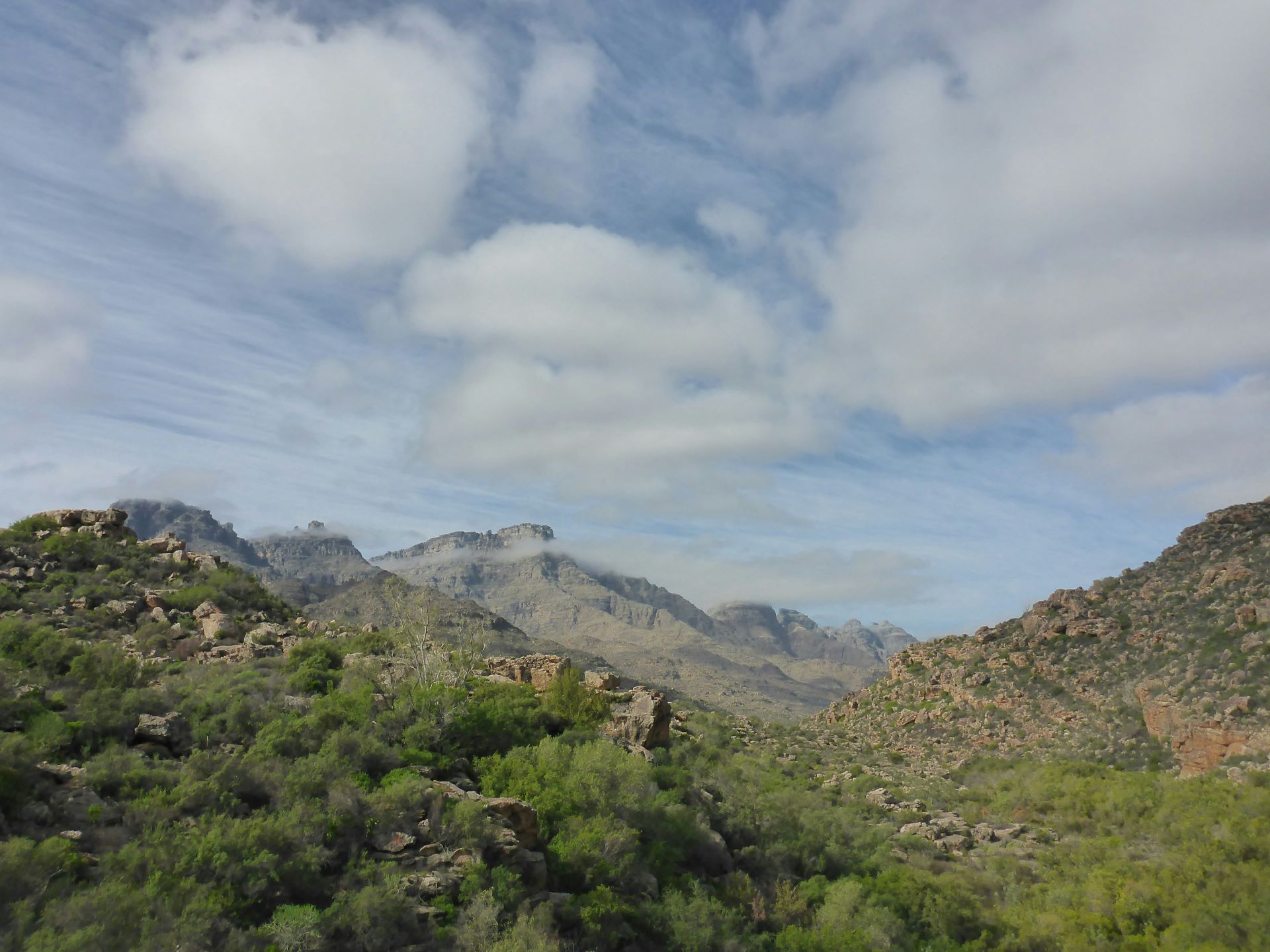
The defining feature of the Cederberg is its sandstone geology. Over millions of years, wind and water have carved the mountains into fantastical shapes. Sheer cliffs loom over narrow passes, while freestanding rock formations appear almost architectural in their symmetry. The colour palette is equally striking, shifting from pale gold in the early morning to deep rust and crimson at sunset.
Unlike alpine mountain ranges, the Cederberg does not overwhelm with height alone. Its power lies in texture and scale. Vast open spaces create a sense of exposure, while sudden gorges and hidden valleys offer moments of intimacy. The terrain changes constantly, ensuring that no hike ever feels repetitive.
Vegetation plays a subtle but essential role in shaping the landscape. The region forms part of the Cape Floristic Kingdom, one of the world’s most biodiverse areas. Hardy fynbos species cling to rocky slopes, releasing sharp, herbal scents when brushed by passing hikers. The endangered Clanwilliam cedar, after which the mountains are named, stands as a symbol of both resilience and fragility, having survived centuries of exploitation and fire.
Wildlife is present without being intrusive. Rock hyraxes sun themselves on ledges, while raptors circle silently overhead. Baboons are occasionally encountered near water sources, though they tend to keep their distance. The overall impression is one of balance, a landscape that exists largely on its own terms.
The Cederberg as a Hiking Destination
Hiking is the most direct way to experience the Cederberg. Trails vary widely in difficulty, catering to casual walkers and experienced adventurers alike. What they share is a sense of immersion. Once on the trail, the outside world recedes, replaced by the rhythm of movement and the constant visual reward of the surroundings.
Day hikes are popular among visitors staying in nearby towns or mountain lodges. Routes such as the Middelberg Trail offer manageable distances with exceptional views, making them accessible without feeling diluted. These trails often pass through narrow corridors between towering rock faces, opening suddenly onto panoramic viewpoints that stretch across the mountains.
More challenging hikes demand careful preparation. The Wolfberg Cracks and Wolfberg Arch routes are among the most iconic in the region. These trails involve steep ascents and sections that require scrambling, but the payoff is immense. Standing beneath the massive stone arch or navigating the narrow fissures between rock walls delivers a sense of scale that photographs rarely capture.
Multi-day hikes are where the Cederberg truly comes into its own. Backpacking routes lead hikers deep into the wilderness, far from roads and settlements. Overnight stays in basic mountain huts or designated campsites allow for a slower, more contemplative experience. Evenings are spent watching the light fade from the cliffs, while nights bring a silence broken only by wind and distant animal calls.
Water availability is a critical consideration. Streams and rock pools are scattered but seasonal, making route planning essential. Experienced hikers often rely on local knowledge or guides to ensure safe passage, particularly during warmer months.
Walking Through Living History
Beyond its natural beauty, the Cederberg holds profound cultural significance. The mountains are home to one of the richest concentrations of San rock art in Southern Africa. These paintings, some dating back more than 6,000 years, offer an intimate glimpse into the lives and beliefs of the region’s earliest inhabitants.
Rock art sites are typically found beneath overhanging cliffs or within shallow caves, protected from the elements. The paintings themselves vary in scale and complexity. Some depict animals such as eland, elephants and antelope, while others show human figures engaged in hunting or ceremonial activities. Abstract symbols and trance-related imagery hint at spiritual practices that remain only partially understood.
Visiting these sites is not simply a visual experience. It is an encounter with memory and meaning. The placement of the art within the landscape is deliberate, often aligned with water sources, migration routes or significant viewpoints. Guides trained in rock art interpretation help contextualise these choices, explaining how the San understood their environment and their place within it.
Preservation is a major concern. The rock art is fragile, vulnerable to erosion, vandalism and even well-intentioned touching. For this reason, access to many sites is regulated, and guided visits are strongly encouraged. These measures not only protect the art but also enhance the visitor experience by providing depth and narrative.
Guided Tours and Local Expertise
While independent travel is possible in the Cederberg, guided tours unlock layers of understanding that are otherwise easy to miss. Local guides bring together knowledge of terrain, history and ecology, transforming a walk into a story-driven experience.
Guided hiking tours are particularly valuable for visitors unfamiliar with the area. Routes are planned with weather, fitness levels and seasonal conditions in mind. Guides point out subtle details along the way, from medicinal plants used by indigenous communities to geological features formed over unimaginable timescales.
Rock art tours form a central part of the guided offering. These excursions often combine short hikes with extended time at key sites, allowing visitors to engage with the art in a respectful and informed manner. Storytelling plays a crucial role, bridging the gap between ancient symbolism and modern understanding.
Some guided experiences take a more holistic approach, blending hiking, cultural heritage and local cuisine. Multi-day itineraries might include overnight stays in eco-lodges or wilderness camps, where evenings are spent sharing meals and conversation under the stars. These tours appeal to travellers seeking depth rather than speed.
Importantly, guided tourism supports local economies and conservation efforts. Many guides are drawn from nearby communities, ensuring that tourism revenue contributes directly to the region’s sustainability.
Seasonal Shifts and Changing Moods
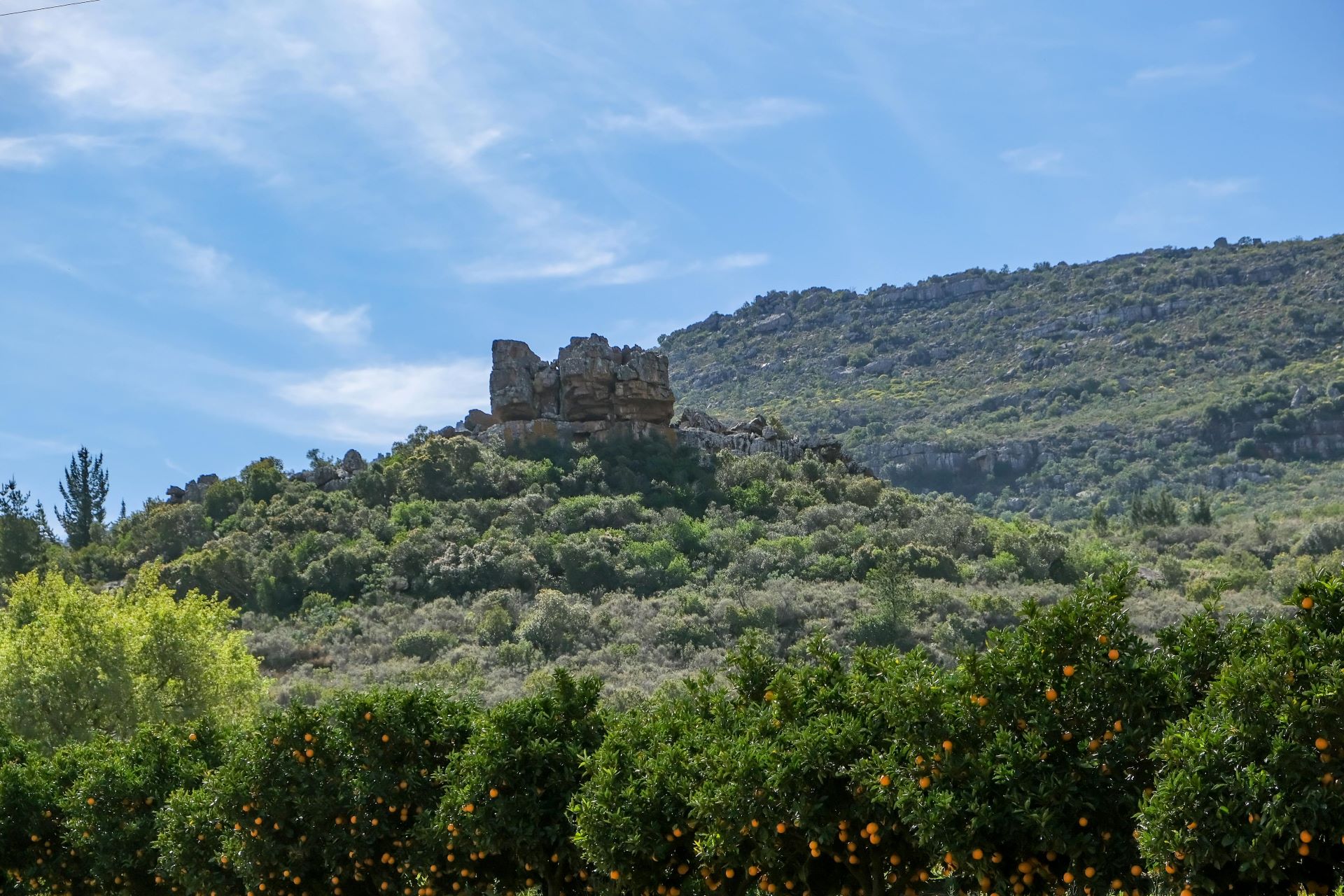
The Cederberg changes character with the seasons, each offering a distinct atmosphere. Spring brings a burst of life, as wildflowers bloom across the valleys and slopes. The contrast between delicate flowers and rugged rock formations creates a striking visual tension that draws photographers and botanists alike.
Summer is defined by heat and light. Days are long and bright, with temperatures that can climb quickly. Early morning hikes are essential during this season, with midday best reserved for rest or swimming in natural rock pools. The landscape takes on a bleached, austere beauty that emphasises its harshness and resilience.
Autumn introduces cooler temperatures and softer light. This is considered by many to be the ideal hiking season. Trails are quieter, water sources more reliable, and the shifting colours of the landscape lend themselves to reflection and exploration.
Winter brings cold nights and occasional rainfall. While snow is rare, frost is not uncommon at higher elevations. The reward for braving the chill is a sense of solitude that is difficult to find elsewhere. Mist clings to the valleys, and waterfalls appear where dry rock faces once stood.
Staying in and Around the Mountains
Accommodation in the Cederberg ranges from rustic campsites to comfortable lodges, all designed to minimise environmental impact. Many properties are deliberately understated, allowing the landscape to take centre stage.
Mountain chalets and self-catering cottages appeal to hikers who want early access to trails. These often feature simple amenities, fireplaces for winter evenings, and expansive views that encourage lingering over morning coffee. More upscale lodges offer guided activities, meals prepared with local ingredients, and opportunities to unwind after a day on the trails.
Camping remains a popular option for those seeking a closer connection to nature. Designated sites are typically well-spaced, ensuring privacy and quiet. Facilities are basic, reinforcing the sense of self-reliance that defines the Cederberg experience.
Nearby towns such as Clanwilliam provide additional accommodation options, along with access to supplies and services. Staying outside the mountains requires more daily travel but offers a broader range of comforts.
The Role of Conservation
The Cederberg is a protected wilderness area, and conservation plays a central role in its management. Efforts focus on preserving biodiversity, protecting rock art sites, and promoting responsible tourism practices.
Fire management is a constant challenge. While fynbos ecosystems rely on periodic burning for regeneration, uncontrolled fires can threaten both natural and cultural heritage. Ongoing research and community involvement help balance these competing needs.
Visitor education forms another pillar of conservation. Clear guidelines encourage hikers to stay on marked trails, carry out all waste, and respect wildlife. Rock art sites are monitored and maintained, with access restrictions adjusted as needed to prevent damage.
Tourism, when managed responsibly, contributes to these efforts. Entrance fees and guided tour revenues fund maintenance, research and local employment, creating a model where preservation and visitor experience reinforce one another.
A Different Kind of South African Journey
What sets the Cederberg apart is not just its scenery, but the way it encourages a different pace of travel. There are no iconic skylines or curated viewpoints designed for quick consumption. Instead, the mountains reward patience and presence.
Hiking here is not about conquering peaks but about moving through space with awareness. Rock art visits are not photo opportunities but moments of connection across time. Guided tours feel less like itineraries and more like conversations with the land.
For South African travellers, the Cederberg offers a reminder of the country’s depth and diversity. For international visitors, it provides an experience that contrasts sharply with more commercialised destinations, revealing a quieter, more introspective side of the Western Cape.
Planning a Visit
Preparation is key to enjoying the Cederberg safely and responsibly. Visitors should research routes thoroughly, check weather conditions, and ensure they carry adequate water and navigation tools. Booking guided tours in advance is recommended during peak seasons, particularly for rock art experiences.
Respect for the environment and local regulations is essential. The mountains have endured for millennia, but their continued preservation depends on mindful visitation.
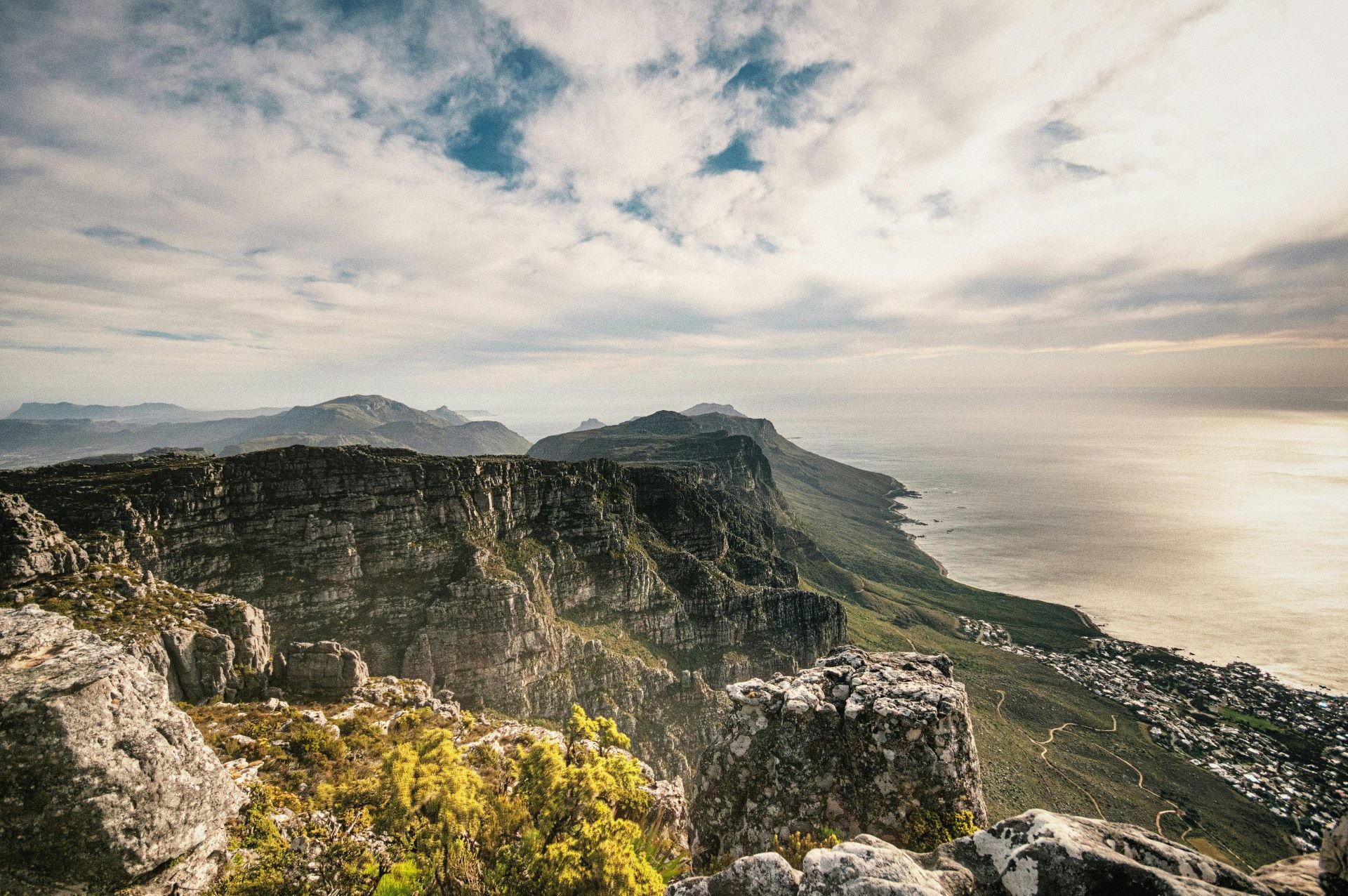
The Cederberg Mountains stand as one of South Africa’s most rewarding yet understated tourism destinations. Their rugged beauty, layered history and sense of isolation combine to create experiences that linger long after the journey ends. Whether hiking through dramatic landscapes, standing before ancient rock art, or exploring with the guidance of local experts, visitors encounter a region that reveals itself slowly and generously.
In a world increasingly defined by speed and spectacle, the Cederberg offers something rare. It invites travellers to slow down, look closer, and engage more deeply with both place and past. For those willing to answer that invitation, the reward is not just a destination, but a lasting connection to one of South Africa’s most remarkable mountain landscapes.
Elisha Roodt
Reporting from the frontlines of the South African tourism renaissance. Bridging the gap between regional stories and global audiences through elite narrative strategy.