

The Eastern Cape of South Africa stands as a beacon of natural wonder and cultural heritage—a destination that remains a well-kept secret to many. Stretching from wild, unspoiled coastlines to rugged mountainous landscapes and ancient forests, the region offers a captivating blend of nature, history, and tradition that invites curious explorers to venture off the beaten path. While South Africa is renowned for its iconic landmarks and bustling cities, the Eastern Cape represents a quieter narrative of uncharted beauty, where every winding road and secluded trail tells a story of nature’s resilience and cultural depth.
In this article, we embark on a journey to uncover the unique facets of the Eastern Cape. We will explore its diverse geography, rich biodiversity, deep-rooted cultural heritage, and the myriad of adventures that await intrepid travelers. From the majestic peaks and pristine beaches to vibrant local markets and historical sites, the region offers experiences that transcend typical tourist itineraries. Whether you’re drawn by the call of the wild or the allure of discovering a living history, the Eastern Cape promises both breathtaking vistas and soul-stirring encounters. Join us as we delve into the heart of a region that is as much a celebration of nature as it is a tribute to its resilient people and storied past.
Geography and Landscape
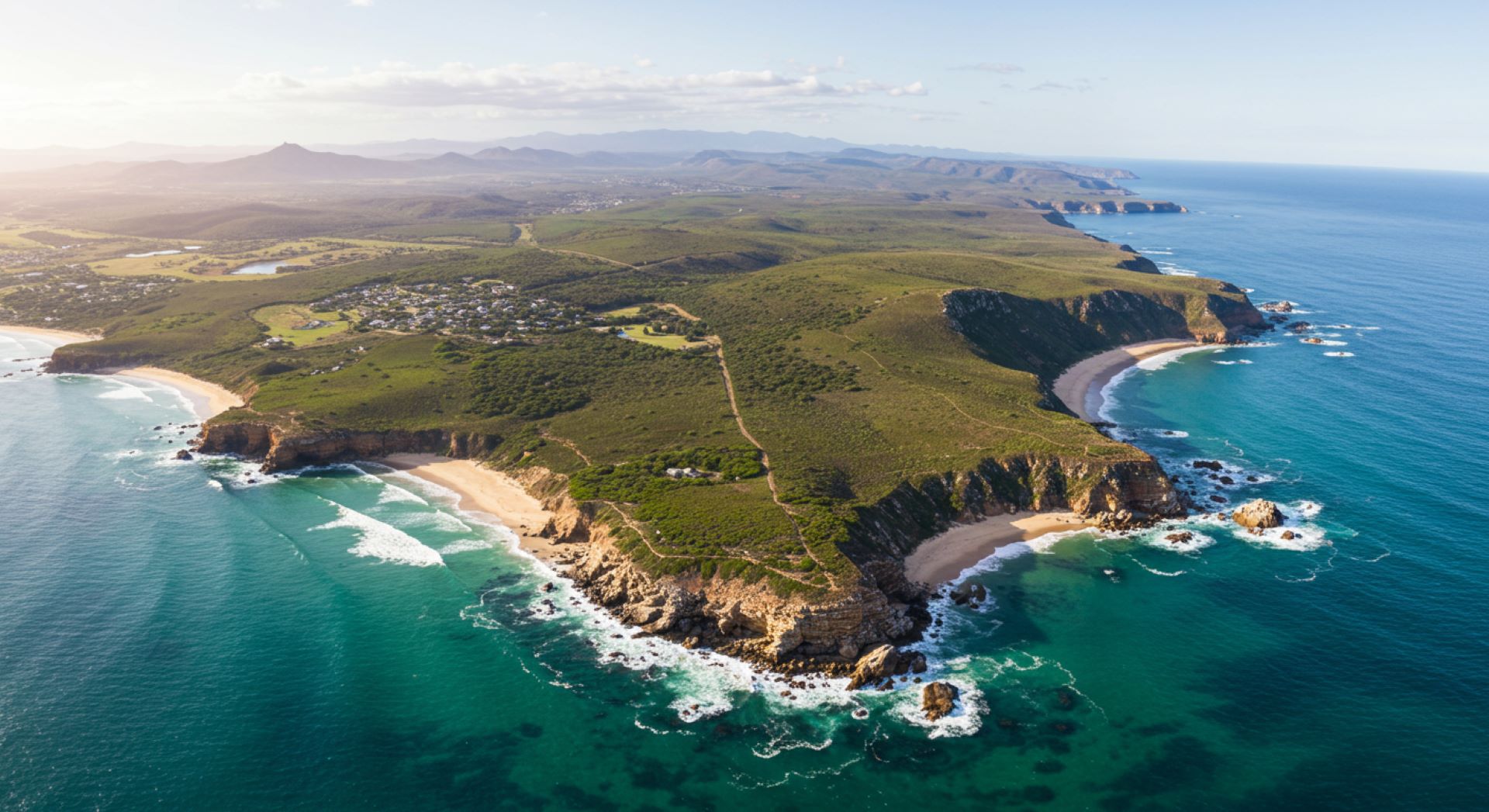
The Eastern Cape’s landscape is a study in contrasts and diversity. The region stretches along a dramatic coastline known as the Wild Coast, where towering cliffs meet the relentless Atlantic and Indian Oceans. This rugged shoreline, with its hidden coves and secluded beaches, is emblematic of a wilderness that has remained largely untouched by modern development. The interplay of oceanic forces has carved natural arches, blowholes, and tidal pools, creating a dynamic seascape that is both awe-inspiring and ecologically significant.
Venturing inland, one encounters the rolling expanses of fertile plains and the ancient rock formations of the Amatola and Stormberg ranges. These low-lying mountain chains, often shrouded in mists during the early hours of the day, not only serve as a backdrop to quaint rural settlements but also form vital corridors for wildlife migration. In the far reaches of the region, the iconic Drakensberg Mountains make an occasional but memorable appearance, their jagged silhouettes a reminder of South Africa’s dramatic geological past.
Dense indigenous forests and sprawling bushveld landscapes add another layer of complexity to the Eastern Cape’s geography. The interplay of altitude, rainfall, and soil types has given rise to unique ecosystems where endemic plant species flourish. These varied terrains not only create a mosaic of natural beauty but also play a crucial role in sustaining the region’s biodiversity, making it a paradise for geologists, botanists, and adventurers alike.
Biodiversity and Wildlife
The Eastern Cape is a living repository of biodiversity, boasting an impressive array of flora and fauna that have evolved over millennia in relative isolation. Among its crown jewels is the Addo Elephant National Park, a sanctuary that stretches over thousands of hectares and serves as a safe haven for one of the world's most majestic mammals. Home to elephants, lions, buffalo, and a variety of antelope species, Addo encapsulates the spirit of Africa’s untamed wilderness while also acting as a crucial node in the continent’s conservation network.
Beyond the well-known species, the Eastern Cape is also host to a range of lesser-known, endemic wildlife. Unique bird species thrive in the coastal wetlands and dense forested areas, while reptiles and amphibians, many of which are found nowhere else on earth, add to the ecological tapestry. Conservation efforts in the region have seen the establishment of numerous community-managed reserves and research centers dedicated to preserving these rare species. These initiatives not only highlight the environmental importance of the Eastern Cape but also underscore the delicate balance between development and conservation.
The region’s biodiversity is further enriched by its varied ecosystems. Coastal dunes and estuaries create habitats for migratory birds and marine life, while inland wetlands support amphibian breeding grounds and serve as natural water filtration systems. Indigenous plant species, ranging from medicinal shrubs to towering acacias, contribute to a landscape that is both functional and beautiful. Each ecosystem plays a pivotal role in maintaining the health of the region’s natural environment, serving as a living laboratory for ecological studies and environmental stewardship.
Ecologists and conservationists are particularly drawn to the Eastern Cape for its potential as a model for sustainable coexistence between human communities and nature. The region’s protected areas, coupled with community-led conservation projects, have fostered a collaborative environment where local knowledge and modern science intersect. This synergy not only ensures the protection of endangered species but also provides invaluable insights into climate resilience and adaptive land management practices. In many ways, the Eastern Cape stands as a testament to the possibilities of conserving biodiversity in a rapidly changing world.
Cultural Heritage and History
Beyond its natural wonders, the Eastern Cape is steeped in a rich cultural heritage that mirrors the diverse narratives of its people. The region has long been home to indigenous tribes whose ancestral traditions and customs continue to shape local identities. The Xhosa nation, in particular, is emblematic of the area’s cultural vibrancy, with centuries-old rituals, language, and art forms that have been passed down through generations. Their traditional ceremonies, storytelling, and intricate beadwork offer a window into a past where the land and its people were intrinsically linked.
The historical tapestry of the Eastern Cape is further enriched by its colonial past. European settlers, arriving in successive waves, left an indelible mark on the region’s architecture, education systems, and societal structures. Towns that began as modest settlements have grown into bustling centers of commerce and culture, each retaining echoes of their colonial heritage while evolving into modern hubs. Museums and cultural centers across the region serve as custodians of this complex history, offering visitors the chance to engage with interactive exhibits and firsthand accounts of historical events.
No discussion of the Eastern Cape would be complete without mentioning the legacy of Nelson Mandela—a towering figure whose struggle against apartheid is intertwined with the region’s own narrative of resilience and transformation. Mandela’s early experiences in the Eastern Cape, shaped by the hardships and beauty of rural life, helped forge a spirit of resistance that would eventually change the course of South African history. His influence is evident not only in local memorials and museums but also in the continued commitment of communities to uphold the values of justice and equality.
Traditional music, dance, and oral storytelling remain integral parts of the Eastern Cape’s cultural fabric. Festivals and public gatherings are commonplace, celebrating everything from ancestral rites to the modern achievements of local youth. This blend of old and new is also reflected in the region’s culinary traditions, where indigenous ingredients are reinterpreted in contemporary dishes, creating a dynamic fusion that honors the past while embracing the future. As such, the Eastern Cape serves as a living museum—a place where every stone, every melody, and every flavor tells a story of heritage and hope.
Local historians and cultural custodians work tirelessly to preserve these narratives, ensuring that the region’s legacy is not lost to time. Their efforts have given rise to community projects, heritage trails, and educational programs that invite both locals and visitors to explore the multifaceted history of the Eastern Cape. In doing so, they have created a vibrant dialogue between the past and the present—one that celebrates the enduring spirit of a people and their unyielding connection to the land.
Adventure and Outdoor Activities
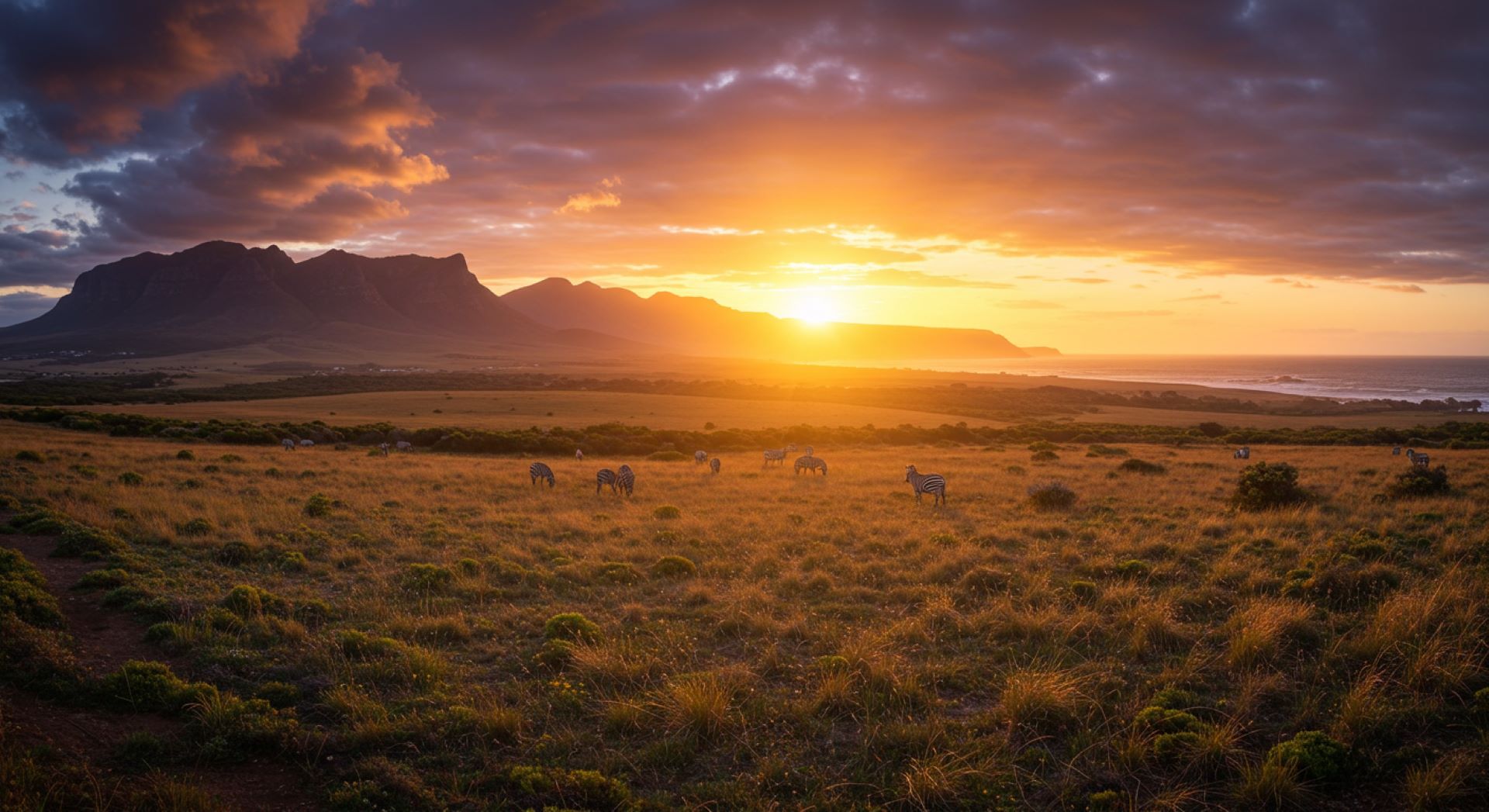
For the adventure seeker, the Eastern Cape is a veritable playground of natural marvels and adrenaline-pumping activities. The region’s diverse terrain supports a wide range of outdoor pursuits that cater to both seasoned explorers and casual travelers. Hiking enthusiasts can traverse the winding trails of the Amathole Mountains, where panoramic views, challenging ascents, and serene natural pools provide an invigorating escape from everyday life. These trails often lead to breathtaking vistas that reward hikers with sweeping panoramas of rolling hills and distant coastlines.
Surfing, too, has found a passionate following along the Eastern Cape’s Wild Coast. Here, the powerful Atlantic swells create ideal conditions for surfers of all skill levels, while the unspoiled beaches offer a more intimate and less commercialized alternative to crowded tourist spots. Local surf schools and guided tours help novices catch their first wave, ensuring that the spirit of adventure is accessible to all. Whether it is the thrill of riding a wave or the tranquility of a secluded beach, the coastal regions of the Eastern Cape never cease to amaze.
Wildlife safaris offer another dimension to the adventure experience. In areas like the Addo Elephant National Park, guided game drives provide an up-close look at the region’s impressive fauna. Whether encountering a family of elephants or spotting elusive predators in the wild, each safari promises moments of wonder and reflection. Many tours also incorporate cultural narratives, explaining how local traditions and conservation efforts interweave to protect these natural treasures.
For those seeking a blend of physical challenge and natural beauty, the Tsitsa Falls and the Amathole Trail stand out as premier destinations. The Tsitsa Falls, with its cascading torrents and surrounding lush vegetation, offer both a visual spectacle and a refreshing retreat from the heat. Meanwhile, the Amathole Trail winds through some of the most picturesque landscapes in the region, with sections dedicated to both hiking and mountain biking. These trails are meticulously maintained, providing safe yet challenging routes for outdoor enthusiasts.
Eco-tourism has also emerged as a significant aspect of adventure in the Eastern Cape. Several locally run initiatives focus on sustainable travel, ensuring that the natural environment is preserved while offering visitors an authentic experience of the region. From community-led hiking tours to eco-friendly lodges that operate on green energy, these initiatives highlight the region’s commitment to balancing adventure with conservation. Travelers are encouraged to engage with local guides who not only share insider knowledge of hidden gems but also promote practices that respect the delicate ecosystems of the Eastern Cape.
In essence, adventure in the Eastern Cape is not just about the thrill of discovery—it is about engaging with nature in a responsible and enriching way. The region offers countless opportunities for those willing to step off the beaten path and immerse themselves in an environment that is as diverse as it is dramatic. Each outdoor activity is a doorway to new experiences, a chance to connect with both the natural world and the resilient communities that call this remarkable part of South Africa home.
Local Cuisine and Hospitality
The culinary landscape of the Eastern Cape is as diverse and vibrant as its natural and cultural heritage. Local cuisine is a rich fusion of indigenous ingredients, traditional cooking methods, and colonial influences that together create a unique gastronomic identity. Signature dishes often feature locally sourced produce—from succulent game meats and freshly caught seafood to aromatic spices and nutrient-rich vegetables. These ingredients are transformed into hearty stews, savory pies, and spiced delicacies that reflect the region’s commitment to both flavor and tradition.
Marketplaces and small family-run eateries are scattered throughout the Eastern Cape, offering travelers an authentic taste of local life. In bustling town centers and remote villages alike, street vendors and market stalls serve up traditional dishes that have been perfected over generations. Visitors can sample classics such as umngqusho—a dish of samp and beans cherished for its comforting taste—or indulge in freshly baked treats that showcase the culinary heritage of the region. These vibrant food hubs are not just places to dine; they are social centers where locals gather, exchange stories, and celebrate their shared culture.
Hospitality in the Eastern Cape extends far beyond its food. The warmth of the local communities is evident in every interaction, whether in upscale lodges, boutique guesthouses, or backpacker hostels that dot the countryside. Many establishments have preserved historical architecture while incorporating modern comforts, offering guests a unique blend of old-world charm and contemporary convenience. Personal touches—from locally sourced breakfast spreads to community-run tours—ensure that every visitor feels welcomed and valued.
In addition to traditional fare, many chefs in the region are reinterpreting classic recipes with a modern twist. This innovative approach has led to a burgeoning culinary scene where fusion restaurants sit alongside age-old bistros, creating an exciting dynamic that celebrates both heritage and creativity. The emphasis on sustainability is also evident in the local food culture, with many eateries sourcing their ingredients from organic farms and supporting local producers. This not only guarantees freshness and quality but also reinforces the region’s commitment to environmental stewardship.
Travelers seeking an immersive cultural experience are often encouraged to join cooking classes and food tours that provide insights into the Eastern Cape’s culinary traditions. These activities offer a behind-the-scenes look at how local dishes are prepared and the cultural significance behind them, fostering a deeper appreciation for the region’s gastronomic legacy. Whether you’re a dedicated foodie or simply looking to enjoy a hearty meal in a welcoming setting, the Eastern Cape offers culinary adventures that are as memorable as they are delicious.
Challenges and Opportunities
Despite its abundant natural and cultural treasures, the Eastern Cape faces a range of challenges that temper its potential as a premier tourist destination. Economic development in many parts of the region has been hampered by infrastructural constraints and resource limitations. Rural communities, in particular, often struggle with access to essential services and modern amenities, which in turn affects tourism development and local business growth. Environmental concerns—such as habitat fragmentation, water scarcity, and the impacts of climate change—add another layer of complexity to managing the region’s natural resources sustainably.
Yet within these challenges lie significant opportunities for growth and transformation. There is a burgeoning movement among local governments, community groups, and private enterprises to harness sustainable practices that foster economic development while preserving the environment. Investment in eco-tourism, for instance, has the potential to drive economic growth by attracting visitors interested in responsible travel and nature conservation. Initiatives that promote renewable energy, waste reduction, and community-based conservation projects are slowly but steadily reshaping the region’s developmental landscape.
Furthermore, the rich cultural heritage of the Eastern Cape presents unique prospects for educational and heritage tourism. Museums, cultural centers, and heritage trails are increasingly being recognized as valuable assets that not only preserve history but also provide economic benefits through tourism. Collaborative projects between local communities and international partners are helping to fund infrastructure improvements, enhance educational programs, and develop marketing strategies that shine a light on the Eastern Cape’s hidden gems.
In many respects, the challenges facing the region have catalyzed innovative solutions and renewed commitment to sustainable practices. Community-led conservation projects and social enterprises are emerging as key drivers of change, demonstrating that with strategic planning and investment, the Eastern Cape can balance growth with the preservation of its natural and cultural wealth. These initiatives offer a blueprint for how other regions might navigate the delicate interplay between development and environmental stewardship—a model that is increasingly relevant in today’s global landscape.
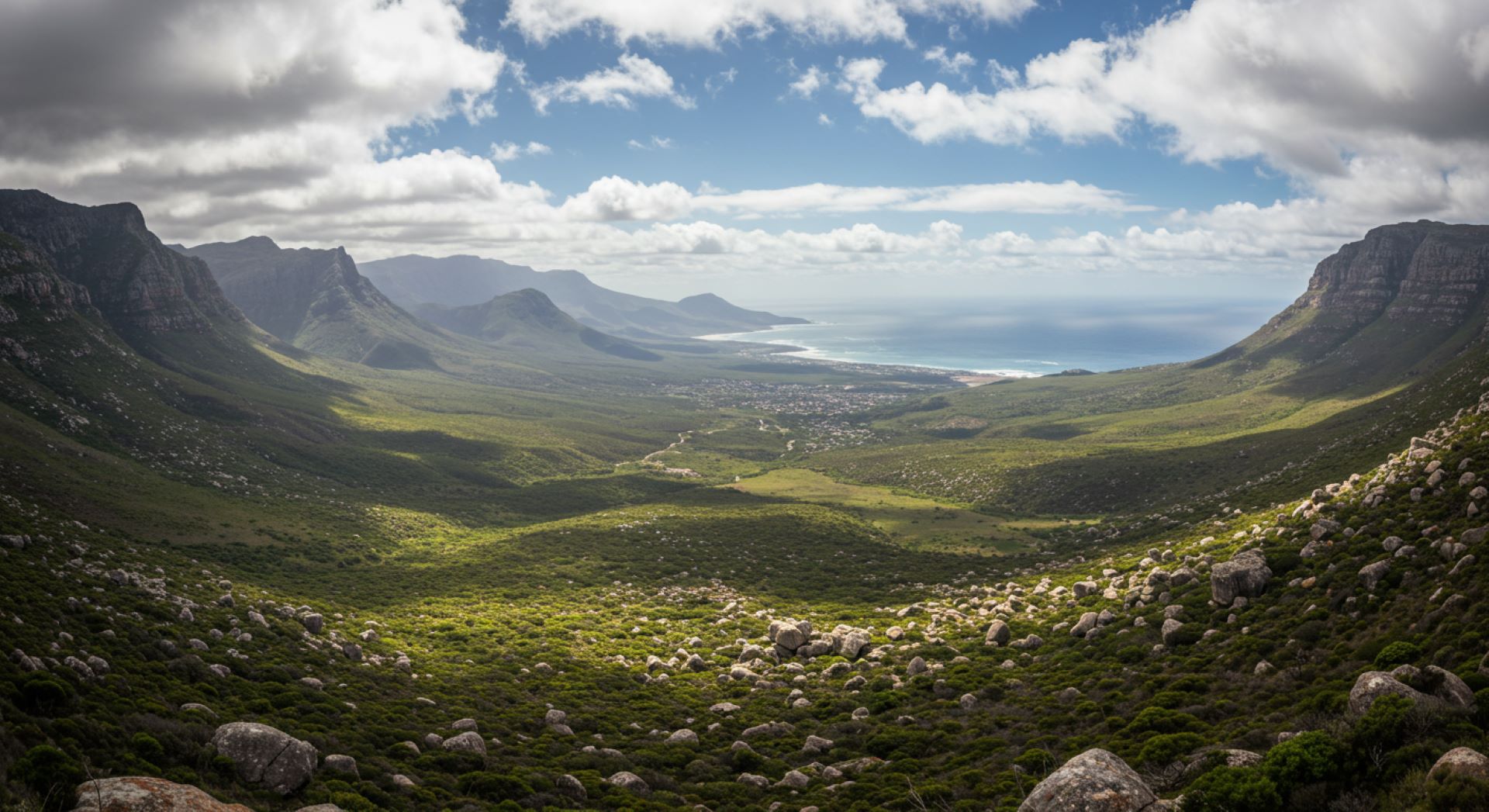
The Eastern Cape is a realm of contrasts and possibilities—a land where uncharted beauty meets a rich tapestry of biodiversity and cultural heritage. Through its diverse landscapes, thriving wildlife, storied history, and vibrant culinary scene, the region offers a multifaceted experience that appeals to explorers, historians, nature lovers, and adventurers alike. Its pristine coastlines, rugged mountains, and lush forests are not merely scenic backdrops but active participants in a story of resilience, tradition, and transformation.
As we have journeyed through the Eastern Cape—from its captivating geography and thriving ecosystems to its deep cultural roots and adventurous spirit—it becomes clear that this region is much more than a travel destination. It is a living, breathing narrative of nature’s splendor and human ingenuity. In facing challenges and seizing opportunities, the Eastern Cape is paving the way for a future where sustainable development and conservation go hand in hand. For travelers seeking an experience that is both inspiring and enriching, the Eastern Cape offers an invitation to explore, discover, and contribute to a legacy that is as enduring as it is beautiful.
Whether you are planning a leisurely escape or an immersive adventure, consider the Eastern Cape not only as a destination but as an opportunity—a chance to witness the convergence of nature, culture, and history in one of South Africa’s most compelling regions. Let the untamed beauty and resilient spirit of the Eastern Cape inspire your next journey, and join in a shared commitment to preserving its wonders for generations to come.
Gerald Ferreira
Reporting from the frontlines of the South African tourism renaissance. Bridging the gap between regional stories and global audiences through elite narrative strategy.