

South Africa’s urban landscape is alive with rhythm, colour, and energy. Beyond the towering skyline and the pulse of commerce, cities like Johannesburg, Cape Town, and Durban are throbbing epicentres of creativity, where the streets themselves are canvases and every alley hums with music. These urban hubs are more than cultural destinations—they are arenas where brands can engage with communities in ways that resonate deeply, offering automotive marketers an opportunity to connect with consumers through experiences that feel authentic rather than transactional.
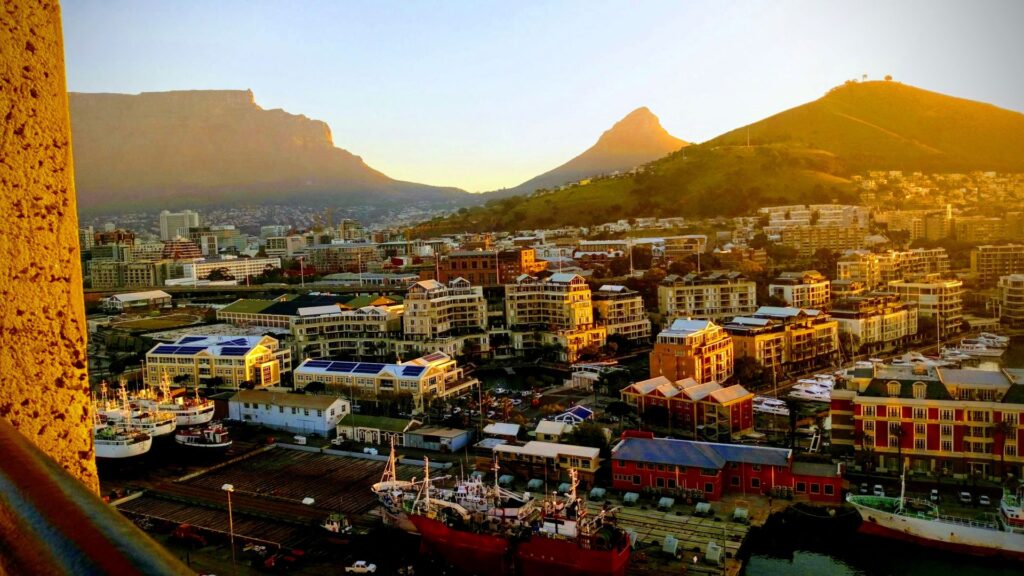
Johannesburg: Where Art Meets Ambition
Johannesburg, or Jozi as it’s affectionately known, is a city that thrives on contrasts. Once a mining town, it has transformed into the beating heart of South Africa’s creative economy. Street art is omnipresent here; murals by local and international artists adorn warehouses, alleyways, and even corporate headquarters, turning the city into a sprawling open-air gallery. From the politically charged work in Maboneng to the vibrant murals of Braamfontein, Jozi’s streets narrate stories of struggle, triumph, and identity.
The city’s music scene is equally dynamic. Jazz lounges, underground hip-hop venues, and electronic music festivals create a sonic map of urban life. Brands seeking to engage with the Johannesburg audience often integrate themselves into this vibrant cultural fabric. Experiential automotive activations, such as pop-up showcases at music festivals or limited-edition car collaborations with street artists, tap into the city’s appetite for the extraordinary, aligning products with lifestyle and identity.
Local markets like the Neighbourgoods Market offer a sensory immersion into Johannesburg’s entrepreneurial spirit. Here, artisanal crafts, gourmet street food, and handcrafted goods mingle with live performances, offering brands a platform to engage consumers through multi-sensory experiences. Automotive marketers have found innovative ways to participate, hosting curated driving experiences or displaying vehicles as art pieces themselves, inviting potential buyers to interact with products in an environment that celebrates creativity and community.
Nightlife in Johannesburg is the pulse of the city’s energy. From rooftop bars in Sandton to underground clubs in Newtown, the city never sleeps. Automotive brands leveraging nightlife events can create exclusive, invitation-only showcases or partner with high-profile DJs to fuse music, lifestyle, and brand storytelling, delivering memorable impressions that linger long after the night ends.
Cape Town: Coastal Creativity and Cultural Collisions
Cape Town’s allure extends beyond its postcard-perfect landscapes; it’s a city where heritage and modernity collide, where Bo-Kaap’s kaleidoscopic houses meet the avant-garde galleries of Woodstock. Street art here tells nuanced tales, balancing social commentary with aesthetic boldness. District Six murals, commissioned projects along the Foreshore, and spontaneous alleyway graffiti form a visual dialogue between the city’s past and its evolving identity.
Music flows through Cape Town like the ocean breeze. Live jazz at intimate venues, Afrobeat-inspired street performances, and electronic music festivals during summer transform public spaces into stages. Automotive marketers benefit from this cultural fluidity by sponsoring music events that align with their brand ethos, using sound and movement to communicate the essence of a vehicle—its power, sophistication, or cutting-edge design—in a way that words alone cannot.
Markets like the Oranjezicht City Farm Market or the Bay Harbour Market in Hout Bay are not just transactional spaces—they are hubs of creativity and community engagement. Showcasing vehicles in these settings, paired with curated art installations or interactive workshops, allows automotive brands to bridge the gap between product and lifestyle. Potential buyers are not merely observing a car; they are participating in an experience that mirrors the city’s own energy and authenticity.
Cape Town’s nightlife, from the vibrant Long Street clubs to intimate jazz lounges, reflects the city’s duality: cosmopolitan yet deeply rooted in culture. Automotive activations here often take the form of exclusive launch events that fuse design, music, and gastronomy, offering guests an experiential taste of a brand’s personality and creating lasting emotional connections that transcend traditional advertising.
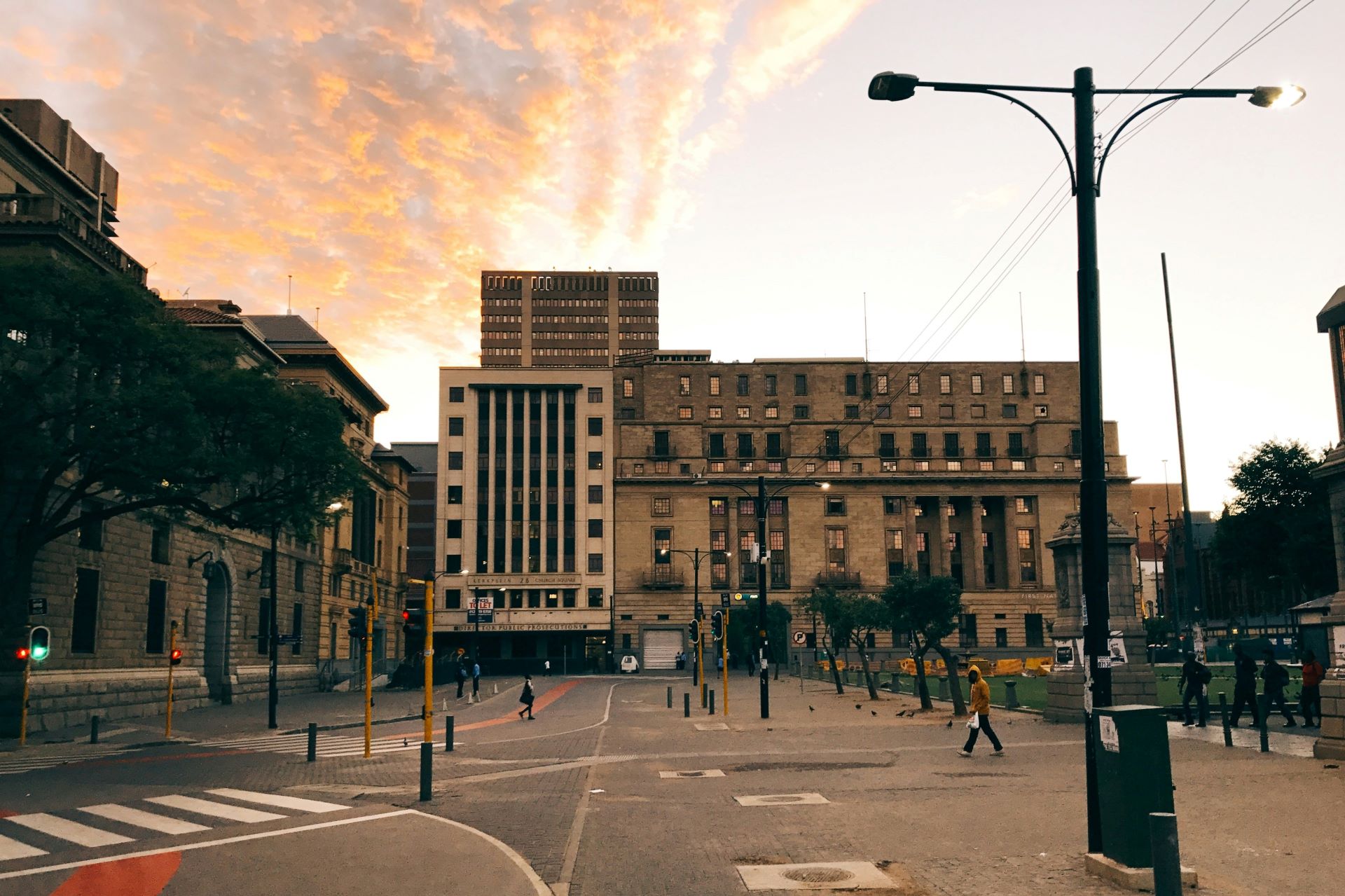
Durban: Rhythm, Colour, and Coastal Cool
Durban’s creative pulse is inseparable from its coastal identity. The city’s street art scene may not be as internationally acclaimed as Johannesburg or Cape Town, but it thrives in pockets where local artists transform industrial walls and public spaces into canvases bursting with colour. These murals often pay homage to the city’s rich cultural tapestry, reflecting Zulu heritage, Indian Ocean influences, and contemporary urban life.
Durban’s music scene is intrinsically linked to its beach culture. Kwaito, house music, and reggae festivals draw diverse audiences who move with the city’s rhythm. Automotive marketers can tap into this energy by sponsoring beachside music festivals or immersive driving experiences along the coastline, linking the exhilaration of the city’s music and lifestyle with the sensory pleasure of a vehicle’s performance.
Local markets, from the Victoria Street Market to the Eastern Market, are microcosms of Durban’s creativity. Here, brands can connect with audiences through storytelling that blends the tactile and the visual, whether it’s through interactive installations, product demos, or partnerships with local artisans. Automotive marketing that embraces these creative spaces positions vehicles not merely as commodities but as lifestyle extensions, rooted in the textures, tastes, and sounds of the city.
Durban’s nightlife is infused with the warmth of its coastal climate. Beach bars, rooftop terraces, and vibrant clubs create a relaxed yet energetic atmosphere. Automotive activations that integrate seamlessly into these spaces, whether through branded pop-up lounges or experiential showcases, can transform a night out into a memorable brand encounter, aligning lifestyle aspirations with product experience.
Urban Culture as a Vehicle for Brand Storytelling
Across Johannesburg, Cape Town, and Durban, one theme is clear: urban culture is a potent narrative tool. For automotive marketers, the cities’ creative hubs offer more than just locations—they provide ecosystems where stories, experiences, and communities converge. By embedding vehicles into the rhythms of street art, music, markets, and nightlife, brands create organic touchpoints that resonate with consumers on a personal level.
Street art collaborations, music sponsorships, market activations, and nightlife experiences are all pathways for brands to demonstrate authenticity. Vehicles become symbols within these creative ecosystems, whether as rolling canvases, musical companions, or lifestyle statements. In a marketplace saturated with traditional advertising, these engagements offer memorable, immersive experiences that are difficult to replicate through conventional channels.
Moreover, these urban hotspots serve as incubators of cultural influence. Early adopters, tastemakers, and creative communities in these cities shape broader consumer perceptions. Brands that understand the pulse of these environments—and contribute meaningfully rather than superficially—can position themselves as culturally literate and aspirational, embedding their products within the narrative of urban South African life.
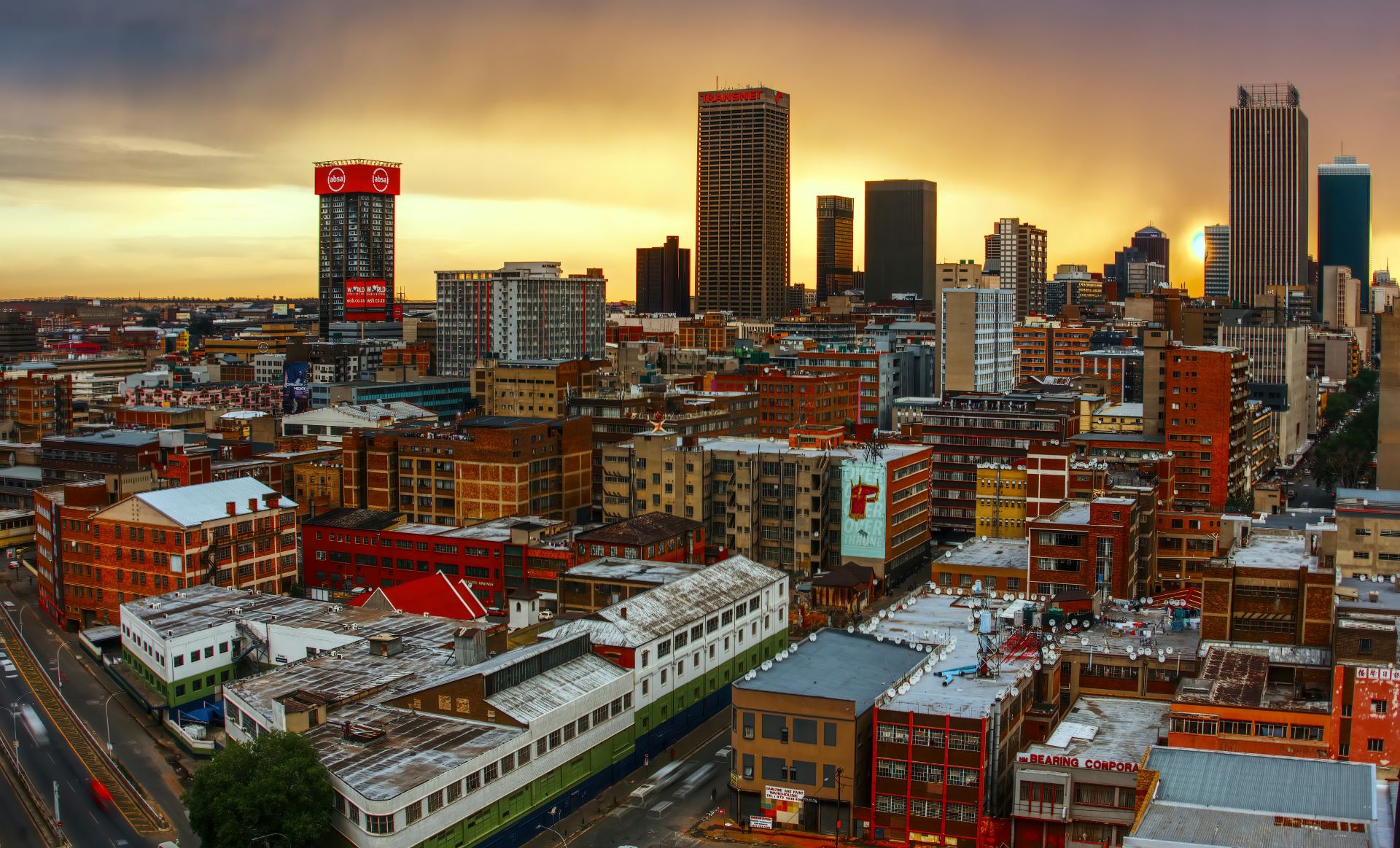
Driving Through Culture
South Africa’s cities are more than points on a map; they are living, breathing organisms, pulsing with creativity and expression. Johannesburg, Cape Town, and Durban each offer distinct urban identities, from the industrial-chic streets of Jozi to the coastal vibrancy of Durban and the heritage-rich artistry of Cape Town. Automotive marketing that harnesses these cultural currents moves beyond selling a product—it engages audiences through shared experiences, aesthetic resonance, and emotional storytelling.
By understanding and embracing the creative fabric of South African urban life, brands can drive connections that linger, creating cultural relevance that transcends the showroom. Street art, music, markets, and nightlife are not mere backdrops—they are integral elements of a city’s soul. Integrating vehicles into these ecosystems transforms them from inanimate objects into lifestyle icons, making the pulse of the city feel like the heartbeat of the brand itself.
Ronel Ferreira
Reporting from the frontlines of the South African tourism renaissance. Bridging the gap between regional stories and global audiences through elite narrative strategy.