

South Africa’s landscapes are a patchwork of contrasts, from the savannahs of Kruger and Limpopo to the jagged cliffs of the Wild Coast, the fynbos of the Western Cape, and the rolling grasslands of KwaZulu-Natal. But beyond the iconic scenery and Big Five safaris lies a different kind of adventure: volunteering holidays. These experiences merge travel with tangible environmental impact, allowing tourists to explore while contributing meaningfully to conservation and community initiatives.
For eco-conscious travellers, South Africa offers unparalleled opportunities. Rather than passive observation, visitors can actively participate in the protection and restoration of the land, its habitats, and its wildlife. From assisting in anti-poaching patrols to rehabilitating marine life or planting indigenous trees, volunteering holidays transform tourism into action.

Connecting Tourism with Conservation
Tourism has always been a double-edged sword. While it brings revenue, infrastructure, and awareness, it can also strain ecosystems if unmanaged. Volunteering holidays, often framed as eco-tourism, aim to reverse this impact. Instead of leaving behind footprints of consumption, tourists leave legacies of contribution.
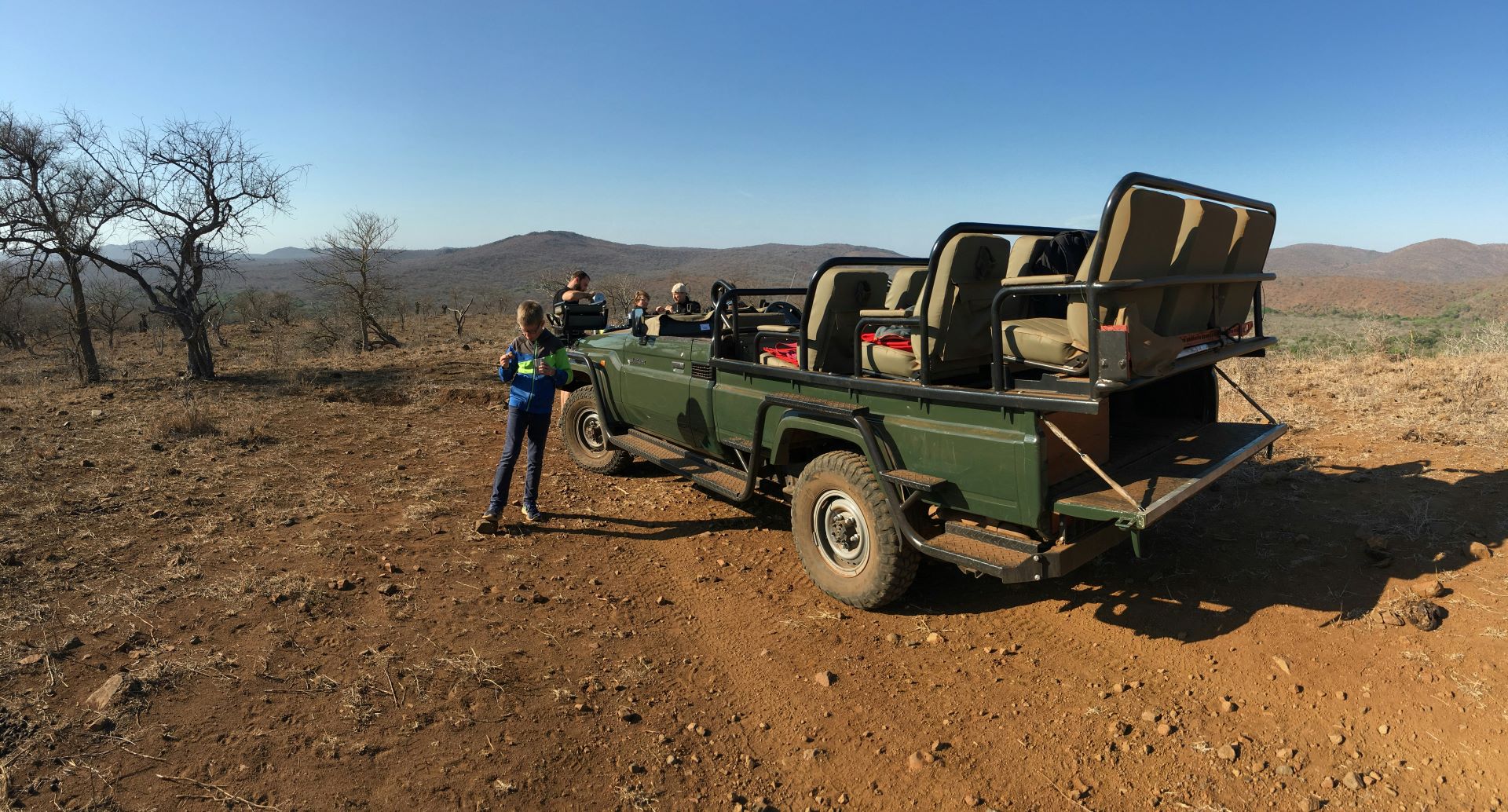
Eco-tourism in South Africa isn’t about sitting in a safari jeep snapping photos; it’s about understanding and safeguarding the delicate balance of nature. By participating in conservation programs, travellers gain an intimate view of the challenges faced by wildlife, forests, rivers, and coastal ecosystems. For example, monitoring endangered species, tracking poaching hotspots, or restoring degraded landscapes are not only physically engaging but also intellectually enriching. Visitors learn the “why” and “how” behind conservation measures, fostering a long-lasting sense of stewardship.
Moreover, volunteering holidays foster a meaningful connection with the places visited. Unlike traditional tourism, which can feel fleeting, active involvement leaves tourists emotionally invested in the regions and ecosystems they touch. Returning home, they carry stories, insights, and a sense of responsibility that extends far beyond the trip itself.
Wildlife Projects That Make a Difference
South Africa is globally renowned for its biodiversity. The Big Five—lions, leopards, elephants, rhinos, and buffalos—are only the tip of the ecological iceberg. Volunteering programs allow visitors to work with species that need active protection or rehabilitation.
In Limpopo and Mpumalanga, for instance, wildlife reserves offer opportunities to assist in rhino anti-poaching initiatives. Volunteers may help monitor rhino populations using GPS trackers, participate in patrols alongside rangers, or contribute to community outreach programs designed to reduce poaching incentives. Such programs provide insights into the operational challenges of conservation, revealing the intersection of wildlife management, law enforcement, and local community support.
Cheetah conservation initiatives in the Eastern Cape offer another immersive experience. Here, volunteers assist in monitoring cheetah movements, preparing enrichment exercises, and helping rehabilitate injured or orphaned animals. These projects demonstrate the complexity of predator conservation and the critical role humans play in ensuring survival for species on the brink.
Marine conservation also attracts eco-tourists, particularly along the Western Cape and KwaZulu-Natal coasts. Volunteers participate in beach clean-ups, help track endangered marine species such as turtles or dolphins, and sometimes assist in rescue operations. Each action contributes to the long-term health of coastal ecosystems, ensuring that both wildlife and local communities can thrive.
The beauty of these projects lies in their dual impact. Volunteers gain unparalleled experiences—feeding elephants at dawn, tracking wildlife on foot, or diving alongside endangered marine life—while their presence amplifies the effectiveness of conservation initiatives. For the animals and the ecosystems, every volunteer matters.
Environmental Initiatives: Protecting Habitats
Conservation in South Africa extends beyond charismatic wildlife. Ecosystems, forests, rivers, and coastal environments all require protection. Volunteers contribute to projects ranging from habitat restoration to sustainable farming practices.
In KwaZulu-Natal, reforestation projects in the Drakensberg Mountains combat soil erosion and restore indigenous flora. Volunteers help plant saplings, remove invasive species, and maintain trails for monitoring biodiversity recovery. These actions, while labor-intensive, are rewarding and tangible; the forest literally grows under your hands.
The Western Cape’s fynbos biome, renowned for its botanical diversity, faces pressures from urbanisation, invasive plants, and climate change. Volunteer programs here focus on ecological restoration, fire management, and education campaigns for local communities. Tourists learn to identify indigenous plant species, understand fire ecology, and appreciate the delicate balance that allows this unique vegetation to thrive.
Coastal projects also demand attention. Mangrove rehabilitation along estuaries, removal of plastic waste from beaches, and protection of nesting grounds for endangered turtles are some ways volunteers make a measurable impact. These environmental initiatives are often intertwined with community engagement, showing tourists that protecting nature is inseparable from empowering local populations.
Adventure as a Learning Experience
Volunteering holidays in South Africa combine hard work with adventure. Fieldwork often takes place in stunning, remote landscapes, giving tourists the chance to explore regions inaccessible to ordinary travelers. Trekking through the savannah while tracking wildlife, hiking in national parks, or canoeing along pristine rivers allows volunteers to witness ecosystems in their rawest form.
Every day presents a blend of physical activity and intellectual engagement. Collecting wildlife data, conducting biodiversity surveys, or monitoring ecosystems requires focus, problem-solving, and a willingness to adapt to unpredictable conditions. The adventure is not only in the scenery but in the work itself—the satisfaction of seeing your efforts contribute to real conservation outcomes.
Volunteers also benefit from structured learning. Many programs include workshops led by ecologists, marine biologists, or community leaders. These sessions cover the science behind conservation, current threats to species and habitats, and strategies for sustainable development. Tourists emerge with skills and knowledge applicable long after their holiday ends.
Cultural Immersion and Community Impact
Volunteering holidays are not just about the environment—they’re about people. Many programs partner with local communities, offering tourists the chance to engage with residents, understand cultural traditions, and participate in community-driven projects.
For instance, in the Eastern Cape, volunteers may assist with eco-friendly agriculture, educational outreach, or infrastructure projects that improve local livelihoods while supporting environmental sustainability. Learning from communities whose lives are closely intertwined with the land provides perspective on the challenges of balancing development with conservation.
Cultural immersion deepens the volunteer experience. Sharing meals, participating in local rituals, or learning traditional conservation practices allows tourists to connect with the human dimension of environmental stewardship. These encounters foster empathy and a sense of shared responsibility for the land, its people, and its wildlife.
Choosing the Right Volunteering Experience
Not all programs are created equal. Prospective volunteers must evaluate projects carefully, prioritizing ethical practices, sustainability, and transparency. Reputable programs will focus on genuine conservation outcomes, respect for animal welfare, and meaningful community involvement.
The ideal experience balances physical work, educational opportunities, and adventure. Tourists should expect hands-on participation, but also guidance from experts and insights into broader ecological and social contexts. Programs vary in length, intensity, and specialization, allowing volunteers to select opportunities aligned with their interests and abilities.
Preparation is essential. Volunteers should understand the physical demands, logistical requirements, and cultural nuances of their chosen project. Awareness of climate conditions, safety protocols, and personal responsibilities ensures that the experience is both rewarding and respectful to host communities and ecosystems.
The Long-Term Impact of Volunteering Holidays
The benefits of volunteering holidays extend well beyond the duration of the trip. Volunteers return home with practical skills, heightened ecological awareness, and stories that inspire others. Many continue to support conservation efforts through advocacy, donations, or future engagement in environmental initiatives.
For wildlife, each volunteer represents manpower, funding, and visibility. Programs can expand their reach and effectiveness when tourists contribute their time and energy. Over the long term, these initiatives help stabilize endangered populations, restore degraded habitats, and promote sustainable interactions between humans and nature.
Volunteering holidays also encourage personal growth. Facing challenges, working in unfamiliar environments, and witnessing the fragility and resilience of ecosystems fosters resilience, adaptability, and empathy. For eco-tourists seeking transformative experiences, the combination of adventure, learning, and purpose is unmatched.
Regional Highlights: A Snapshot of South African Volunteering
Kruger National Park and Surrounding Reserves: Anti-poaching, rhino conservation, biodiversity monitoring, community engagement. Volunteers can track wildlife, participate in patrols, and assist with veterinary care.
Eastern Cape: Predator rehabilitation (cheetahs, lions), marine conservation, environmental education, community support projects. Activities include data collection, habitat restoration, and coastal clean-ups.
KwaZulu-Natal: Forest restoration, environmental education, sustainable agriculture, community development. Volunteers plant trees, remove invasive species, and support local conservation initiatives.
Western Cape: Fynbos restoration, fire management, marine wildlife monitoring, sustainable farming. Participants engage in hands-on ecological work while learning about unique biomes and coastal conservation.
Limpopo and Mpumalanga: Rhino conservation, elephant monitoring, biodiversity research, community outreach. Volunteers contribute to anti-poaching measures, animal welfare, and habitat management.
By exploring these regions through volunteering, tourists witness the diversity of South African landscapes, wildlife, and cultural traditions while leaving a meaningful impact.
Combining Adventure, Education, and Purpose
Volunteering holidays redefine the meaning of travel. Adventure is enriched by education, and recreation is amplified by purpose. Every hike, dive, or field task carries weight; every effort contributes to sustaining ecosystems and communities. Tourists are not mere spectators—they become active participants in shaping the future of South Africa’s landscapes and wildlife.
Eco-tourism with purpose transforms the holiday into a journey of discovery, responsibility, and impact. Participants leave with memories, friendships, and a sense of agency. More importantly, they help ensure that South Africa’s natural treasures are preserved for generations to come.
South Africa’s volunteering holidays demonstrate how travel can be a force for good. Tourists explore, learn, and contribute simultaneously, merging adventure with environmental and community impact. By choosing ethical, sustainable programs, travellers help safeguard wildlife, restore ecosystems, and empower local communities.
For those seeking more than sightseeing, volunteering holidays offer transformative experiences. Every footprint left in the sand, every tree planted, every animal monitored is a tangible contribution to conservation. South Africa’s landscapes, wildlife, and people benefit, and so do the volunteers themselves, who gain purpose, knowledge, and connection.
Adventure and conservation go hand-in-hand. By engaging with both, eco-tourists create a legacy that extends far beyond the boundaries of their holiday, leaving a mark not just on South Africa, but on the world’s understanding of responsible tourism.
Elisha Roodt
Reporting from the frontlines of the South African tourism renaissance. Bridging the gap between regional stories and global audiences through elite narrative strategy.