

South Africa is a country that tastes as vibrant as it looks. From the sun-kissed vineyards of the Western Cape to the bustling streets of Johannesburg, culinary adventurers are invited to explore a mosaic of flavors, where age-old traditions meet contemporary gastronomy. This is more than a journey—it’s a feast for the senses, a tour that traces the heart of South Africa through the plates its people love.
Cape Town: Fusion of Flavors by the Ocean
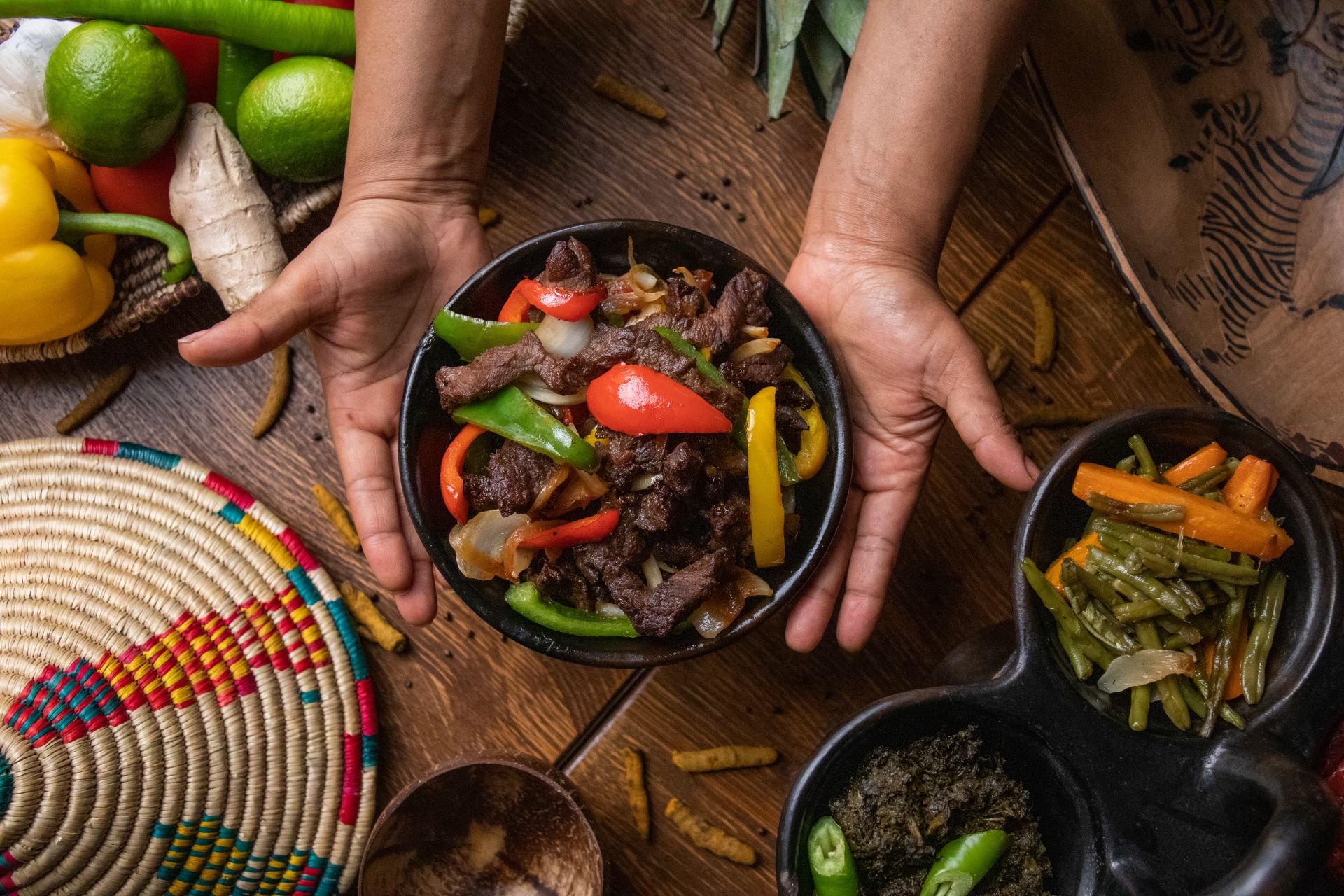
Cape Town isn’t just famous for its dramatic Table Mountain backdrop. The city’s culinary scene is a rich tapestry of cultural influences, from Dutch and Malay to modern international trends. For street-food lovers, the vibrant food markets like the Oranjezicht City Farm Market serve up everything from freshly baked sourdough bread to Cape Malay curries. Small cafés tucked into Bo-Kaap’s colourful streets offer dishes spiced with turmeric and cinnamon, revealing the city’s deep Malay heritage.
For a more refined experience, the V&A Waterfront hosts an array of restaurants where chefs reinterpret traditional South African dishes with contemporary flair. Here, seafood is king. Platters of line-caught fish, mussels, and calamari arrive fresh from the Atlantic, paired with crisp South African wines from nearby vineyards. Fine dining in Cape Town blends the rustic with the sophisticated: think hearty bobotie served with artful plating, or Cape Malay desserts elevated with inventive textures and spices.
The Winelands: A Feast Among the Vines
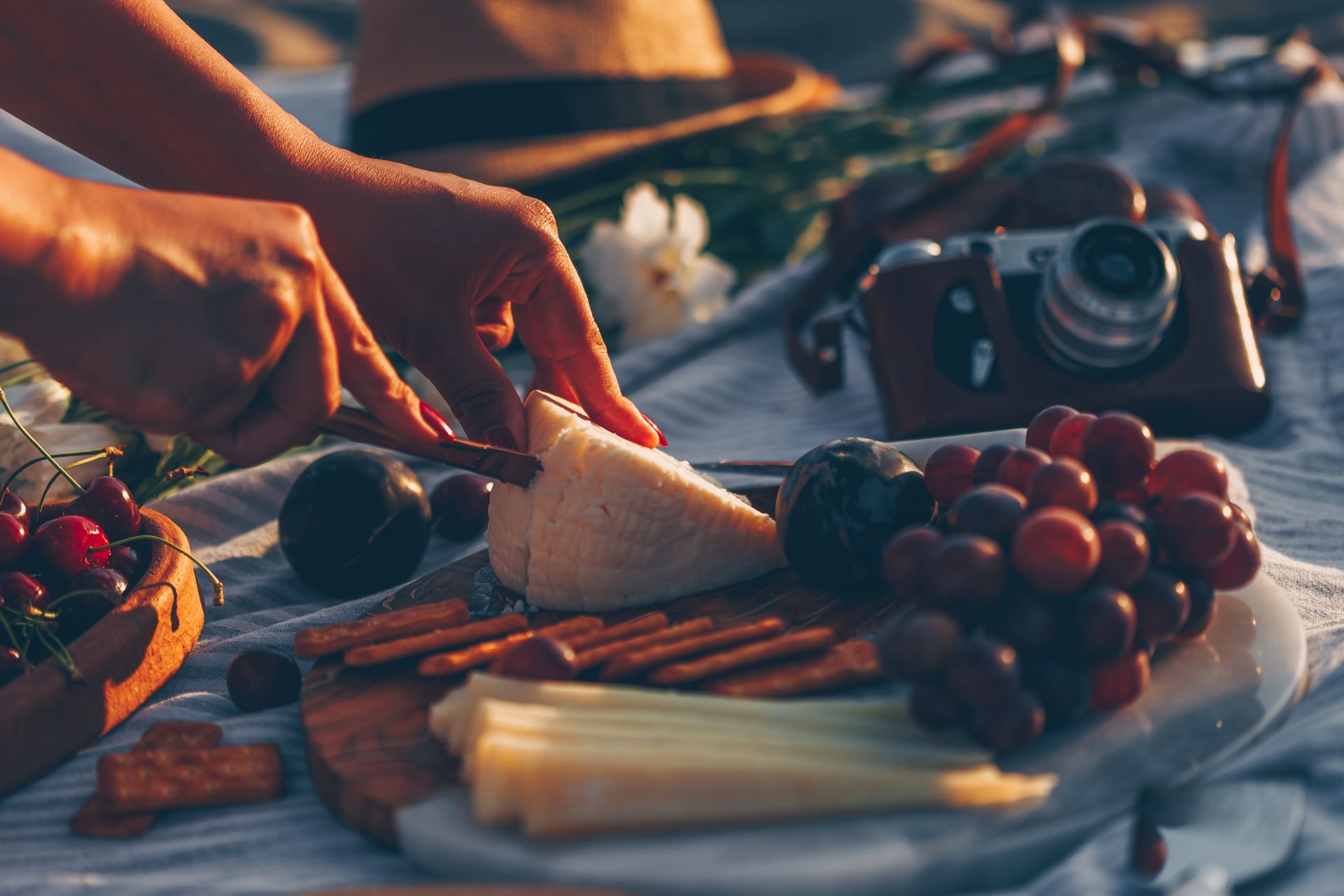
Just an hour from Cape Town lies the Cape Winelands, a region as rich in flavor as it is in history. Stellenbosch, Franschhoek, and Paarl are renowned for their wine estates, many of which combine tasting rooms with exceptional culinary experiences. Visitors can follow curated tasting trails where award-winning wines are paired with artisanal cheeses, fresh-baked breads, and dishes prepared with seasonal local produce.
Franschhoek, often dubbed South Africa’s food capital, offers a journey through French-inspired cuisine with a distinctly local twist. Farm-to-table restaurants highlight indigenous ingredients like rooibos, buchu, and wild herbs, presenting them in both traditional recipes and modern interpretations. Here, a leisurely lunch with mountain views can feel like a pilgrimage for the palate.
Johannesburg and Pretoria: Urban Flavors, Cultural Layers
The Gauteng province is a playground for culinary adventurers, where every neighbourhood tells a story through food. In Johannesburg, markets such as Neighbourgoods Market offer an array of street eats: sizzling bunny chow, boerewors rolls, and gourmet spins on local delicacies. The city’s restaurants explore pan-African influences, blending flavors from Mozambique, Zimbabwe, and beyond into rich, imaginative dishes.
Pretoria, meanwhile, invites visitors to discover heritage foods. Local eateries champion traditional stews, grilled meats, and freshly baked potbrood served with tomato and onion relish. Cultural tours often combine history and food, guiding travellers through township cuisine experiences that highlight both the ingenuity and resilience of local chefs.
KwaZulu-Natal: Coastal Curries and Rural Traditions
KwaZulu-Natal offers a culinary experience where the Indian Ocean meets African tradition. Durban, a coastal hub, is celebrated for its spicy curries and iconic bunny chow—hollowed-out bread filled with rich, aromatic curry. Street vendors and local cafés serve this comfort food alongside samosas and freshly squeezed sugarcane juice, creating a sensory overload that lingers in memory long after the last bite.
In the hinterlands, Zulu cuisine emphasizes hearty, communal meals. Dishes featuring maize meal, locally sourced vegetables, and slow-cooked meats reflect generations of tradition, often enjoyed with a side of storytelling. Culinary tours in this region often include visits to local farms and craft breweries, providing a full-circle experience of production, preparation, and presentation.
The Eastern Cape and Garden Route: Coastal Harvests
The Eastern Cape, with its pristine beaches and lush landscapes, offers a seafood lover’s dream. Port Elizabeth and Knysna are famous for oysters, crayfish, and freshly caught line fish. Local markets brim with artisanal jams, preserves, and homemade biltong, offering travelers a taste of rural life alongside coastal delights.
The Garden Route itself is a culinary corridor, connecting small towns and coastal villages where guesthouses and boutique restaurants present dishes that celebrate local ingredients. Think wild mushrooms from indigenous forests, farm-fresh cheeses, and freshly baked bread infused with herbs from nearby gardens. Along the route, food festivals and wine tastings provide spontaneous opportunities to immerse oneself in regional flavors.
Northern Provinces: Indigenous Flavors and Wild Inspirations
Venture into Limpopo, Mpumalanga, and North West, and the culinary experience shifts toward indigenous ingredients and game-based cuisine. The Limpopo Lowveld is known for tropical fruits, wild herbs, and dishes that highlight bushveld game meats. Mpumalanga’s food culture is steeped in heritage, offering traditional stews, maize-based porridge, and grilled meats often enjoyed in open-air settings that echo ancestral practices.
For the adventurous foodie, local cooking classes and farm stays provide hands-on experiences, from harvesting ingredients to mastering traditional techniques. This part of South Africa reminds travelers that culinary exploration is as much about culture as it is about taste.
Practical Travel Tips for Food Lovers
South Africa’s culinary diversity is best experienced with a flexible itinerary that blends street food, markets, and fine dining. Seasonal festivals, vineyard tours, and township food experiences provide layers of authenticity. Local guides often offer insider knowledge on hidden gems, ensuring travelers discover both established favorites and under-the-radar spots.
When planning a journey, consider the rhythm of each region. Cape Town and the Winelands thrive on leisurely exploration, while Gauteng’s urban culinary scene rewards curiosity and spontaneity. Coastal regions are best visited with a palate ready for seafood and spicy delights, whereas the northern provinces invite immersion in local traditions and game-focused dishes.
A Culinary Journey to Remember
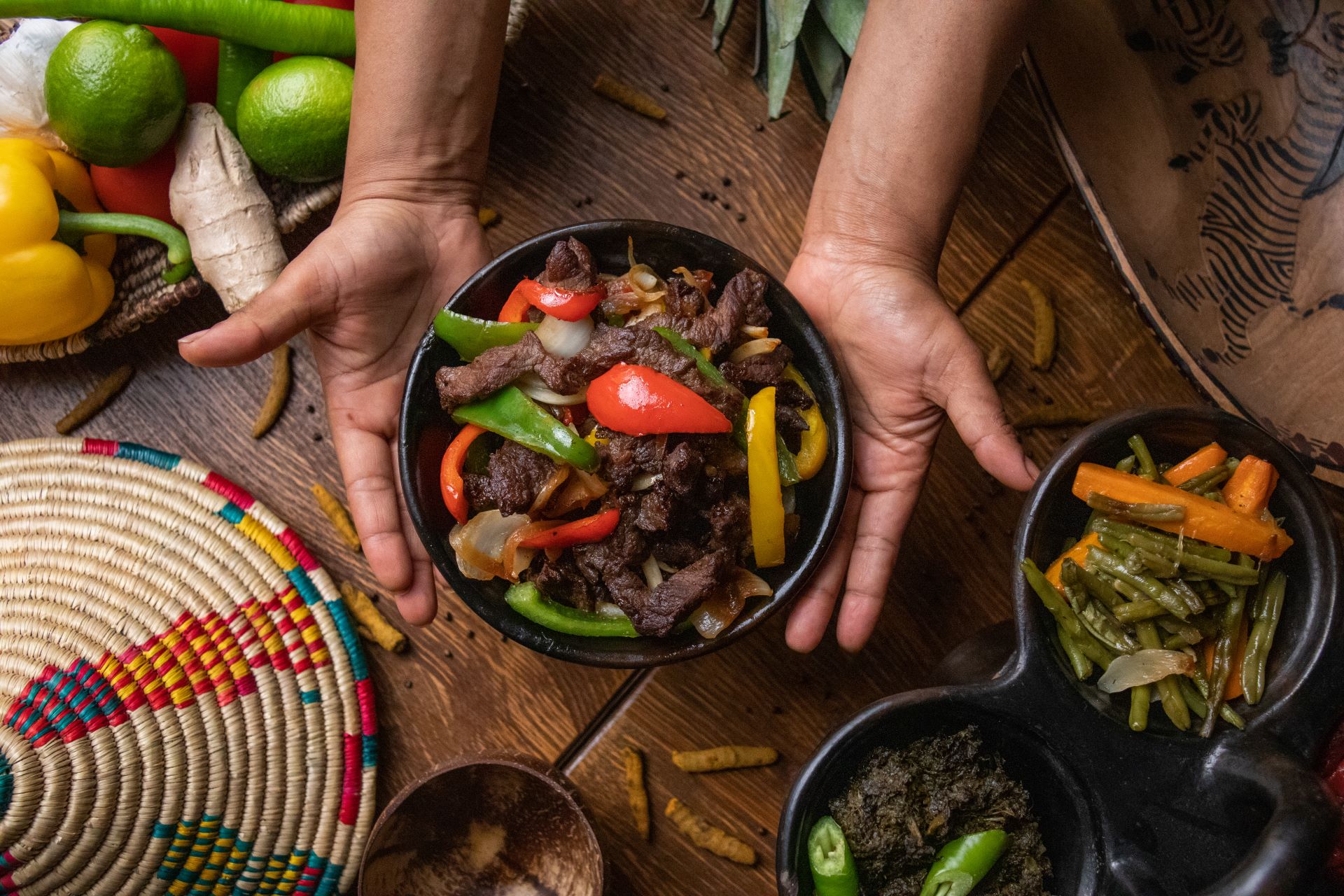
South Africa’s culinary landscape is vast, complex, and endlessly rewarding. From markets that bustle with energy to elegant restaurants that reinterpret tradition, every bite tells a story. For food lovers, the country is not just a destination—it’s an experience that awakens the senses, celebrates cultural diversity, and leaves travelers craving more with every journey.
Whether savoring a fiery Durban curry, a Cape Malay bobotie, or a perfectly grilled Karoo lamb chop, one thing is certain: South Africa is a feast waiting to be explored, one unforgettable flavor at a time.
Mandla Ndlovu
Reporting from the frontlines of the South African tourism renaissance. Bridging the gap between regional stories and global audiences through elite narrative strategy.